Online Platform Design and Development for Businesses
Basic websites and off-the-shelf tools may not fit complex business needs. Explore custom platform options built around your requirements.
Trusted by large companies worldwide













Introduction
What Is Online Platform Development?
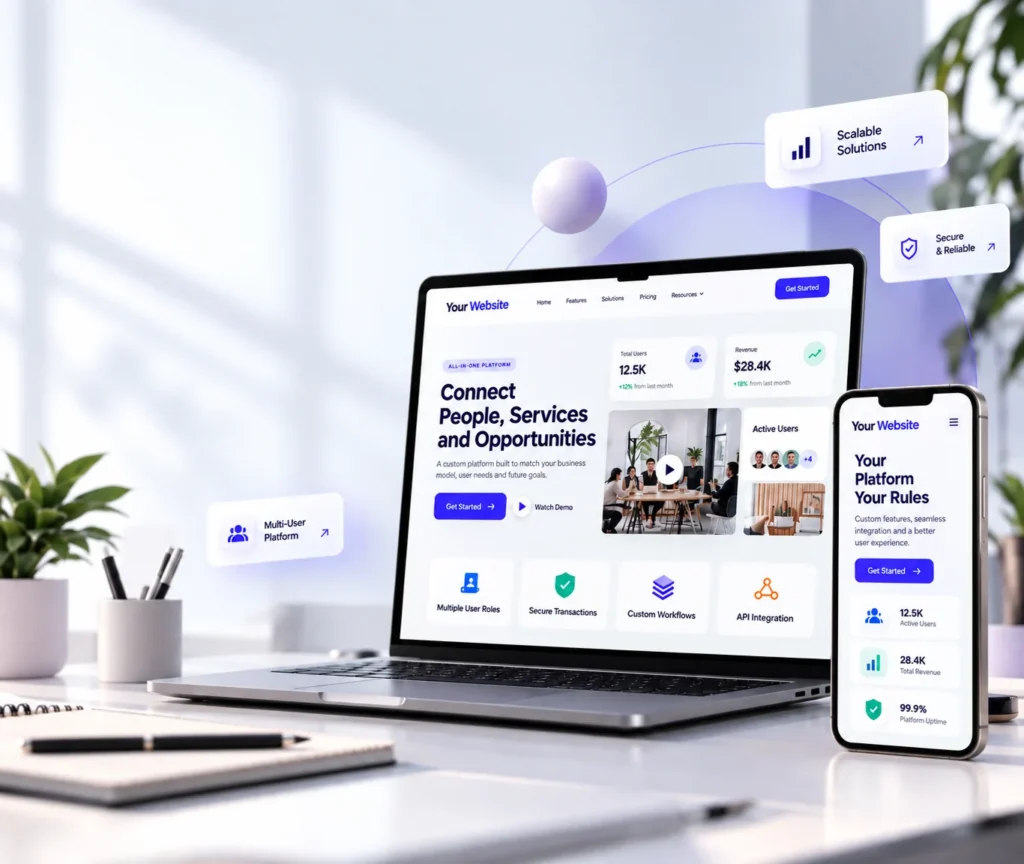
Online platform development creates web-based systems with accounts, dashboards, transactions, or shared services. Unlike a basic website, a platform supports business rules, roles, and workflows.
Flexibility
Usability
Integration
Our Capabilities
- Platform Requirements Planning
- Platform UI/UX Design
- Website Interface Design
- Custom Platform Development
- User Roles and Permissions
- API and Third-Party Integration

Service Overview
Custom Platforms Built Around Business Needs
A platform must do more than display information. Its structure, interface, and functionality should support how your business operates and how users access its services.
01
What Does Platform Development Include?
Online platform development services can involve interface design, user experiences, custom functionality, and connections between systems. The exact scope depends on your business model, user requirements, and technical needs. Defining these needs helps establish what the project should cover.
02
Why Does a Business Need a Custom Platform?
Standard websites and ready-made tools may not support specialized workflows, multiple user roles, or complex business rules. Custom online platform development can address these requirements when existing solutions no longer fit. The decision should account for project scope, ongoing costs, and future needs.
03
How Does Online Platform Development Work?
Online platform website development brings user experience, visual design, and technical functionality together. UI/UX determines how people navigate and complete tasks, website design establishes the visual interface, and development implements the required behavior. These areas must align with the agreed project requirements.
04
Who Should Consider a Custom Platform?
Founders exploring a platform idea, businesses moving operations online, and organizations needing specialized portals may consider custom development. It can also suit businesses that have outgrown existing software. However, a standard SaaS or no-code solution may be more suitable when it already meets the requirements.
Our Approach
Qrolic’s project-specific workflow and delivery commitments should be discussed before work begins. Start by explaining your platform idea, intended users, business requirements, and existing systems. This provides a basis for discussing scope, suitable options, and the next steps.
Benefits
Benefits of a Well-Planned Online Platform
A platform should support real business requirements rather than add unnecessary complexity. Choosing the right approach can help align functionality, user needs, and long-term costs.

Better Business Fit
Custom requirements can guide platform decisions. This helps address workflows that standard tools may not support.

Clearer User Journeys
Planning user journeys helps clarify how people complete tasks. Clear navigation can make complex platform interactions easier to understand.

Connected Systems
API and third-party integration may connect a platform with existing services. The required connections depend on your systems and project scope.

Defined Project Scope
Identifying requirements before development helps clarify priorities. It also gives stakeholders a clearer basis for evaluating proposed work.

Room for Growth
Scalable platform architecture can be considered when planning future requirements. The right design depends on expected usage and technical needs.

Informed Cost Decisions
Understanding online platform development cost drivers helps compare options. Design complexity, user roles, integrations, and functionality all affect project scope.
Have a Platform Idea Worth Exploring?
Free UX Audit
Explain your business requirements and explore whether custom development, SaaS, or a hybrid approach fits your needs.

Project Planning
A Clear Path Forward
Every platform has different requirements. Discuss your needs with Qrolic to determine an appropriate scope and project approach.
01
Start With Your Business Goals
02
Make Every Result Measurable
03
Find the Searches That Matter
04
Build a Sound Website Structure
05
Audit and Fix SEO Problems
06
Create Intent-Led Content and Optimize Pages
07
Strengthen Technical and Local SEO
08
Convert Traffic and Build Authority
09
Monitor Growth and Protect Migrations
Step 01
Share Requirements
Describe your business idea, intended users, and main goals. These details help establish the problem your platform needs to solve.
Step 02
Identify User Needs
Explain how customers, partners, administrators, or other users will interact with the platform. Different roles may require different access and workflows.
Step 03
Define Functionality
List essential features, business rules, and required integrations. This helps distinguish core requirements from optional improvements.
Step 04
Explore Design Needs
Consider how users will navigate and interact with the platform. Interface and user experience decisions should reflect their tasks and requirements.
Step 05
Consider Development Scope
Review the functionality and technical requirements involved. The scope may include custom behavior, data handling, and connections with existing systems.
Step 06
Discuss Cost and Timing
Evaluate the proposed scope alongside your budget and priorities. Requirements and integrations influence the effort needed for development.
Step 07
Agree on Next Steps
Clarify the project expectations and proposed way forward. Confirm the scope and delivery arrangements before committing to the work.
Comparison
Custom Online Platform Development vs Ready-Made Tools
Ready-made tools can suit standard workflows, while specialized business requirements may need a different approach. Compare the options before deciding what fits your project.
Without Qrolic:
Without Qrolic :
- Standard features limit flexibility
- Roles may not match needs
- Workflows need manual workarounds
- Integration options may be limited
- Interface choices may be restricted
- Subscription costs continue
- Changes may depend on vendor
With Qrolic:
With Qrolic :
- Requirements guide decisions
- Roles inform access needs
- Workflows shape feature planning
- Integration needs identified
- Interface reflects user journeys
- Cost assessed against scope
- Custom build where justified
Case Studies
Explore the Right Platform Solution
The right platform depends on your business model and user needs. Discuss your requirements to explore an appropriate direction for your project.
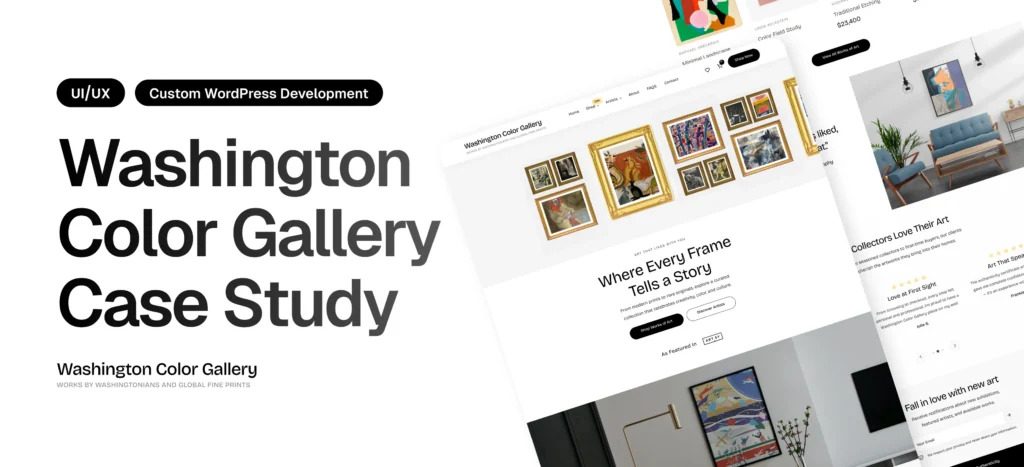
Washington Color Gallery Case Study – WordPress Redesign & Performance Optimization
Overview Washington Color Gallery is a contemporary art platform showcasing…
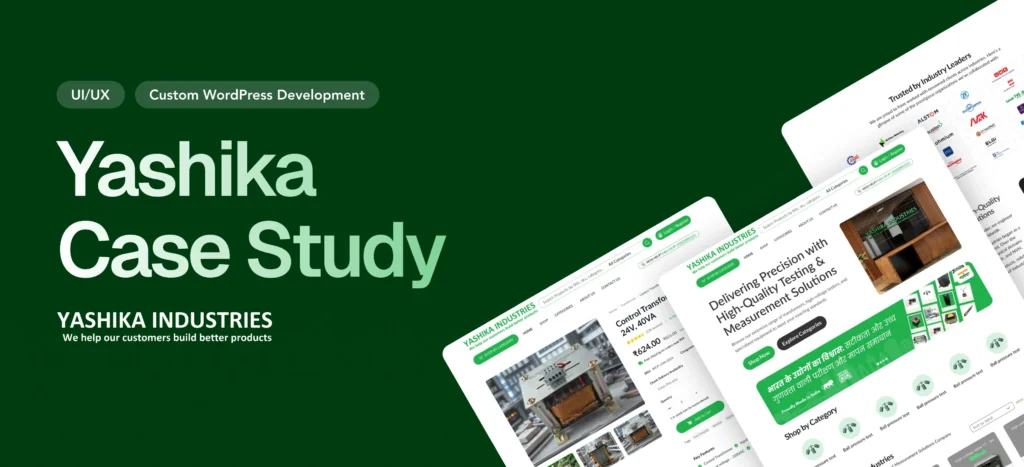
eCommerce Website Optimization & Maintenance for Yashika Shop
Overview Yashika Shop is an eCommerce platform offering a range…
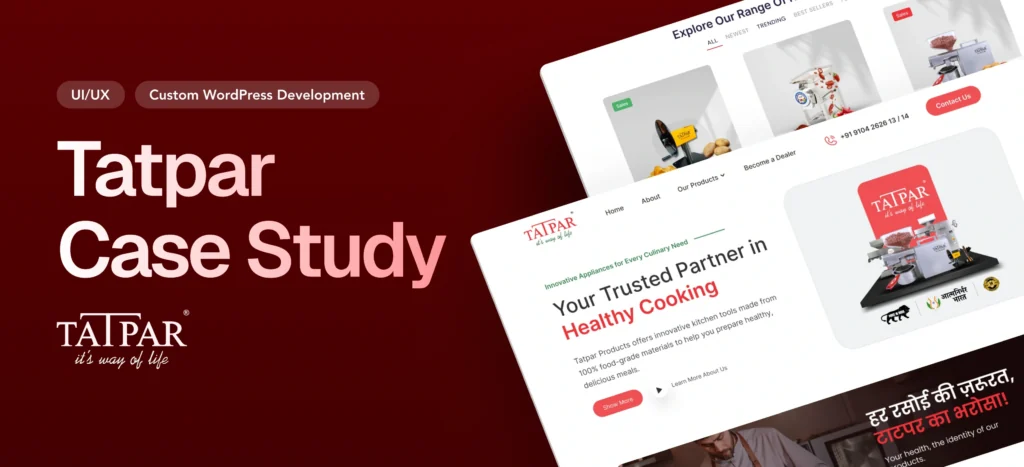
Transforming Tatpar’s Outdated Website into a Scalable Kitchen Equipment Platform
Overview Tatpar is a kitchen equipment provider offering a wide…
Why Choose Qrolic
Choose a Platform Approach That Fits
Finding an online platform development company starts with understanding your requirements. Qrolic can discuss your goals, scope, and options without assuming custom development is always right.
0+
Years of WordPress
Delivering top-tier digital services across design, development, and performance.
0+
Happy Clients
Serving global brands with a 95%+ satisfaction rate across industries.

0%
Client satisfaction
We’re committed to delivering solutions that truly make an impact.
0+
Team members
A strong team of experts in WordPress, web technologies, and UI/UX.
Start Your Project
Let’s Discuss Your Online Platform
Share your platform idea, core requirements, and intended users. Start a conversation with Qrolic about suitable options and the scope of your project.
Curious About the Cost? Free
Our website cost calculator is built using real
project data – no guesswork, just honest pricing.


Curious About the Cost? Free
Just drop your requirements on WhatsApp, and we’ll send you an instant estimate—no forms, no waiting.
Frequently Asked Questions
Common Questions About Platform Development
Choosing a development approach involves questions about scope, costs, functionality, and timing. These answers explain the main considerations before starting a project.
What Is Online Platform Development?
Online platform development involves creating a web-based system that supports interactions between users, services, or businesses. It may include accounts, different user roles, dashboards, business rules, and integrations. The specific features depend on the platform’s purpose and requirements.
How Much Does Online Platform Development Cost?
Online platform development cost depends on the platform’s complexity, number of user roles, interface requirements, custom functionality, and integrations. A basic platform and a complex multi-vendor marketplace can require very different levels of work. Share your requirements to discuss project scope and pricing.
How Long Does It Take to Develop an Online Platform?
The timeline depends on the features, design requirements, integrations, and complexity of the project. A platform with several user roles and specialized business rules generally involves different work from a simple web application. A reliable estimate requires an agreed project scope.
Should I Choose Custom Development or SaaS?
SaaS can be suitable when its existing features meet your business needs. Custom development may be worth considering when your workflows, user roles, or business rules exceed those limits. Compare initial costs, ongoing expenses, flexibility, and future requirements before deciding.
Can an Online Platform Connect With Existing Systems?
A platform may connect with existing systems through APIs and third-party integrations when the required interfaces are available and suitable. The specific integration options depend on the systems involved and their technical restrictions. Identify your current tools and required data exchanges during project discussions.
What Should I Know Before Starting a Platform Project?
Define your intended users, primary business goals, essential features, and available budget. Consider which integrations are necessary and whether an MVP could meet your immediate needs. These details help establish a clearer scope before committing to development.