Web Development for Heavy Equipment Companies
Build a website that presents complex equipment clearly and supports better buyer journeys. Qrolic combines custom design, WordPress development, CMS control, and integrations.
Trusted by large companies worldwide
















Introduction
Build a Website Around Your Equipment
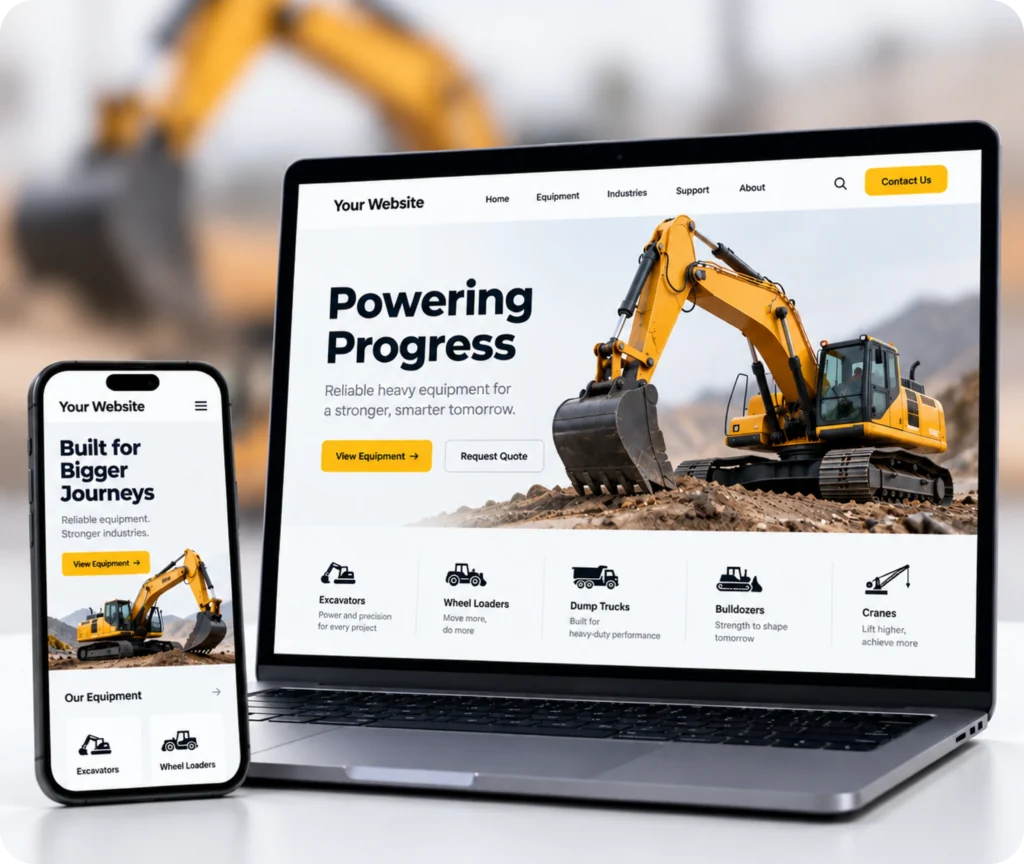
Heavy machinery manufacturers need more than a standard company website. Heavy machinery manufacturing website design should make products, specifications, configurations, and contact paths easier to understand.
Clarity
Control
Ownership
Our Capabilities
- Business-First Design
- Planned User Experience
- Custom UI/UX Design
- Custom WordPress Development
- Dynamic CMS Control
- B2B Integrations
- Custom Functionality

Built for Manufacturers
A Website Built Around Complex Equipment
A heavy equipment website needs clear product structure, useful content controls, and technical implementation that supports how manufacturers present equipment to buyers.
01
Product-Focused Website Structure
Heavy machinery manufacturer website design starts with the equipment and information customers need to understand. The service can structure product lines, models, specifications, configurations, downloads, and related content so complex offerings are easier to navigate and review.
02
Clear User Experience for Buyers
A planned user experience creates a clearer path through categories, equipment information, and enquiry points. Custom UI/UX helps move beyond generic layouts and gives the manufacturer a website structure designed around its specific business and offerings.
03
Flexible WordPress Development
Heavy machinery manufacturer website development uses a custom WordPress block theme, dynamic elements, and full CMS control as defined in the Qrolic process. This gives the client control over supported content types without depending on a developer for every routine update.
04
Connected Sales Workflows
The website can support relevant integrations such as CRM connections, quote-request forms, analytics, email tools, and documentation downloads where required. Custom functionality can also address needs that standard WordPress features do not cover.
Our Approach
Qrolic follows a 15-point Website Design & Development process, starting with business-first planning and moving through UX, custom design, WordPress development, CMS control, integrations, staging, training, ownership, and transparent pricing.
Benefits
Make Complex Equipment Easier to Explore
A structured website can make technical information easier to navigate while giving internal teams more control over supported website content.

Clearer Product Discovery
Organize equipment lines, models, specifications, and configurations into a clearer website structure.

Stronger Brand Presentation
Custom UI/UX helps your website reflect the specialized nature of your manufacturing business.

Easier Content Updates
Dynamic elements and CMS control support routine updates without making every change developer-dependent.

Connected Sales Tools
Relevant integrations can connect forms, CRM systems, analytics, and other supported tools.

Practical Custom Features
Custom functionality can support specific website requirements beyond standard WordPress features.

Greater Ownership
Full ownership of domain, hosting, and accounts helps you retain control of your digital assets.
Give Your Equipment Website a Stronger Structure
Free UX Audit
Create a website that organizes complex equipment information around customer needs.

Our Process
How We Build Your Website
The Qrolic process connects strategy, UX, design, development, delivery, and ownership in a defined sequence.
01
Business-First Design
02
Planned UX
03
Custom UI/UX
04
Custom WordPress Theme
05
Integrations & Functionality
06
Staging Visibility
07
Transparent Process
08
Training & Ownership
09
Transparent Pricing
Step 01
Business-First Design
We begin with the business, audience, and offerings before moving into visual design. This establishes the foundation for the website.
Step 02
Planned UX
User journeys, structure, and navigation are planned before development. This helps complex equipment information follow a clearer path.
Step 03
Custom UI/UX
The interface is designed around the manufacturer rather than a generic template. The result is a more specific digital experience.
Step 04
Custom WordPress Theme
A custom WordPress block theme provides the development foundation. Dynamic elements and CMS control support structured website content.
Step 05
Integrations & Functionality
Relevant integrations and custom functionality are addressed according to the website requirements. Automation is considered where repetitive processes can be reduced.
Step 06
Staging Visibility
An early staging site provides visibility during development. This gives stakeholders an opportunity to review progress before launch.
Step 07
Transparent Process
The process includes regular updates and visibility throughout the build. Clients remain informed as the website moves toward completion.
Step 08
Training & Ownership
Pre-launch training helps the management team work with the CMS. Full ownership of domain, hosting, and accounts remains with the client
Step 09
Transparent Pricing
Pricing is presented without hidden fees. This provides clearer budget visibility as the website project moves forward.
Comparison
Choose a Structured Machinery Website Approach
A generic website approach can make complex equipment information harder to manage. A specialized process considers structure, CMS control, integrations, and ownership.
Without Qrolic:
Without Qrolic :
- Generic website structure
- Template-based visual approach
- Limited content flexibility
- Developer-dependent updates
- Disconnected website tools
- Limited custom functionality
- Unclear ownership concerns
With Qrolic:
With Qrolic :
- Business-first website planning
- Custom UI/UX structure
- Dynamic editable elements
- Full CMS control
- Relevant third-party integrations
- Custom functionality development
- Full client ownership
Case Studies
Heavy Machinery Projects Require Verified Evidence
No heavy machinery case studies, client names, project results, testimonials, or industry certifications were supplied in the approved research brief. This page therefore does not present unverified examples.

Custom Checkout.com Payment Gateway Integration for WordPress & Gravity Forms
Overview The client required a more advanced Checkout.com payment solution…
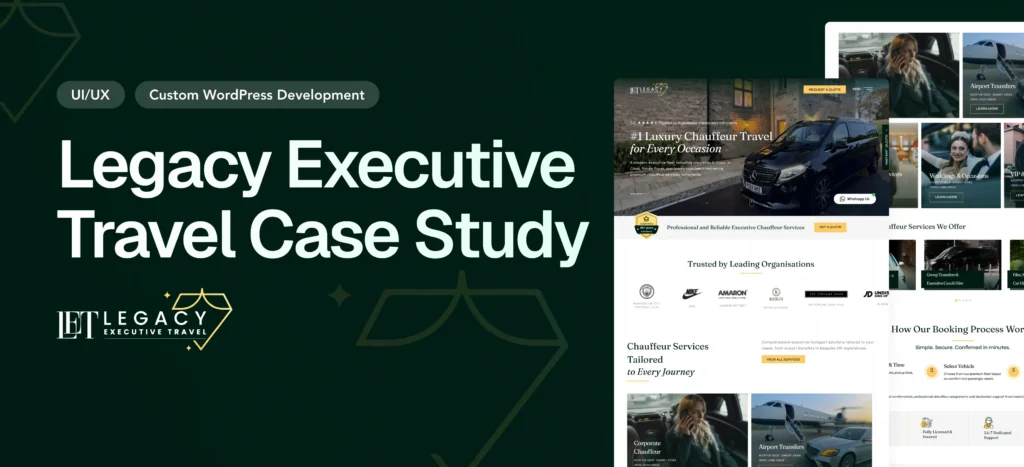
Legacy Executive Travel Website Redesign Case Study – Luxury Chauffeur Platform
Overview Legacy Executive Travel is a UK-based luxury chauffeur company…
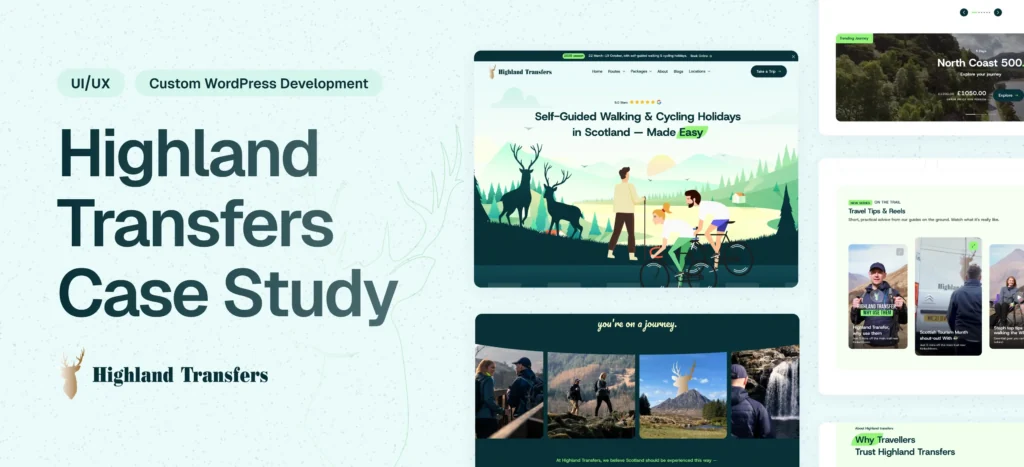
Highland Transfers Website Redesign & Development & SEO Optimization
Overview Highland Transfers is a professional transportation service offering reliable…
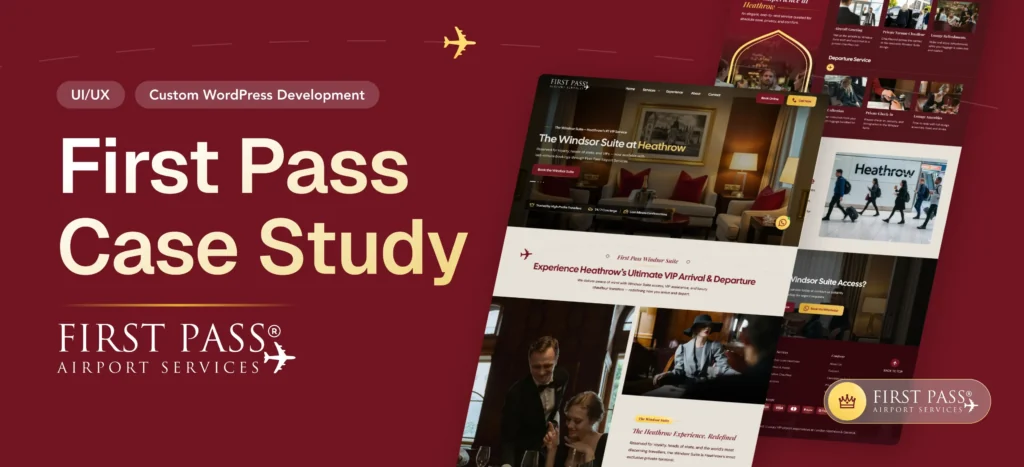
First Pass Airport Website Development & Smart Booking System
Overview First Pass Airport is a premium airport concierge service…
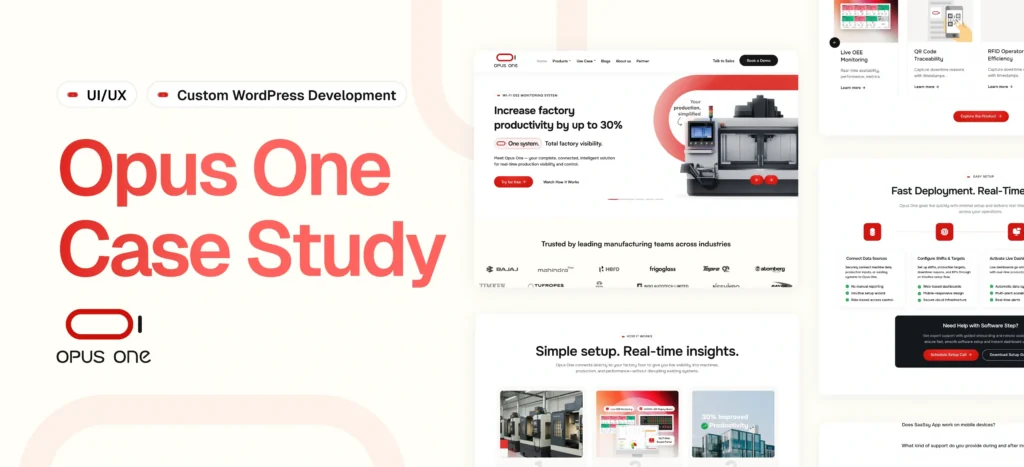
OpusOne – Scalable Product & Technology Platform
Delivered a flexible, scalable platform for managing products, sectors, and…
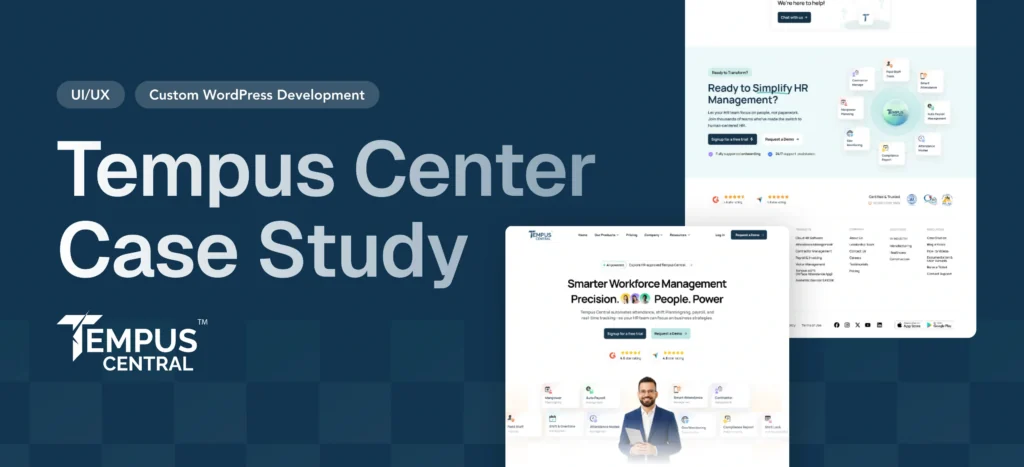
Tempus Central – HR & Workforce Management Website
Delivered a modular, scalable website with dynamic styling and seamless…
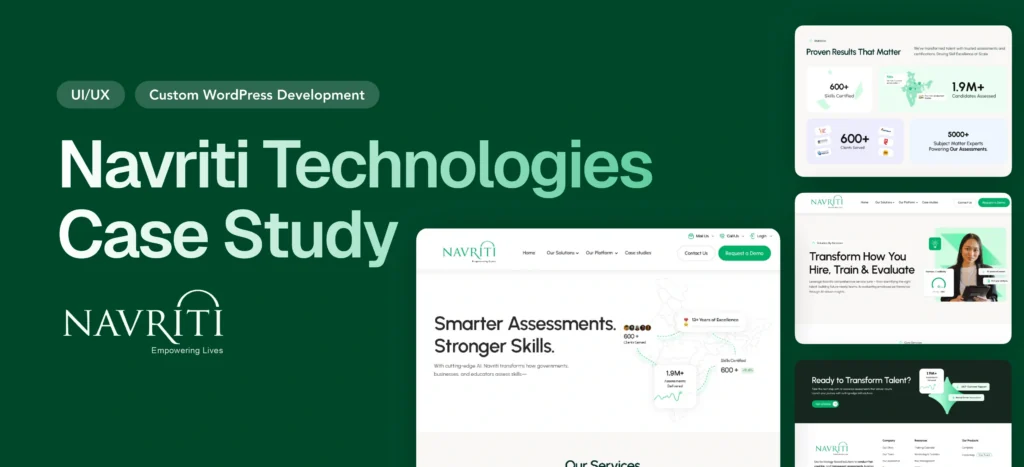
Empowering India’s Skilling Movement — Navriti Website Redesign
Navriti Technologies is leading India’s skilling and employability movement. But…
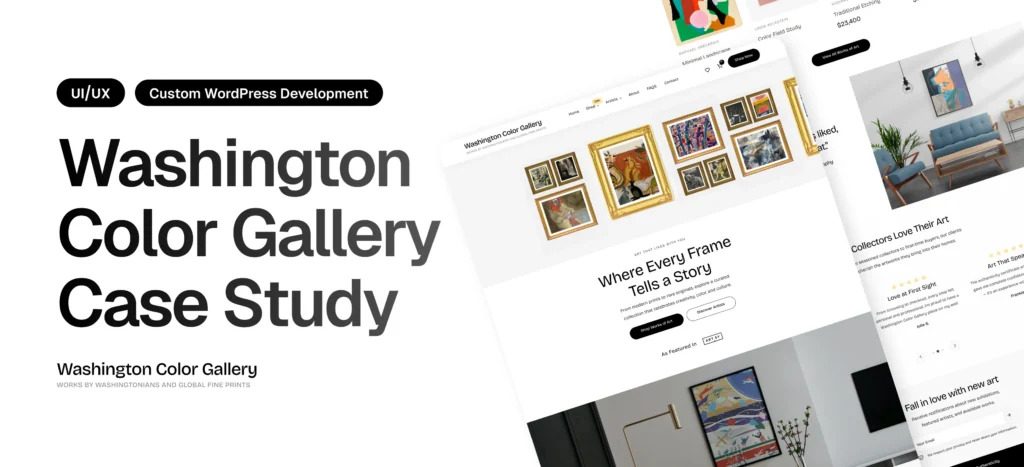
Washington Color Gallery Case Study – WordPress Redesign & Performance Optimization
Overview Washington Color Gallery is a contemporary art platform showcasing…
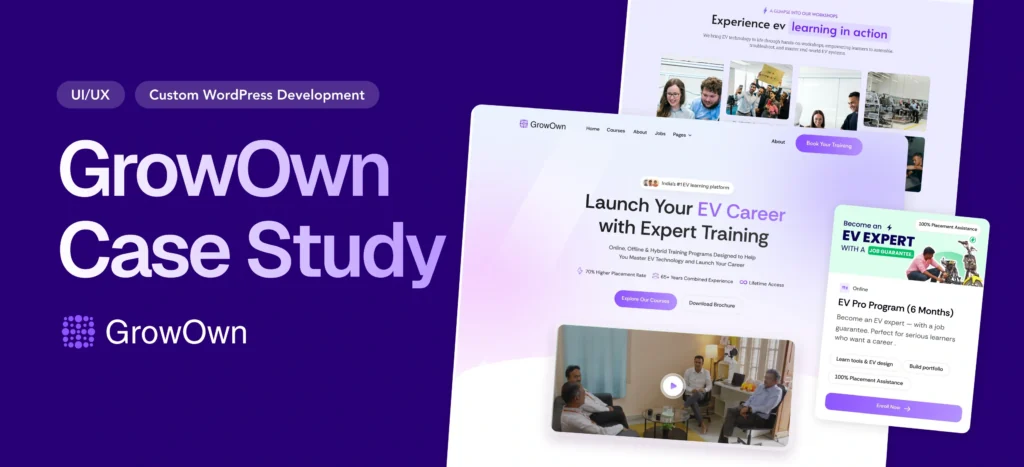
Building India’s Leading EV Learning Platform from Scratch: The Growown Success Story
Overview GrowOwn is an innovative EV (Electric Vehicle) learning platform…
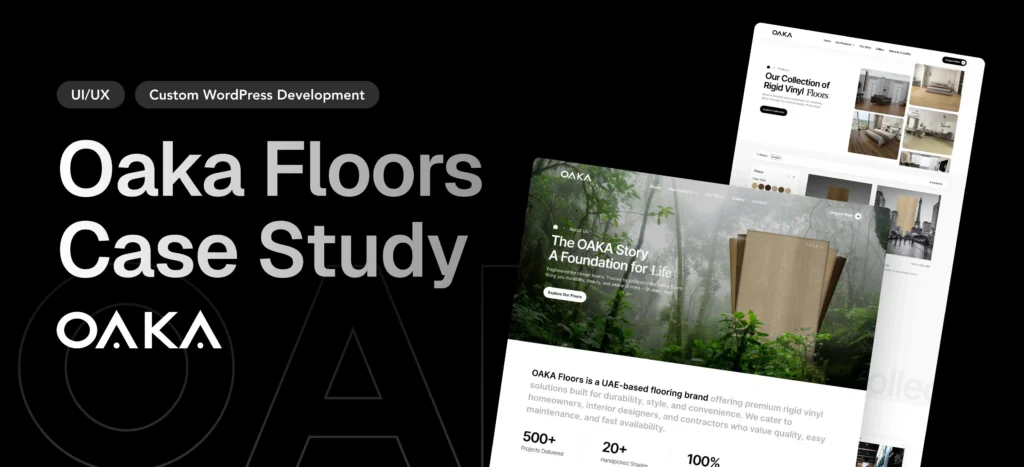
Premium Digital Experience That Matches OAKA’s Luxury Flooring Standards
Overview OAKA is a premium luxury flooring brand focused on…
Why Choose Qrolic
Built Around Control, Clarity, and Ownership
Qrolic’s verified process emphasizes business-first planning, CMS control, staging visibility, training, ownership, and transparent pricing for the website project.
0+
Years of WordPress
Delivering top-tier digital services across design, development, and performance.
0+
Happy Clients
Serving global brands with a 95%+ satisfaction rate across industries.

0%
Client satisfaction
We’re committed to delivering solutions that truly make an impact.
0+
Team members
A strong team of experts in WordPress, web technologies, and UI/UX.
Start Your Project
Build a Better Machinery Website
A structured website can make equipment information clearer and give your team greater control over supported content and digital assets.
Curious About the Cost? Free
Our website cost calculator is built using real
project data – no guesswork, just honest pricing.


Curious About the Cost? Free
Just drop your requirements on WhatsApp, and we’ll send you an instant estimate—no forms, no waiting.
Frequently Asked Questions
Heavy Machinery Website FAQs
Get clear answers about the website structure, development process, CMS control, ownership, and project approach.
What should a heavy machinery website include?
A heavy machinery website should clearly organize equipment models, product information, specifications, configurations, downloads, and enquiry paths. The exact structure depends on the manufacturer’s offerings and website requirements.
Can the website handle changing equipment content?
The supplied Qrolic process includes dynamic elements and full CMS control. These support editable website content and can help teams manage supported updates without depending on a developer for every routine change.
Can Qrolic connect the website with CRM tools?
Third-party integrations are included in the verified process. The supplied brief identifies CRM, forms, analytics, and email tools as relevant integration areas, with the specific implementation determined by the project requirements.
Will our team receive CMS training?
Yes. Pre-launch training is a verified part of the Qrolic process. It includes a management guide and live walkthrough to help the client team work with the CMS.
Will we own the website after launch?
Full client ownership is included in the verified process. The client retains ownership of the domain, hosting, and accounts, helping avoid vendor lock-in.
How does Qrolic approach pricing?
Transparent pricing is one of the 15 verified process points. The approach is designed to avoid hidden fees and provide clearer visibility into the website project’s costs.