Textile Manufacturing Website Development Services
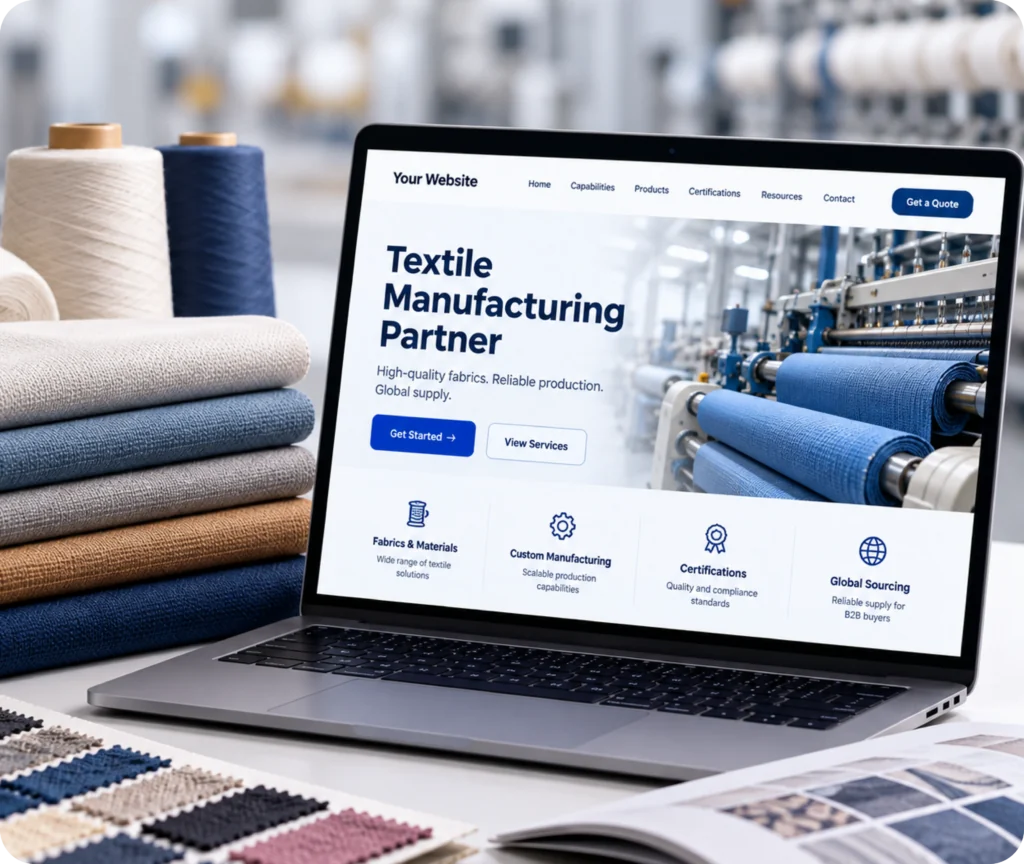
Build a B2B website that presents textile capabilities clearly. Help buyers review specifications, certifications, catalogs, and sourcing options with confidence.
Trusted by large companies worldwide

















Introduction
Websites Built for Textile Buyers
Textile manufacturers need more than a standard business website. A structured website helps B2B buyers evaluate products, specifications, capabilities, certifications, and sourcing options before making contact.
Clarity
Credibility
Enquiries
Our Capabilities
- B2B Buyer-Focused UX
- Custom WordPress Development
- Dynamic Product Catalogs
- RFQ & Enquiry Workflows
- Certification Presentation
- CMS Content Management
- CRM & Email Integrations

Built for Sourcing
A Better Website for Textile Sourcing
Textile manufacturing website development connects product information, production capabilities, trust signals, and enquiry paths into a clearer B2B buying experience.
01
Product Catalogs That Support Evaluation
The service includes structured product and fabric catalog pages designed around textile information such as GSM, yarn count, composition, width, MOQ, finishes, and other supplied specifications. Buyers can review relevant information without relying on scattered documents or repeated emails.
02
Why Textile Websites Need More Structure
Textile buyers often evaluate suppliers based on specifications, production capabilities, certifications, lead times, and sourcing requirements. A textile manufacturer website design should make these details easy to find while presenting the manufacturer professionally to retailers, brands, distributors, agents, and other B2B buyers.
03
From Research to Enquiry
The website experience is organized around a sourcing journey rather than a consumer checkout flow. Buyers can move from capabilities to catalog information, certifications, and RFQ or enquiry actions, creating a clearer path from supplier research to contact.
04
Built for Manufacturing Businesses
The service is intended for textile and garment manufacturers serving wholesale, export, or private-label buyers. It can support use cases including fabric mills, garment manufacturers, and technical or industrial textile producers that need a structured digital presence.
Our Approach
Qrolic applies its 15-point website design and development workflow to the textile manufacturing context. The approach covers business-first planning, guided UX, custom design, lightweight WordPress development, CMS control, integrations, custom functionality, staging, training, ownership, and transparent pricing.
Benefits
Turn Product Data Into Buyer Clarity
A structured booking engine connects customer actions with operator workflows. It can reduce manual steps while making tour availability and booking information easier to manage.

Faster Product Evaluation
Organized catalog pages help buyers find specifications such as GSM, yarn count, composition, width, and MOQ.

Stronger Buyer Confidence
Clear product information, capabilities, and certification sections give buyers relevant details before they enquire.

Better Inbound Enquiries
RFQ and enquiry workflows give sourcing buyers a direct way to communicate their requirements.

Easier Catalog Updates
Editable CMS elements allow teams to manage product information and new catalog content without developer dependency.

Clearer Sourcing Journey
The experience guides buyers from manufacturing capabilities through catalog information, certifications, and enquiry actions.

Leaner Website Foundation
A lightweight WordPress block-theme approach helps avoid unnecessary bloat across content-heavy catalog pages.
Build a Textile Website Buyers Can Trust
Free UX Audit
Present your products, capabilities, specifications, and sourcing process in one structured B2B website.

Our Workflow
Our Website Development Process
The 15-point workflow is applied to textile manufacturing needs, from business-first planning through ownership and transparent pricing.
01
Design Around Business
02
Guided UX
03
Distinctive Brand Experience
04
Fast WordPress Build
05
Easy to Manage
06
CMS and Integrations
07
Custom Functionality
08
Staging, Training and Handover
Step 01
Design Around Business
The website structure reflects textile categories, production capabilities, and export markets instead of a generic template.
Step 02
Guided UX
The buyer journey connects capabilities, catalog information, certifications, and RFQ actions for easier sourcing evaluation.
Step 03
Distinctive Brand Experience
Custom UI and UX reflect the manufacturer’s positioning, whether the business presents itself as premium, technical, or sustainability-focused.
Step 04
Fast WordPress Build
A custom block theme and lean approach support a lightweight website for buyers accessing catalog content from varied connections.
Step 05
Easy to Manage
Editable website elements allow teams to update fabric specifications, MOQs, and product lines without developer dependency.
Step 06
CMS and Integrations
The website supports content growth and relevant integrations for CRM, enquiry routing, analytics, and email tools.
Step 07
Custom Functionality
RFQ forms, specification downloads, and sample-request workflows can be incorporated where supported by the project requirements.
Step 08
Staging, Training and Handover
Early staging allows review before launch, followed by management guidance, training, and full ownership of the website assets.
Comparison
Why Textile Manufacturing Website Development Matters
A generic website may present a company without addressing how textile buyers evaluate suppliers. A specialized approach organizes information around sourcing decisions.
Without Qrolic:
Without Qrolic :
- Generic business page structure
- Basic product presentation
- Specifications buried in documents
- Generic contact form
- Limited certification visibility
- Developer-dependent updates
- Template-led experience
With Qrolic:
With Qrolic :
- Textile-specific content structure
- Structured fabric and product catalogs
- Key specifications presented clearly
- Sourcing-focused RFQ and enquiry paths
- Dedicated certification sections
- Editable CMS content
- Business-first custom UI and UX
Case Studies
Built Around Verified Information
The service page does not use unverified client stories, performance metrics, testimonials, or project results. This keeps every claim grounded in supplied information.
Qrolic’s textile manufacturing website development approach is described through the approved workflow, service scope, and textile-specific buyer requirements rather than unsupported case-study claims.

Custom Checkout.com Payment Gateway Integration for WordPress & Gravity Forms
Overview The client required a more advanced Checkout.com payment solution…

Legacy Executive Travel Website Redesign Case Study – Luxury Chauffeur Platform
Overview Legacy Executive Travel is a UK-based luxury chauffeur company…
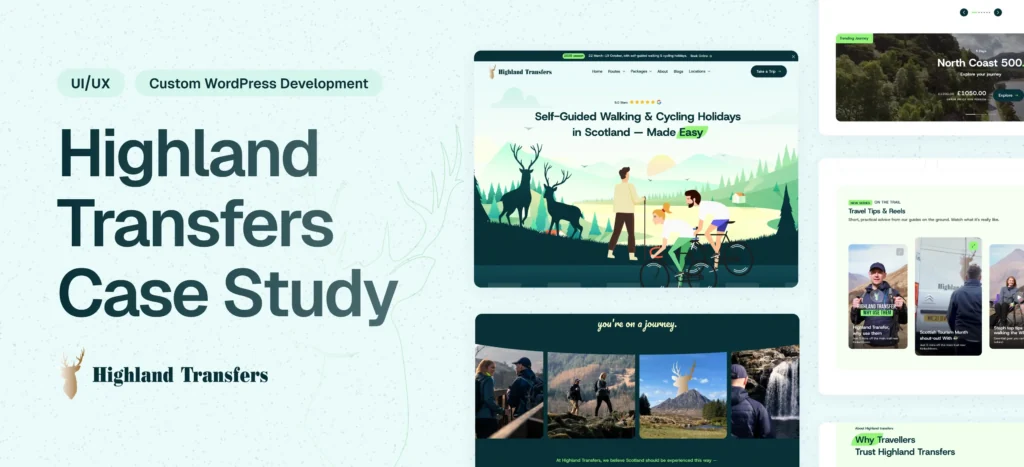
Highland Transfers Website Redesign & Development & SEO Optimization
Overview Highland Transfers is a professional transportation service offering reliable…

First Pass Airport Website Development & Smart Booking System
Overview First Pass Airport is a premium airport concierge service…
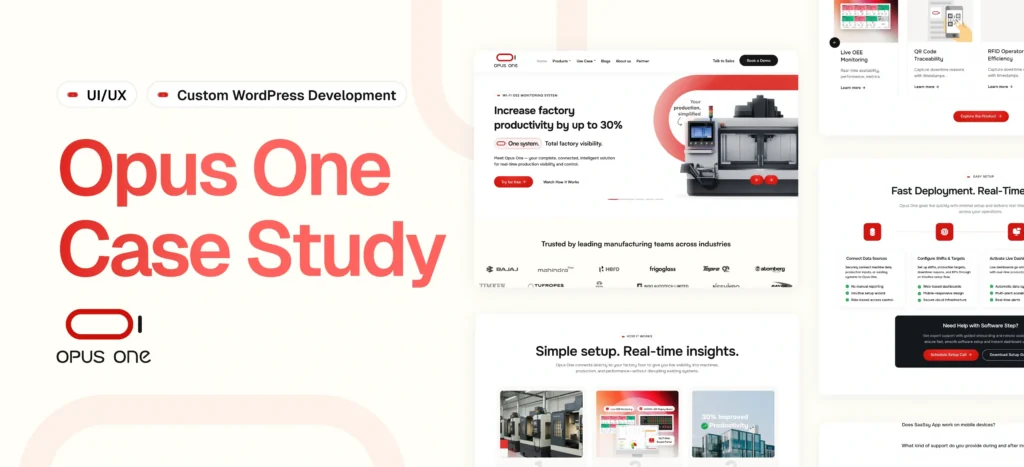
OpusOne – Scalable Product & Technology Platform
Delivered a flexible, scalable platform for managing products, sectors, and…
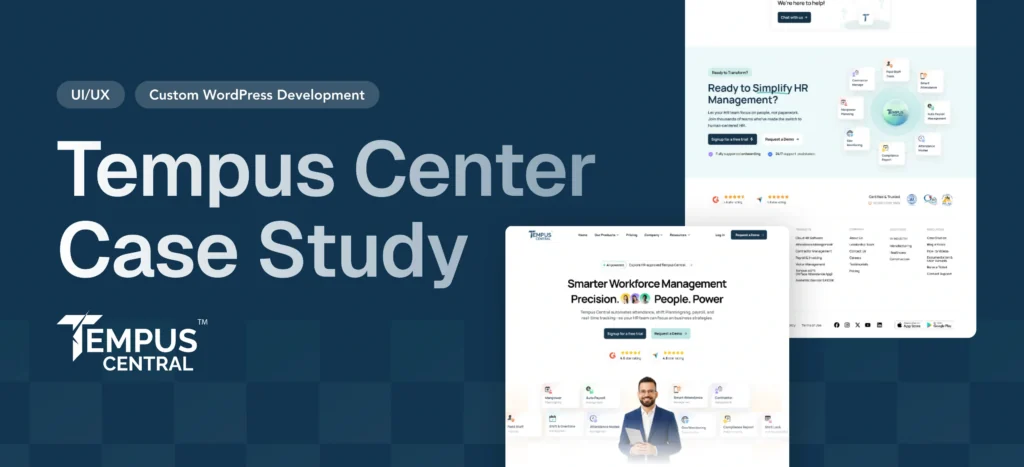
Tempus Central – HR & Workforce Management Website
Delivered a modular, scalable website with dynamic styling and seamless…
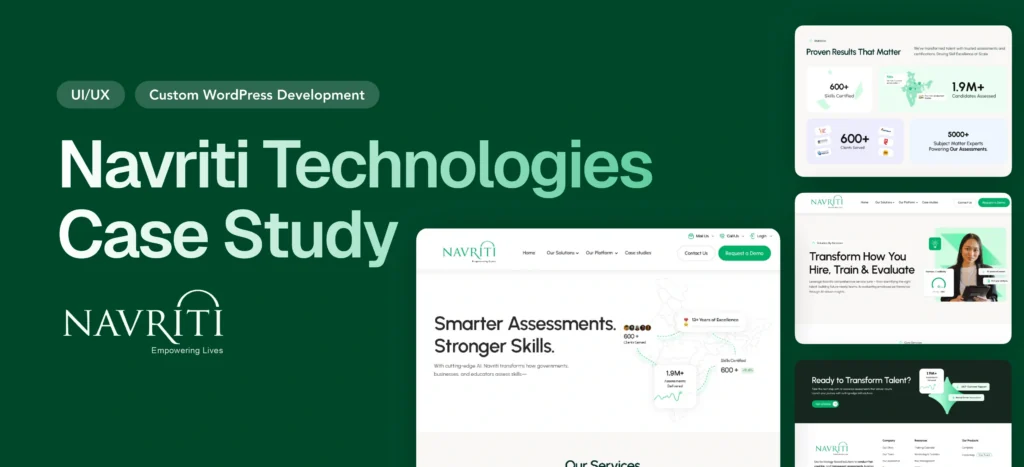
Empowering India’s Skilling Movement — Navriti Website Redesign
Navriti Technologies is leading India’s skilling and employability movement. But…
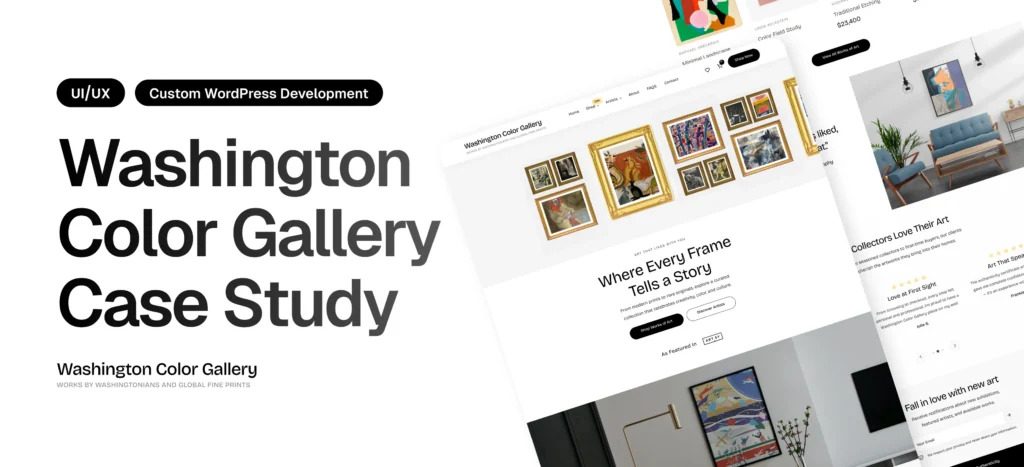
Washington Color Gallery Case Study – WordPress Redesign & Performance Optimization
Overview Washington Color Gallery is a contemporary art platform showcasing…
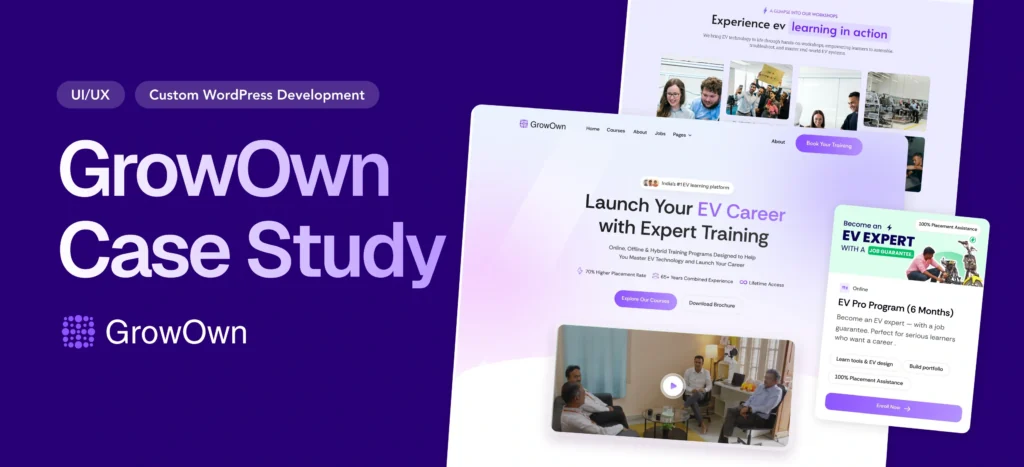
Building India’s Leading EV Learning Platform from Scratch: The Growown Success Story
Overview GrowOwn is an innovative EV (Electric Vehicle) learning platform…
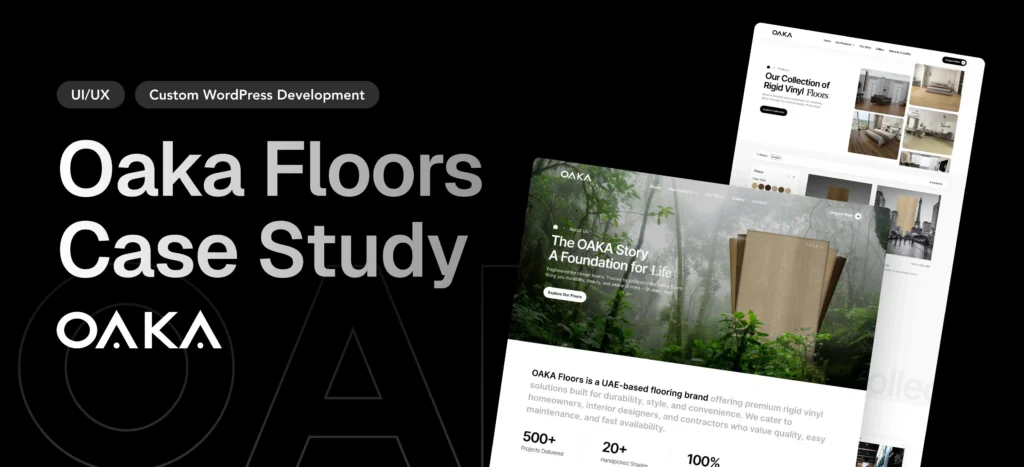
Premium Digital Experience That Matches OAKA’s Luxury Flooring Standards
Overview OAKA is a premium luxury flooring brand focused on…
Why Choose Qrolic
Built Around Textile Buyer Needs
Qrolic’s approach applies a verified website workflow to textile manufacturing requirements. The focus stays on clarity, structured information, manageability, and B2B sourcing.
The process combines business-first planning, guided UX, custom website design, WordPress development, CMS control, integrations, staging, training, ownership, and transparent pricing. These elements give textile manufacturers a structured foundation for presenting their business online.
0+
Years of WordPress
Delivering top-tier digital services across design, development, and performance.
0+
Happy Clients
Serving global brands with a 95%+ satisfaction rate across industries.

0%
Client satisfaction
We’re committed to delivering solutions that truly make an impact.
0+
Team members
A strong team of experts in WordPress, web technologies, and UI/UX.
Start Your Project
Plan Your Textile Website
A structured website can bring product information, manufacturing capabilities, certifications, and sourcing enquiries together in one place.
Curious About the Cost? Free
Our website cost calculator is built using real
project data – no guesswork, just honest pricing.


Curious About the Cost? Free
Just drop your requirements on WhatsApp, and we’ll send you an instant estimate—no forms, no waiting.
Frequently Asked Questions
Textile Website FAQs
Textile manufacturers need websites that support B2B evaluation rather than consumer checkout. These answers cover common sourcing and website requirements.
What should a textile manufacturer’s website include?
A textile manufacturer’s website should clearly present products, fabric specifications, manufacturing capabilities, certifications, and sourcing information. It should also provide a clear path for buyers to submit RFQs, enquiries, or sample requests where required.
Do textile manufacturers need ecommerce checkout?
Not necessarily. The approved service is primarily designed around B2B sourcing and RFQ or enquiry workflows rather than D2C ecommerce checkout. Ecommerce functionality can depend on the manufacturer’s specific business requirements.
What information should textile product pages show?
Product pages can organize relevant information such as GSM, yarn count, composition, width, MOQ, finish, and other supplied fabric specifications. The exact information depends on the manufacturer’s products and catalog structure.
Can the website support garment manufacturing workflows?
The website can address catalog and quoting requirements associated with garment manufacturing where those functions are part of the project. The phrase garment manufacturing web app builder is treated as a functionality need within the website rather than a separate software product.
Can our team update textile product information?
The supplied workflow includes easy content management and full CMS control. This allows the manufacturer’s team to manage fabric specifications, product categories, certifications, and other website content without relying on a developer for every update.
How does textile manufacturer website development support buyers?
A structured textile manufacturer website development approach helps buyers move from manufacturing capabilities to product information, certifications, and enquiry actions. This reduces the need to search through scattered information before contacting the manufacturer.