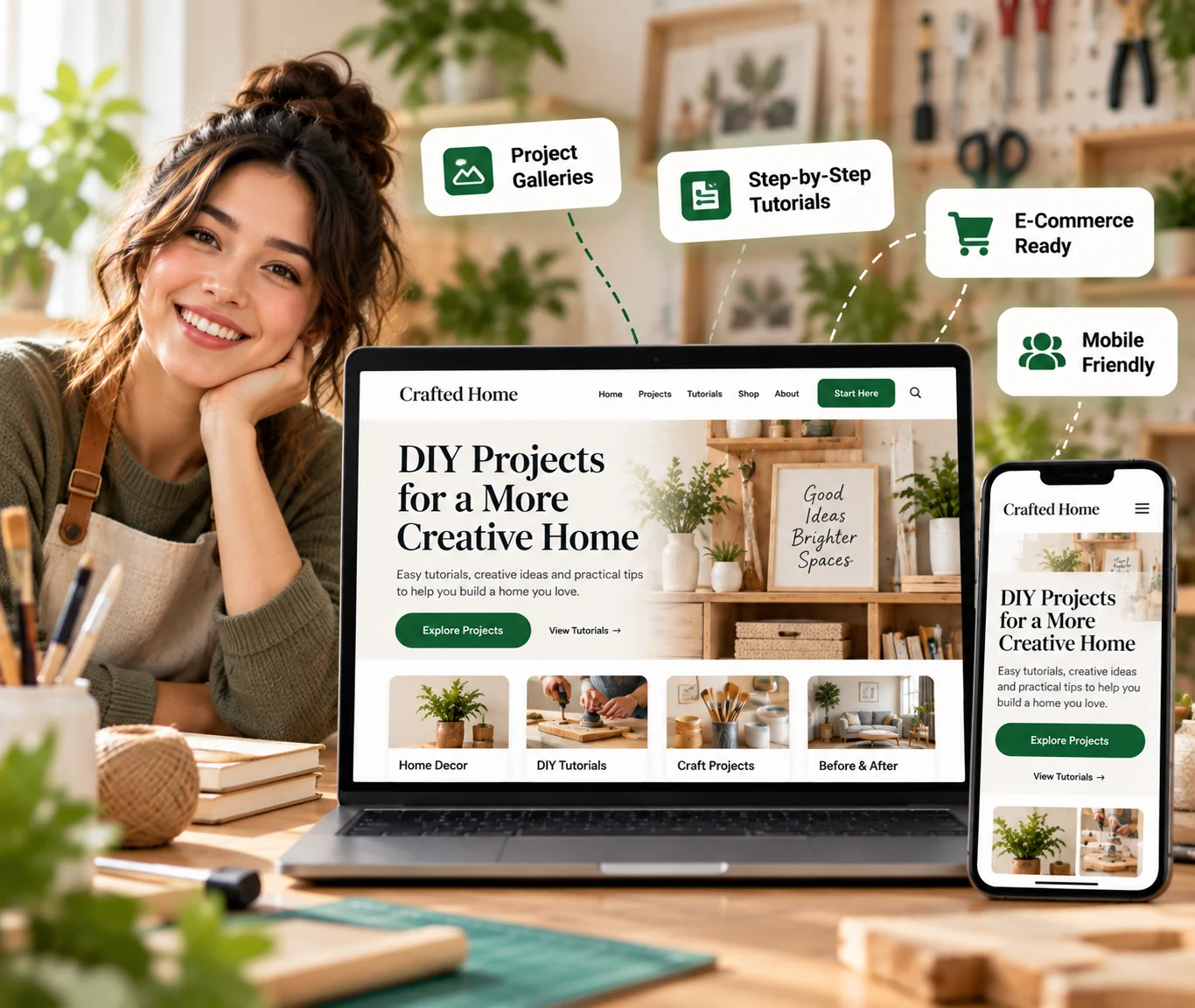
DIY Blogger Website Design for Projects and Tutorials
Qrolic designs and develops custom WordPress websites for home improvement bloggers, craft creators, makers, and other DIY publishers who share projects and tutorials.
Trusted by large companies worldwide.















Introduction
Give Your DIY Content a Professional Home
A DIY blog needs more than a standard article template. Visual galleries, clear tutorial layouts, and mobile-friendly pages help readers explore and follow your work.
Project Galleries
Tutorial Layouts
Mobile Reading
Our Capabilities
- Custom Website Design
- Project Galleries and Before-and-After Layouts
- Tutorial Hosting and Step-by-Step Layouts
- E-Commerce for DIY Products
- Community Features
- SEO Foundation
- Mobile-First Website Development
- WordPress Content Management

DIY Blogger Services
Design a Website for Your DIY Blog
Qrolic builds custom WordPress websites around how DIY bloggers create, organize, and share projects, from tutorials and galleries to optional products and community features.
01
What Does the Service Include?
The service covers custom website design, project galleries, before-and-after layouts, tutorial pages, optional e-commerce and community features, an SEO foundation, mobile-friendly development, and WordPress content management.
02
Why Does DIY Blog Website Design Matter?
DIY content mixes visuals with practical instructions. A generic blog template may make galleries, supply lists, and steps hard to browse, follow, and revisit, especially for readers working on a project from a phone.
03
How Does the Service Address These Challenges?
Qrolic plans the content structure first, then designs project, tutorial, and gallery layouts around it. WordPress development adds the agreed features and a content system, so routine updates do not require editing code.
04
Who Is This Service For?
It suits home improvement and renovation bloggers, craft and Cricut creators, home decor publishers, recipe and from-scratch cooking bloggers, and woodworking or maker sites that share projects and instructions.
Our Approach
Our four-step workflow starts with discovery and strategy, moves through design, build, and functionality, and ends with launch preparation. Features and deliverables are agreed before development begins.
Benefits
Benefits of a Professional DIY Blog Website
A custom website gives your DIY content a structured home. Galleries, tutorial layouts, and flexible features can grow with your publishing over time.

Professional Project Presentation
Dedicated galleries and project pages help visitors explore your work. Consistent layouts make your website feel more organized and recognizable.

Easier-to-Follow Tutorials
Structured instructions, supply lists, and supporting media help readers understand each project without working through an unstructured article.

Flexible Monetization Options
Support product sales, digital downloads, and affiliate content. Choose only the features that match your current business model.

Better Mobile Reading
Responsive design helps readers access tutorials and project information on phones, tablets, and desktop devices.

Organized Content Library
Categories, archives, and related content sections help visitors find older tutorials, while a suitable structure helps search engines understand your content.

More Control Over Your Site
An independently managed website offers more control over design, content structure, and selected functionality than platforms with fixed templates.
Give Your DIY Projects a Clearer Home
Free UX Audit
Plan a website that presents your tutorials, galleries, and products clearly for readers on any device.

Our Process
How We Build Your DIY Blog Website
Our four-step workflow moves from discovery and strategy to design, functionality, and launch, with each stage built around your DIY content.
01
Discovery & Strategy
02
Creative Design & Build
03
Content & Functionality
04
Launch & Community
Step 01
Discovery & Strategy
We learn about your DIY niche, audience, website goals, and content types, and decide whether you need galleries, e-commerce, or community features. This gives the design and development work a clear direction.
Step 02
Creative Design & Build
We design custom layouts for projects, tutorials, galleries, and navigation, with responsive design for different screens. Development of the agreed website features follows the approved design direction.
Step 03
Content & Functionality
We work on tutorial and project layouts, gallery functionality, content management, and any e-commerce or community features in your scope. Device compatibility checks review how the components work together.
Step 04
Launch & Community
We review the implemented website, check agreed features, and prepare it for launch, including any community functionality in scope. Ongoing maintenance or post-launch support should be confirmed in the project scope.
Comparison
Choose a Custom DIY Blog Website
A custom DIY blog suits publishers who need more flexibility. Free platforms may be enough while you test a niche or publish occasionally.
Without Qrolic:
Without Qrolic :
- Relies on available templates
- Gallery options vary by platform
- Tutorials may need workarounds
- Store options depend on platform
- Community tools vary by platform
- Platform publishing tools only
- Platform terms may limit control
With Qrolic:
With Qrolic :
- Design planned around your brand
- Dedicated project gallery layouts
- Step and supply list layouts
- Agreed online store features
- Selected community features
- CMS set up for your content types
- More control over site and hosting
Case Studies
Discuss Your DIY Blog Needs
Qrolic’s workflow covers planning, design, development, review, and launch. This page does not present unverified DIY client projects, testimonials, or performance results.
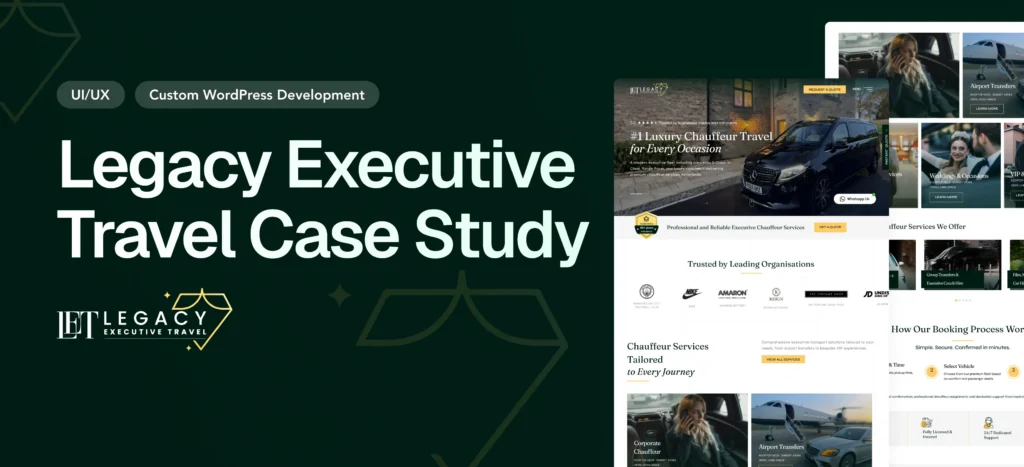
Legacy Executive Travel Website Redesign Case Study – Luxury Chauffeur Platform
Overview Legacy Executive Travel is a UK-based luxury chauffeur company…
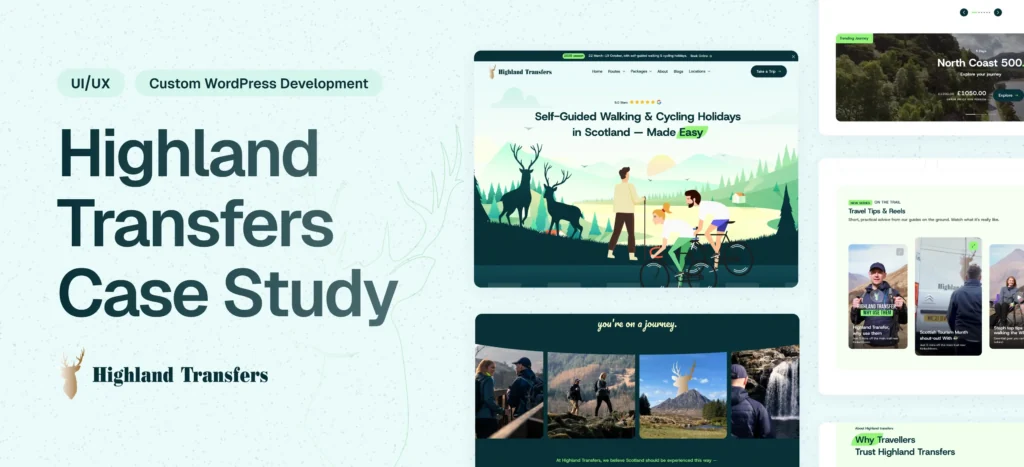
Highland Transfers Website Redesign & Development & SEO Optimization
Overview Highland Transfers is a professional transportation service offering reliable…
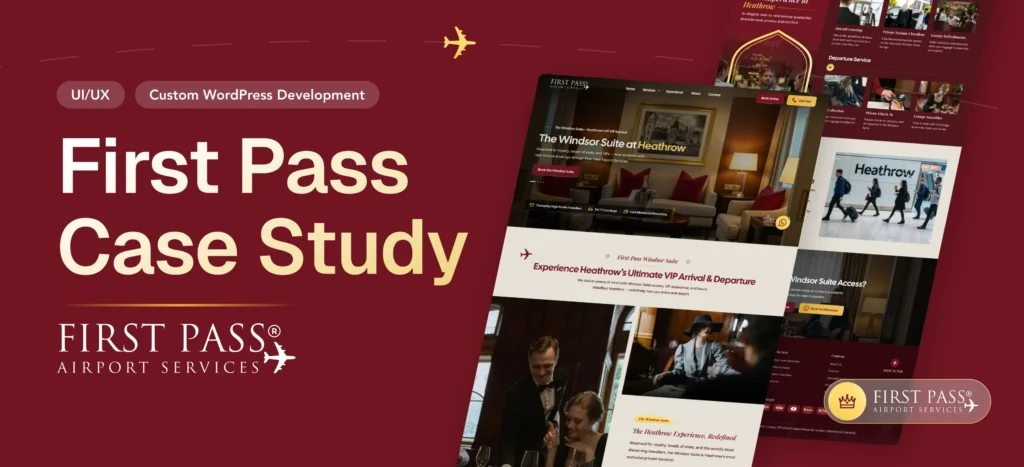
First Pass Airport Website Development & Smart Booking System
Overview First Pass Airport is a premium airport concierge service…
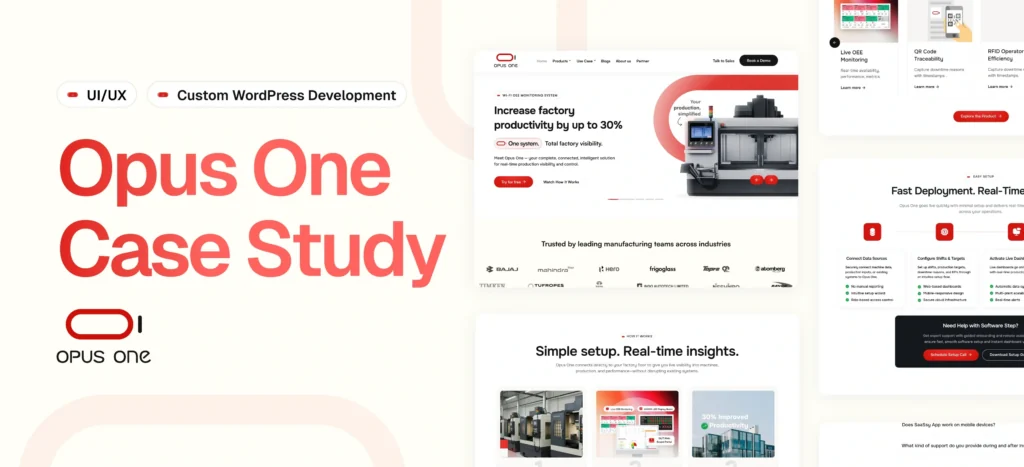
OpusOne – Scalable Product & Technology Platform
Delivered a flexible, scalable platform for managing products, sectors, and…
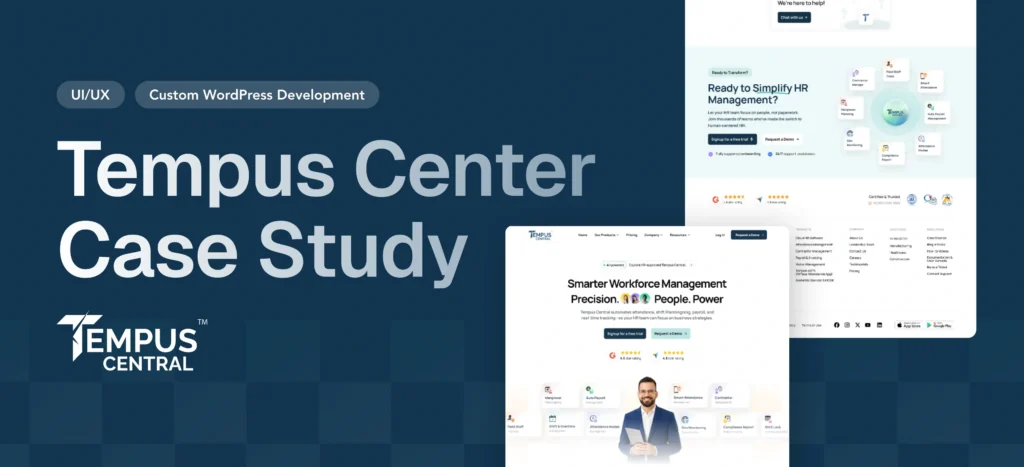
Tempus Central – HR & Workforce Management Website
Delivered a modular, scalable website with dynamic styling and seamless…
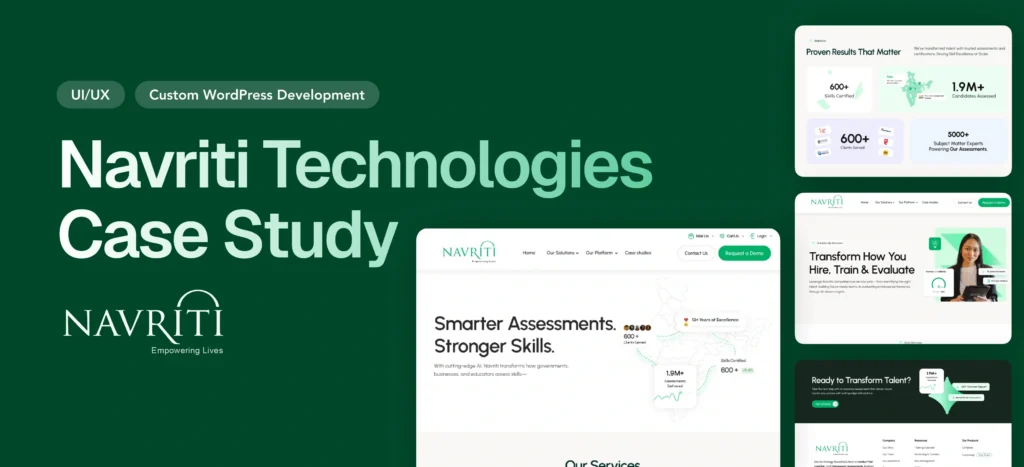
Empowering India’s Skilling Movement — Navriti Website Redesign
Navriti Technologies is leading India’s skilling and employability movement. But…
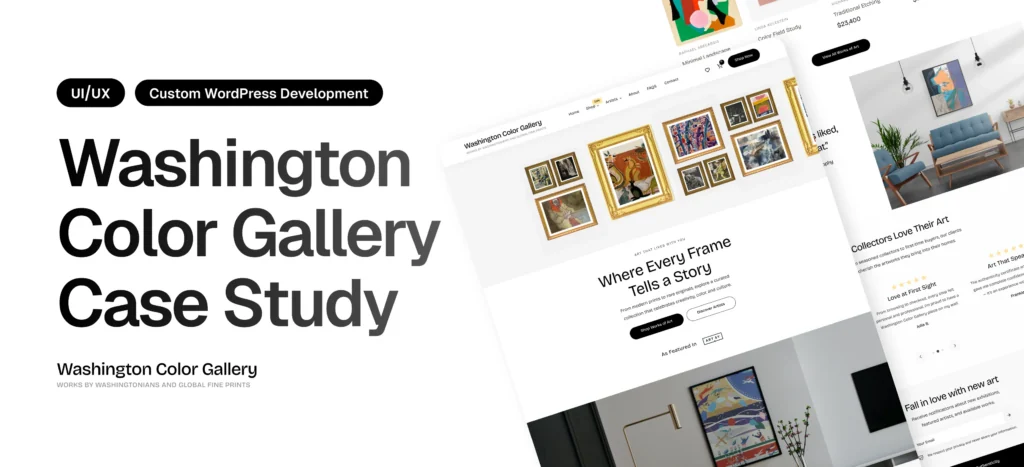
Washington Color Gallery Case Study – WordPress Redesign & Performance Optimization
Overview Washington Color Gallery is a contemporary art platform showcasing…
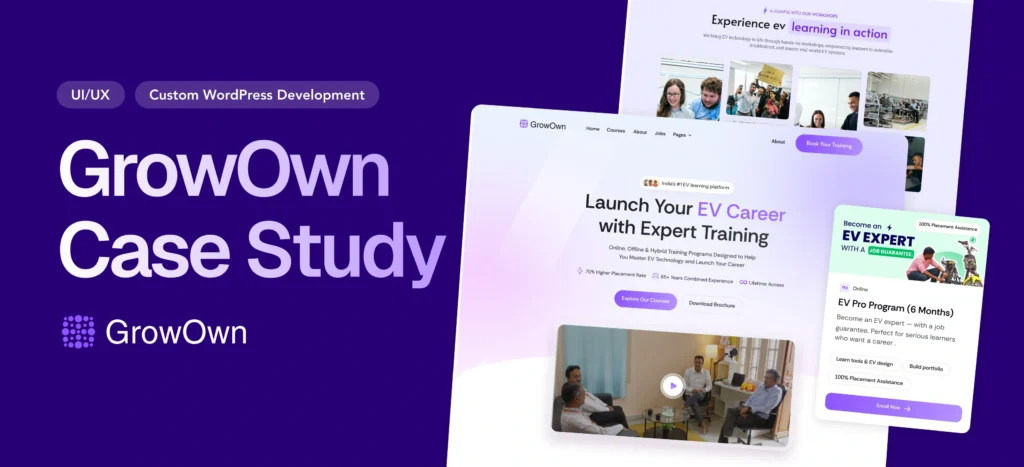
Building India’s Leading EV Learning Platform from Scratch: The Growown Success Story
Overview GrowOwn is an innovative EV (Electric Vehicle) learning platform…
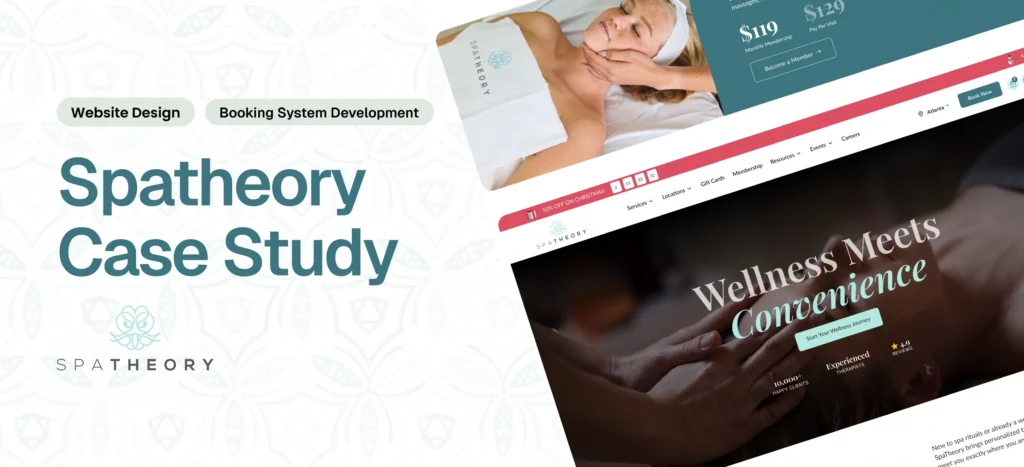
Spatheory – Luxury Spa Booking Platform Transformation
Delivered a fast, scalable platform with a seamless booking experience…
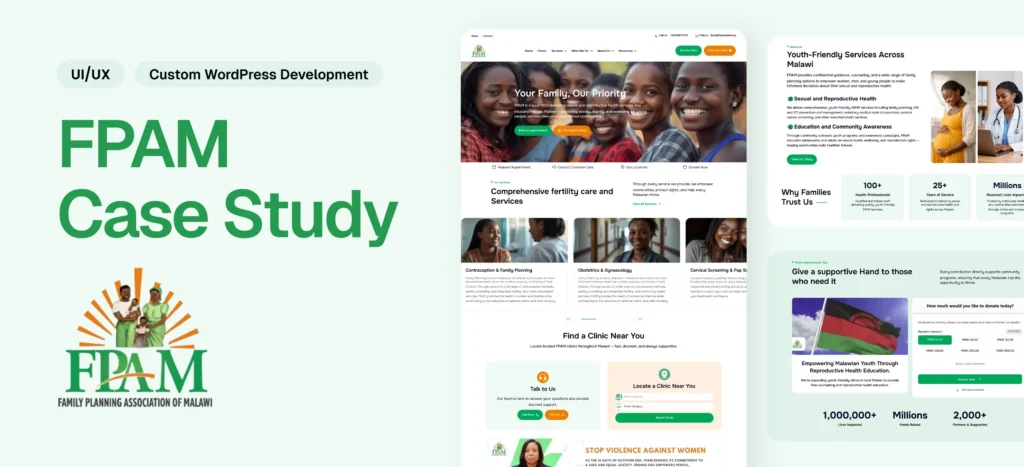
Family Planning Association of Malawi (FPAMalawi) Website Modernization
Delivered a modern healthcare platform with structured content, booking, donation,…
Why Choose Qrolic
Keep Control of Your DIY Blog Website
Qrolic builds custom WordPress websites around the content, audience, and features your DIY blog needs, with deliverables agreed before development begins.
0+
Years of WordPress
Delivering top-tier digital services across design, development, and performance.
0+
Happy Clients
Serving global brands with a 95%+ satisfaction rate across industries.
0%
Client satisfaction
We’re committed to delivering solutions that truly make an impact.
0+
Team members
A strong team of experts in WordPress, web technologies, and UI/UX.
Discuss Your Project
Let’s Plan Your DIY Blogger Website
Share your niche, content types, and website goals to help define the project scope. Features and deliverables are agreed before development begins.
Curious About the Cost? Free
Our website cost calculator is built using real
project data – no guesswork, just honest pricing.
 Message on WhatsApp

Curious About the Cost? Free
Just drop your requirements on WhatsApp, and we’ll send you an instant estimate—no forms, no waiting.
Frequently Asked Questions
Common Questions About DIY Blogger Websites
Learn what a DIY blogger website includes, how it differs from a general blog, and what to confirm before starting a project.
What Does a DIY Blogger Website Include?
A DIY blogger website can include custom design, project galleries, tutorial pages, supply lists, mobile-responsive layouts, and an easy content management system. Depending on your requirements, it can also include e-commerce and community features such as comments, forums, or social feeds.
Why Do DIY Bloggers Need a Custom Website?
A custom website gives DIY bloggers more flexibility to organize project galleries, present step-by-step instructions, and reflect their creative identity. It can also provide a foundation for product sales, audience engagement, and search visibility.
How Is DIY Blogger Website Design Different From General Blog Design?
General blog websites mainly organize written articles. DIY blog website design also needs to support visual projects, before-and-after comparisons, materials lists, and structured tutorials that readers can follow.
Can You Build a Website for Home Improvement and Craft Bloggers?
Yes. The website structure can be planned around different DIY niches, including home renovation, home decor, sewing, knitting, Cricut projects, woodworking, and other craft tutorials. The exact features depend on your content and project requirements.
Can My DIY Blog Include Project Galleries and Before-and-After Images?
Yes. Project galleries and before-and-after layouts can be included in the agreed website scope. They help visitors browse completed projects and understand the changes involved in a renovation, makeover, or craft project.
Can I Publish Step-by-Step Tutorials Without Coding?
The website can include a WordPress content management setup for managing agreed content types. Tutorial layouts can be structured around instructions, supply lists, and supporting media, so routine publishing does not require editing code.
Can I Sell Digital Patterns, Craft Kits, or Handmade Products?
Yes. E-commerce functionality can be included for suitable digital or physical products, depending on your requirements. Product types, payment options, downloads, and checkout functionality should be confirmed during project planning.
Can I Build a DIY Blog Without Selling Products?
Yes. E-commerce is not essential for every DIY blog. Your website can focus on project galleries, tutorials, content organization, and community features without an online store.
Can Qrolic Help Move My Blog From Blogger or Blogspot to WordPress?
A move from Blogger or Blogspot to WordPress involves content, media, URL, and technical considerations. Migration is not a standard part of this service, so its availability and requirements should be discussed before it is included in a project.
Will My DIY Blog Be Optimized for Search Engines?
The development scope can include an SEO foundation, such as a search-friendly page structure, metadata, content organization, and relevant DIY keyword considerations. Search rankings and traffic depend on several factors, including content quality and competition, and are not determined by website development alone.
Does Qrolic Provide Tutorial Writing, Photography, or Video Production?
No. This service focuses on website design and development. Creating tutorial content, writing instructions, producing videos, and taking project photographs are outside the service scope.
How Much Does DIY Blogger Website Development Cost?
The cost depends on design requirements, the number of page types, gallery functionality, tutorial structure, e-commerce needs, integrations, and other agreed features. The project needs to be scoped before an estimate can be provided.
Will I Be Able to Update My DIY Blog After Launch?
Yes. The website can include a content management system that lets you manage agreed content types, such as tutorials, projects, categories, and pages. The specific editing capabilities can be reviewed during handover.