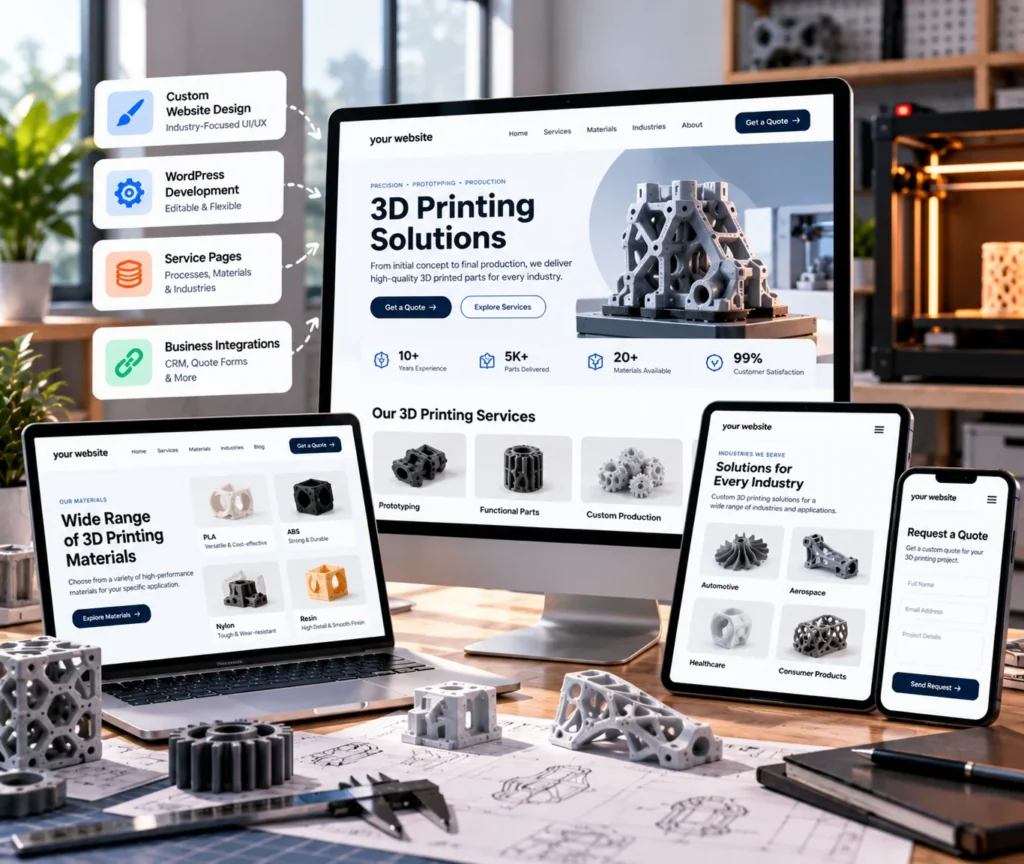
3D Printing Website Design That Makes Your Services Easy to Understand
Qrolic combines business-led planning, custom UI/UX design and WordPress development to build a website that explains what you print, which materials you use and how to request a quote.
Trusted by large companies worldwide.















Introduction
Explain Your 3D Printing Capabilities Clearly
A 3D printing website should organise services, materials, processes and applications around how customers evaluate providers, and give them a clear route to enquire.
Clarity
Flexibility
Control
Our Capabilities
- Custom UI/UX Design
- Service, Material and Process Pages
- WordPress Block Theme Development
- Dynamic Content and CMS Control
- Business Tool Integrations
- Custom Functionality Assessment
- Training, Ownership and Handover

3D Printing Website Services
Design Your 3D Printing Company Website
3D printing website design and development brings UX planning, custom design and WordPress development together, so your site is useful to customers and manageable for your team.
01
What Does the Service Include?
The service covers business-led planning, UX structure, custom UI/UX design, a custom WordPress block theme, dynamic content, CMS control, a lean plugin stack, integrations, a staging site, a management guide and live training.
02
Why Does 3D Printing Website Design Matter?
Customers need to understand what you print, which materials you use and how to request a quote. A generic layout may not organise processes, materials and applications around how buyers evaluate providers.
03
How Does the Service Address These Challenges?
We plan how visitors move between services, materials, processes, industries and enquiry options before design. WordPress development then adds dynamic content, CMS control and integrations with your existing business tools.
04
Who Is This Service For?
It suits 3D printing service bureaus, print farms, prototyping businesses and additive manufacturing companies that want clear service information and a website their team can manage as the business grows.
Our Approach
We begin with your services, materials, positioning and goals, then plan, design, build, review and hand over. Instant quoting, 3D viewers, file analysis and order management need separate confirmation and scoping.
Benefits
Benefits of a Custom 3D Printing Website
A well-planned site can present your capabilities clearly and stay easy to update. Final capabilities depend on the features and integrations agreed for the project.

Capabilities Presented Clearly
Services, materials, processes and industry applications are arranged in a clear hierarchy, so visitors can judge whether you fit their project.

A Distinctive Brand Experience
Custom design reflects your brand identity and positioning instead of fitting your business into a predefined template.

A Clear Path to Enquiry
Calls to action and enquiry forms are placed where visitors are ready to discuss a requirement or ask for a quote.

Easier Content Updates
Dynamic content and a CMS let your team add or update services, materials and images without a developer for every routine change.

Connected Business Tools
Forms, CRM platforms, newsletter tools, email services and analytics can be connected, subject to compatibility and agreed scope.

Ownership and Clear Pricing
Your website, domain, hosting and essential accounts stay under your control, and pricing is explained from the start.
Give Your 3D Printing Business a Clearer Website
Free UX Audit
Plan a website that explains your capabilities, supports quote enquiries and stays easy for your team to manage.

Our Process
Our 3D Printing Website Development Process
From understanding your business to handover and ownership, each stage combines planning, design, development and review so you can follow progress.
01
Understand Your Business
02
Plan the User Experience
03
Design a Distinctive Interface
04
Build the WordPress Website
05
Set Up Editable Content and CMS
06
Keep the Build Lean
07
Connect Tools and Add Functionality
08
Review Progress on Staging
09
Train and Hand Over Ownership
Step 01
Understand Your Business
We review your industry, audience, services, materials, service areas, positioning and goals, so the site reflects your business and not a generic template.
Step 02
Plan the User Experience
We plan the user journey, page structure, content hierarchy, navigation and calls to action, including links between materials, processes, applications and quote enquiries.
Step 03
Design a Custom Interface
We create custom UI/UX designs tailored to your brand and industry, turning the planned structure into a brand-specific visual experience.
Step 04
Build a Lean WordPress Theme
We develop a custom WordPress block theme focused on clean code, performance, security and scalability, with a focused plugin stack and custom development where suitable.
Step 05
Set Up Content Management
Appropriate elements are made dynamic and the CMS supports different page types, so your team can update services, materials, images and pages without a developer for every change.
Step 06
Connect Tools and Custom Features
We integrate CRM platforms, forms, newsletter tools, email services and analytics where supported, consider custom functionality and automation, and scope specialised quoting separately.
Step 07
Review Progress and Stay Informed
A staging website is created early so you can review progress and give feedback. Regular updates and calls explain current work, next steps and decisions needed.
Step 08
Train Your Team Before Launch
Before launch we provide a website management guide and a live training call to help your team handle routine management after handover.
Step 09
Hand Over Ownership Clearly
The website, domain, hosting and essential accounts stay under your control, with client hosting and a domain bought through your account. Pricing is transparent, with no hidden fees.
Comparison
Choose 3D Printing Website Design With Purpose
A template may suit simple needs and a limited budget. A custom WordPress build can suit businesses needing specialised service and material structures and a tailored enquiry journey.
Without Qrolic:
Without Qrolic :
- Layout may need adapting
- Branding depends on the template
- Material pages may need workarounds
- Content tools depend on the setup
- Integrations depend on extensions
- Ownership depends on the platform
- Build progress may be unclear
With Qrolic:
With Qrolic :
- Planned around your services
- Custom UI/UX tailored to your brand
- Service and material page structure
- Dynamic content and CMS control
- Integrations scoped to your tools
- Client-owned site and accounts
- Early staging and regular updates
Case Studies
See How We Build 3D Printing Websites
Qrolic’s workflow covers UX planning, custom design, WordPress development, staging reviews and handover. Discuss your project to see how it would apply to your 3D printing business.
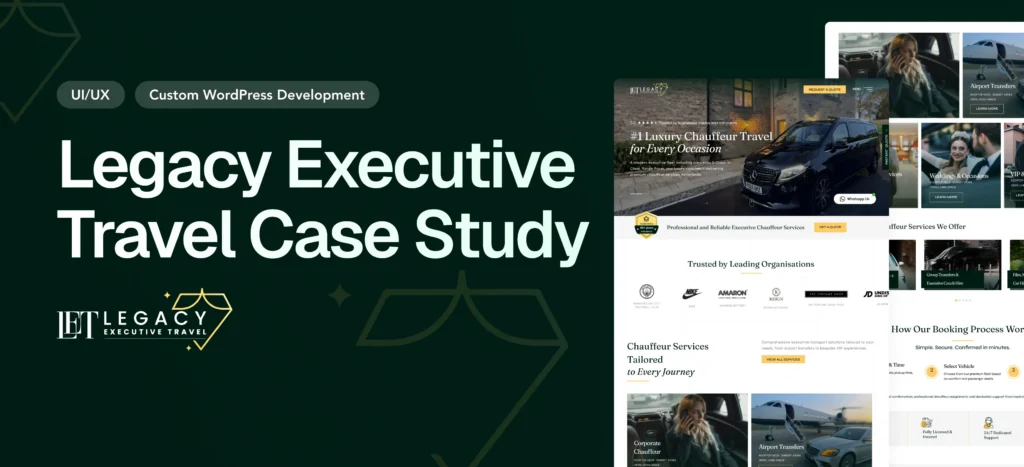
Legacy Executive Travel Website Redesign Case Study – Luxury Chauffeur Platform
Overview Legacy Executive Travel is a UK-based luxury chauffeur company…
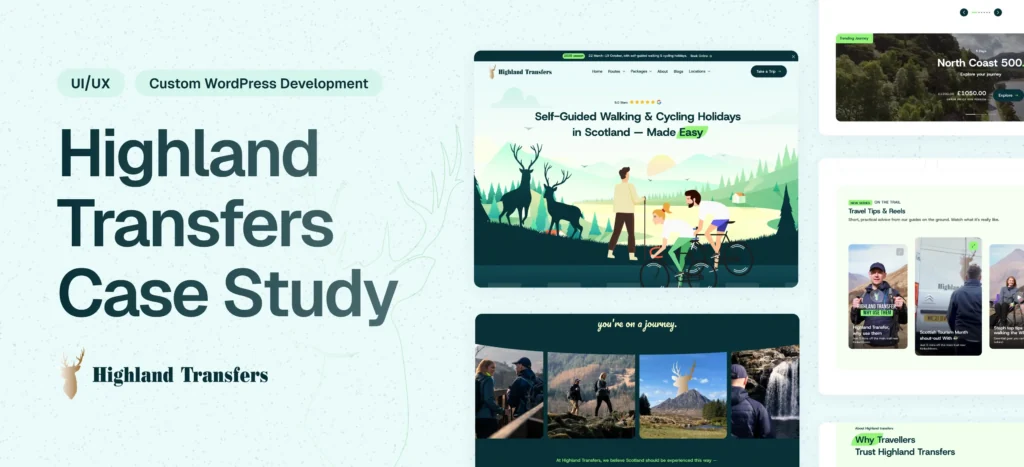
Highland Transfers Website Redesign & Development & SEO Optimization
Overview Highland Transfers is a professional transportation service offering reliable…
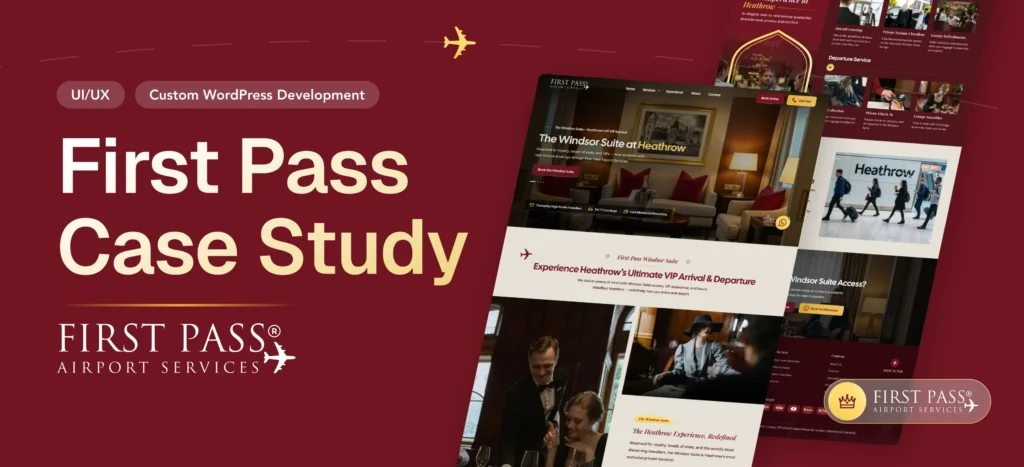
First Pass Airport Website Development & Smart Booking System
Overview First Pass Airport is a premium airport concierge service…
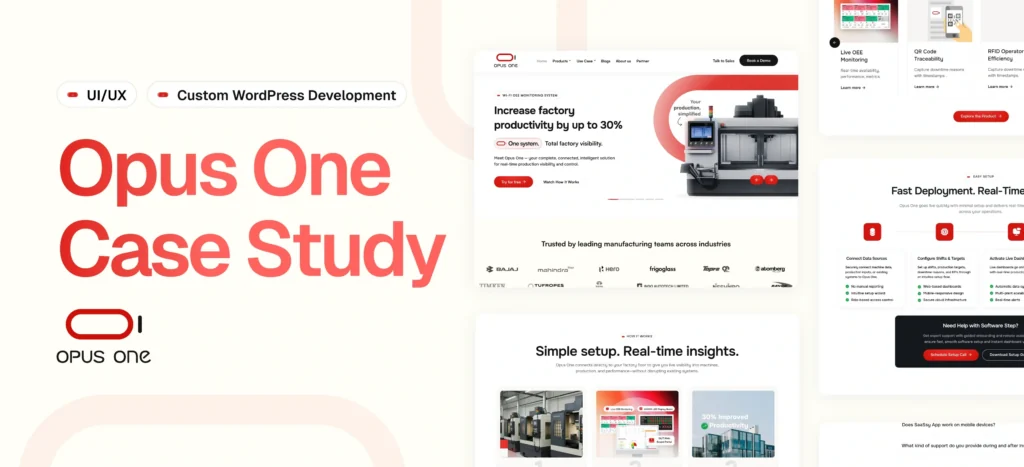
OpusOne – Scalable Product & Technology Platform
Delivered a flexible, scalable platform for managing products, sectors, and…
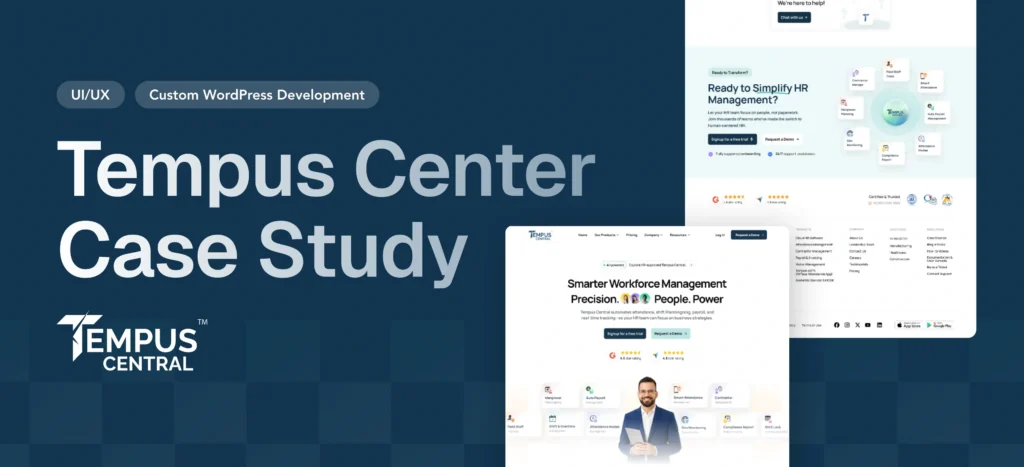
Tempus Central – HR & Workforce Management Website
Delivered a modular, scalable website with dynamic styling and seamless…
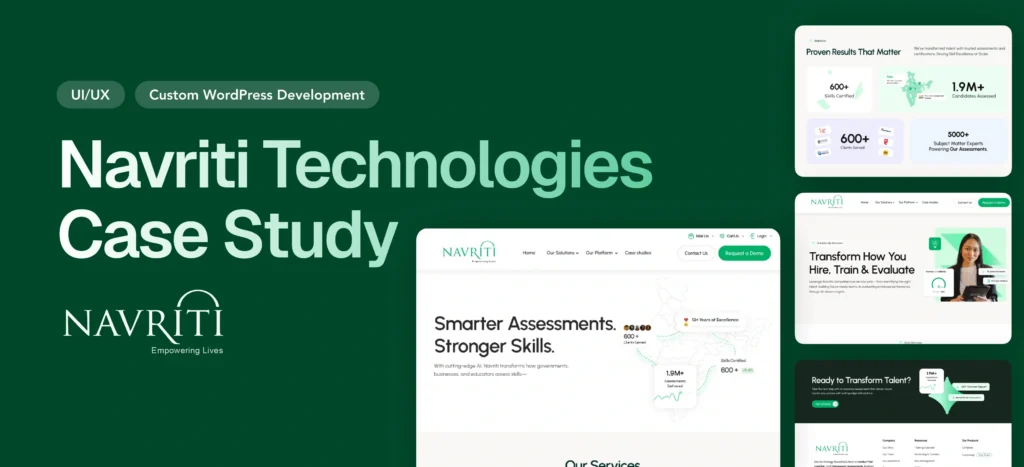
Empowering India’s Skilling Movement — Navriti Website Redesign
Navriti Technologies is leading India’s skilling and employability movement. But…
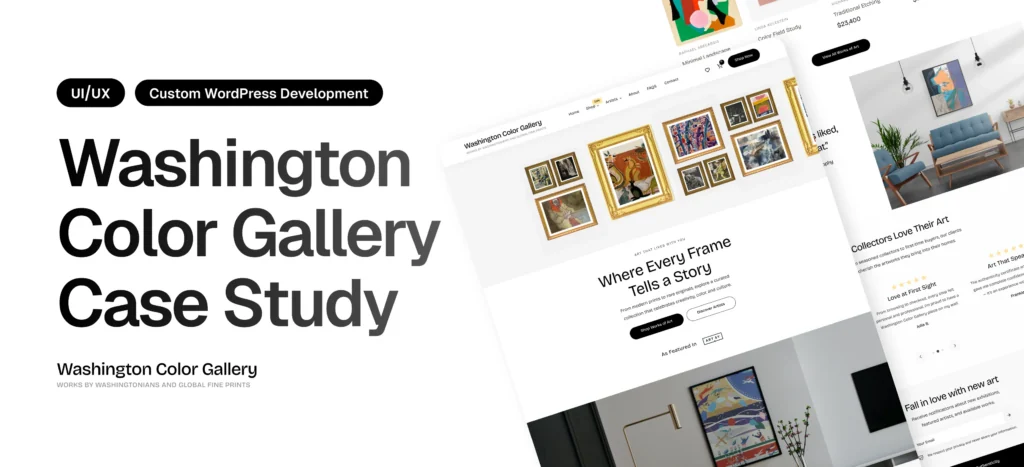
Washington Color Gallery Case Study – WordPress Redesign & Performance Optimization
Overview Washington Color Gallery is a contemporary art platform showcasing…
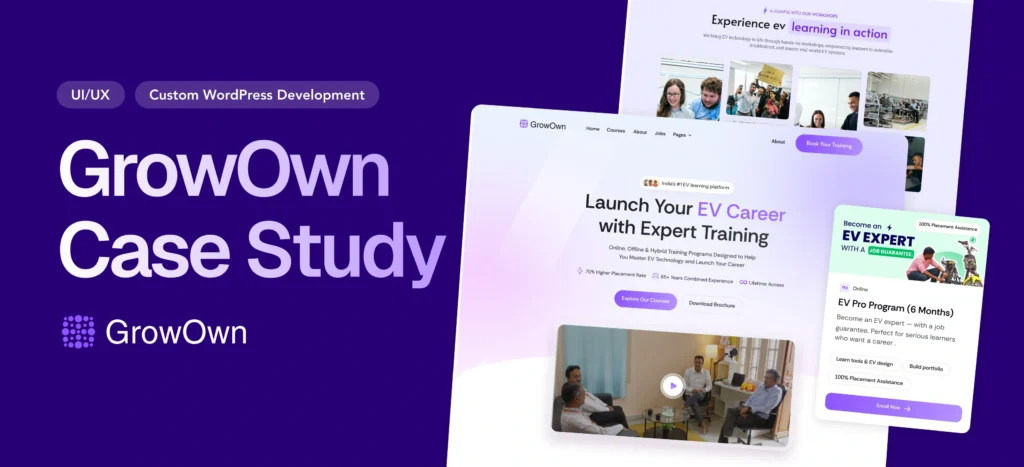
Building India’s Leading EV Learning Platform from Scratch: The Growown Success Story
Overview GrowOwn is an innovative EV (Electric Vehicle) learning platform…
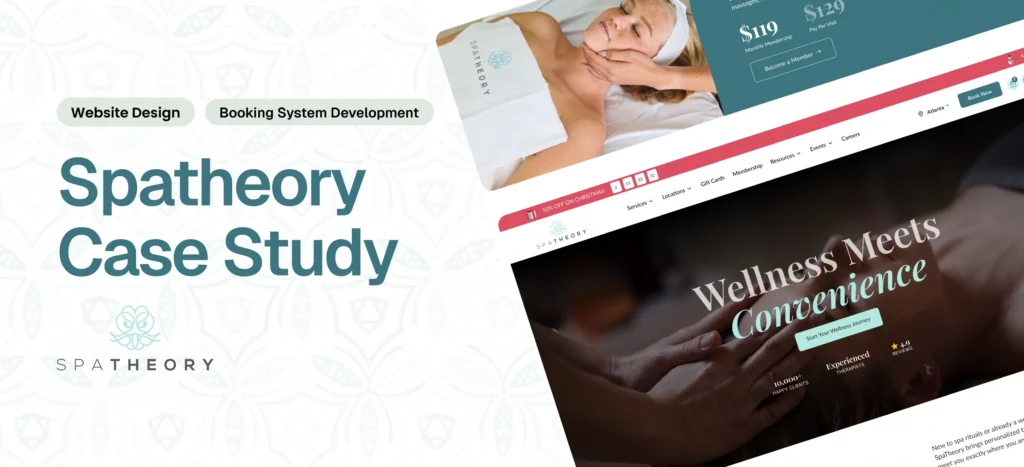
Spatheory – Luxury Spa Booking Platform Transformation
Delivered a fast, scalable platform with a seamless booking experience…
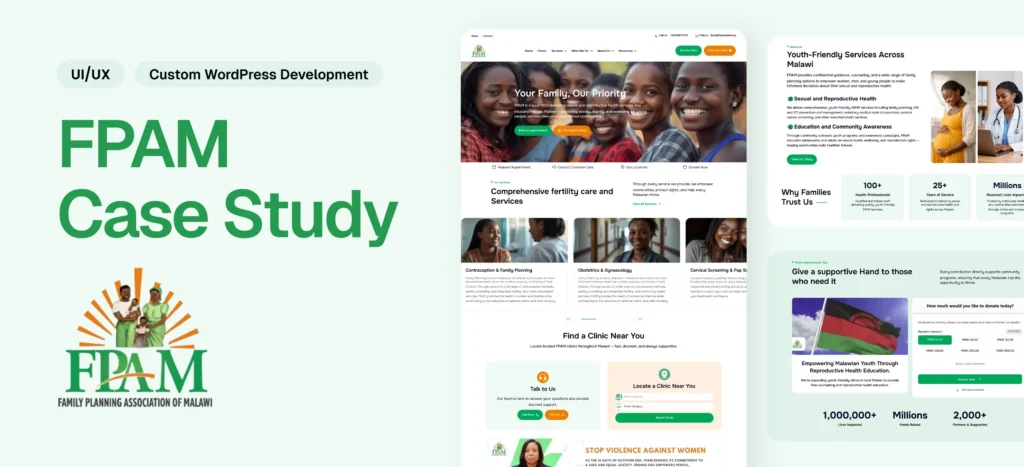
Family Planning Association of Malawi (FPAMalawi) Website Modernization
Delivered a modern healthcare platform with structured content, booking, donation,…
Why Choose Qrolic
Why Choose Qrolic for 3D Printing Websites
The site is planned around your capabilities, with custom design and a manageable WordPress build. You see progress on staging, receive training and keep ownership.
0+
Years of WordPress
Delivering top-tier digital services across design, development, and performance.
0+
Happy Clients
Serving global brands with a 95%+ satisfaction rate across industries.
0%
Client satisfaction
We’re committed to delivering solutions that truly make an impact.
0+
Team members
A strong team of experts in WordPress, web technologies, and UI/UX.
Discuss Your Project
Let’s Plan Your 3D Printing Website Project
Share your services, materials and enquiry needs so a suitable scope can be defined. Qrolic can then outline how its design and development process would apply.
Curious About the Cost? Free
Our website cost calculator is built using real
project data – no guesswork, just honest pricing.
 Message on WhatsApp
Curious About the Cost? Free
Just drop your requirements on WhatsApp, and we’ll send you an instant estimate—no forms, no waiting.
Frequently Asked Questions
Common Questions About 3D Printing Website Design
Learn what the service includes, which pages to plan, how quote enquiries and file uploads are scoped, and how ownership and SEO work.
What is included in 3D printing website design and development?
The service covers business-led planning, UX structure, custom UI/UX design, a custom WordPress block theme, dynamic content, CMS functionality, a lean plugin stack, relevant integrations and custom functionality where agreed. It also includes an early staging website, regular updates, a management guide, live training and the ownership and pricing approach. Exact deliverables depend on your requirements.
How much does a 3D printing website cost?
Cost depends on the number and type of pages, content structure, integrations and any custom functionality. Features such as specialised quoting, file uploads or 3D model visualisation may need separate scoping. Qrolic communicates pricing from the start, and a specific price needs a review of your scope.
How long does it take to build a 3D printing company website?
The timeline for 3D printing company web development depends on the agreed scope, page requirements, integrations, custom functionality and project decisions. A project-specific timeline is discussed once your requirements are understood.
Can my website accept 3D printing quote requests?
A quote-oriented journey and forms can be planned as part of the website, and forms can connect with business tools where the integration is supported and in scope. The enquiry fields and workflow are defined for your business. Instant quotes, automated pricing and specialised quoting systems are not automatically included.
Can customers upload STL or CAD files through the website?
File uploads and file-based quoting are confirmed during project planning. A standard enquiry form should not be assumed to include file validation, CAD or STL analysis, automated pricing or other specialised processing. If you need these, describe the workflow so feasibility and scope can be assessed.
Can I add new materials and services myself?
Yes. The custom WordPress block theme and CMS let your team manage content and different page types, and dynamic content makes it easier to update services, materials, images and information without a developer for every routine change. You also receive a management guide and a live training call before launch.
What pages should a 3D printing website have?
In 3D printing company web design, common options include a homepage, services page, material pages, printing process pages, industry or application pages, a quote or enquiry page, an about page and a contact page. Project or case study pages can help when approved examples are available. The right structure depends on your services and what customers need to know.
Will my 3D printing website be fast and mobile-friendly?
The development approach uses a custom WordPress block theme, clean code and a lean plugin stack to provide a lightweight technical foundation. Specific mobile design approaches, performance targets and testing standards are agreed during planning and confirmed for your project.
Will I own my website, domain and hosting?
Yes. Your website, domain, hosting and essential accounts stay under your control. The process uses client hosting and purchases the domain through your account. Confirm the precise arrangements for your project before development begins.
Can you connect the website to our CRM and email tools?
Relevant integrations can include CRM platforms, forms, newsletter tools, email services, analytics and other third-party services. The available connections depend on your existing tools, compatibility, access and agreed scope. Share the tools your team uses so the integrations can be discussed.
Can you build a 3D viewer or instant-quote system?
Custom functionality can be considered when standard WordPress features are not enough. However, 3D model viewers, instant-quote engines, file analysis and order management are not standard deliverables. They need a clear specification and separate confirmation before they can be included.
Can you help with SEO after the website launches?
Website design and development establish the structure and content foundation, but SEO is a separate service. Qrolic also offers 3D printing company SEO services for ongoing search visibility, covering strategy, keyword research, technical optimisation and monitoring.
Why choose a custom website instead of a generic template?
3D printing company website design can be planned around your services, materials, processes, audience and enquiry journey, with design, CMS structure, integrations and agreed custom functionality shaped around your requirements. A template may still suit simpler needs, so the decision should reflect your goals, budget and required functionality.
What should I look for in a 3D printing company website development agency?
Look for a clear scope, planning before development and an explanation of the technical approach. Check how integrations are handled, whether specialised features such as instant quoting are scoped separately, and what training, ownership and pricing terms apply. These details show whether the proposed approach fits your operations.