
Biotech Web Development for Complex Science and Multiple Audiences
Your website must explain complex science to investors, partners, scientists, and media. We combine UI/UX planning, distinctive design, and WordPress development around your goals and content.
Trusted by large companies worldwide.
















Introduction
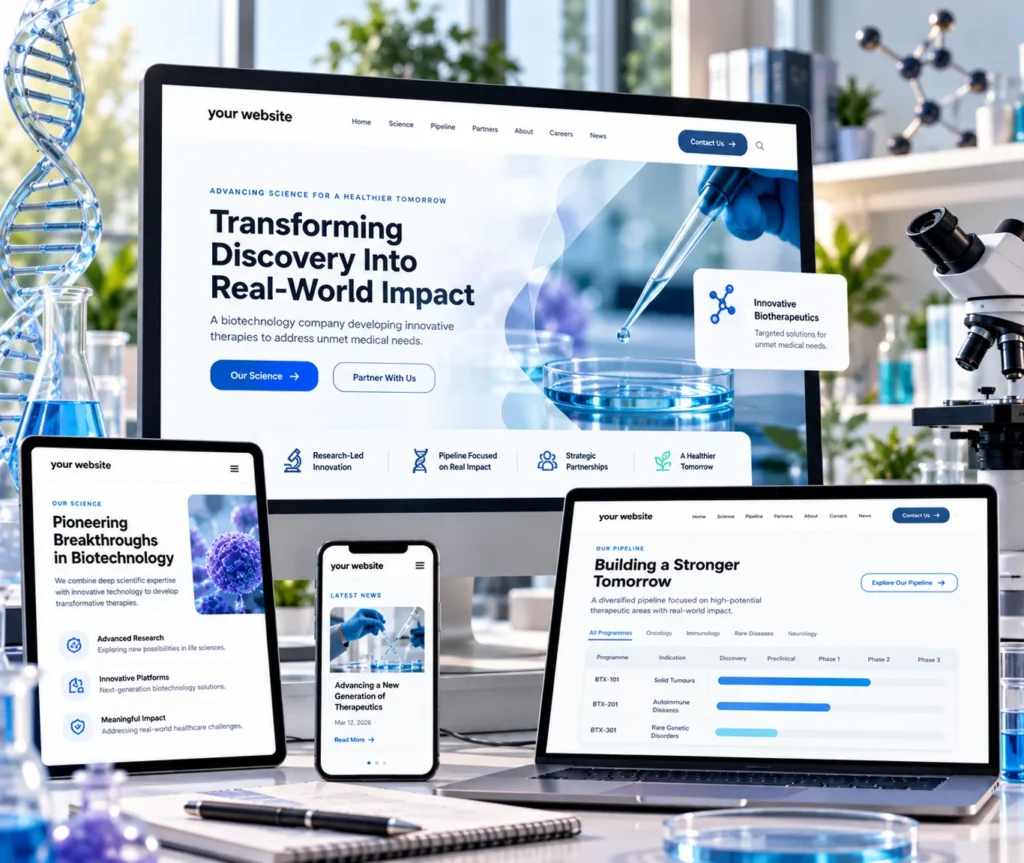
Biotech Company Website Design Built Around Your Science
Investors want value and pipeline. Partners want capabilities. Researchers want depth. A generic structure makes these journeys hard, so we plan the site around each audience.
Clarity
Structure
Control
Our Capabilities
- Business-Led UX Planning
- Custom Website Design
- WordPress Block Theme Development
- Editable Pipeline Content
- Audience-Based Journeys
- Integrations and Custom Functionality
- Staging and Handover

Biotech Website Services
Why Your Biotech Company Needs a Purpose-Built Website
A biotech site often serves audiences with different priorities. Purpose-built web design organizes complex information and keeps content easy to update as your programs change.
01
What Does Biotech Website Design and Development Include?
UX planning, custom visual design, and a working site. It may include pipeline and program pages, platform pages, leadership and advisor profiles, publications, news, careers, and enquiry paths, based on your needs.
02
What Pages Should a Biotech Company Website Have?
It depends on your organization. Common sections are a company overview, platform or science, pipeline, leadership, scientific advisors, publications, newsroom, careers, and contact, organized around your audiences.
03
Can Different Audiences Have Different Journeys?
Yes. Navigation, hierarchy, page structure, and calls to action can be planned for investors, scientists, partners, and candidates, based on the information you need to show each of them and how they search.
04
Can Qrolic Build an Editable Pipeline Page?
Dynamic elements and a full CMS can support an editable pipeline structure when planned and agreed. The exact fields, page types, and editing workflow are defined with you during scoping, before development starts.
Our Approach
We understand your company, audiences, and positioning first, then plan the experience, design it, and build the WordPress site, with staging, updates, training, and ownership. Your team approves scientific content.
Benefits
A Website Built to Explain Complex Work
A purpose-built biotech website presents your science clearly and lets your team keep pipeline and company information current.

Clearer Science Communication
Structure complex information so visitors can understand your work without oversimplified messaging.

Journeys for Each Audience
Give investors, partners, researchers, and candidates a clear route to what they need.

Editable Pipeline Content
Update programs and company information through the CMS as your work progresses.

A Distinctive Brand Presence
Custom design reflects your company instead of a generic life sciences template.

Connected Business Tools
CRM, newsletter, forms, email, and analytics can connect to your workflow.

Ownership and Control
Your website, domain, hosting, and essential accounts remain under your ownership.
Ready for a Biotech Website That Explains Your Work?
Free UX Audit
Plan a site that organizes complex science for every audience and stays easy to update.

Our Process
How We Build Your Biotech Website
Each stage builds on the last, from business planning to design, development, review, handover, and clear pricing.
01
Understand Your Business
02
Plan the User Experience
03
Design a Distinctive Interface
04
Build the WordPress Website
05
Set Up Editable Content and CMS
06
Keep the Build Lean
07
Connect Tools and Add Functionality
08
Review Progress on Staging
09
Train and Hand Over Ownership
Step 01
Understand Your Business
We learn about your science, audiences, positioning, and goals. This shapes a website for investors, partners, scientists, and candidates, not a generic template.
Step 02
Plan the User Experience
We plan the user journey, page structure, content hierarchy, navigation, and calls to action so visitors can find relevant information and move toward an enquiry.
Step 03
Design a Distinctive Interface
We create custom UI/UX tailored to your biotech company’s brand and industry instead of generic layouts, for a distinctive and professional first impression.
Step 04
Build the WordPress Website
We develop a custom WordPress block theme with clean code, performance, security, and scalability in mind, without unnecessary development overhead.
Step 05
Set Up Editable Content and CMS
We make suitable elements editable and structure WordPress CMS control for different page types, so your team can update content, images, and pages after handover.
Step 06
Keep the Build Lean
We use a focused plugin stack for essential functions and clean custom development where suitable, which avoids unnecessary dependencies.
Step 07
Connect Tools and Add Functionality
We integrate relevant CRM, newsletter, form, email, and analytics tools. Custom functionality and automation cover needs beyond standard WordPress features.
Step 08
Review Progress on Staging
An early staging website lets you see the build taking shape. Regular updates and calls keep decisions visible, so you can give feedback before launch.
Step 09
Train and Hand Over Ownership
You receive a management guide and a live training call. Your website, domain, hosting, and essential accounts stay yours, with transparent pricing and no hidden fees.
Comparison
Custom Biotech Website Versus a Generic Template
A template can suit a simple profile site. A custom build suits companies with pipelines, several audiences, frequent updates, and specific integrations.
Without Qrolic:
Without Qrolic :
- Starts from a shared template
- Structure set by the template
- Limited brand differentiation
- Editing depends on the template
- Integrations limited to add-ons
- Plugins fill functionality gaps
- Ownership depends on provider
With Qrolic:
With Qrolic :
- Design shaped around your business
- Journey planned before the build
- Custom UI/UX for your brand
- Editable CMS planned for your team
- Tools integrated per requirements
- Lean plugins, custom development
- You own site, domain, hosting
Case Studies
How We Approach Biotech Website Projects
Every biotech company has its own science and audiences. This page describes our process rather than client results, so no unverified projects or outcomes appear here.
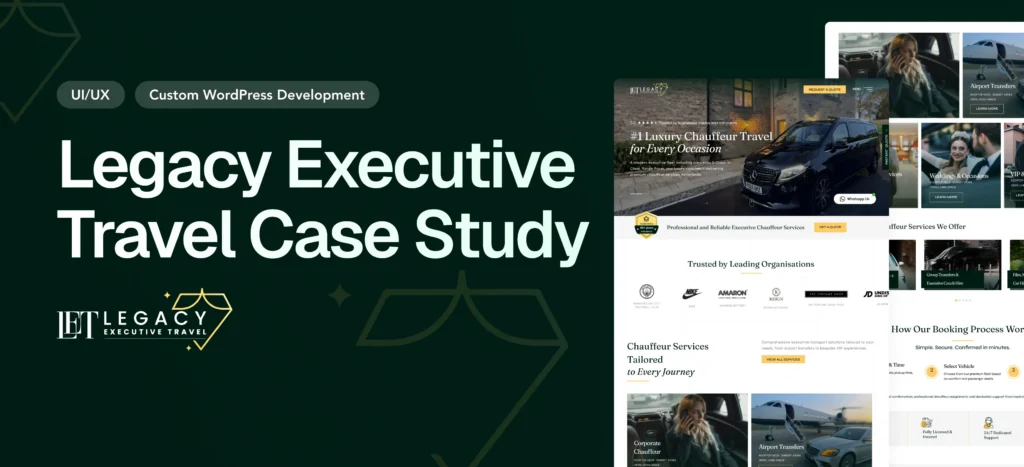
Legacy Executive Travel Website Redesign Case Study – Luxury Chauffeur Platform
Overview Legacy Executive Travel is a UK-based luxury chauffeur company…
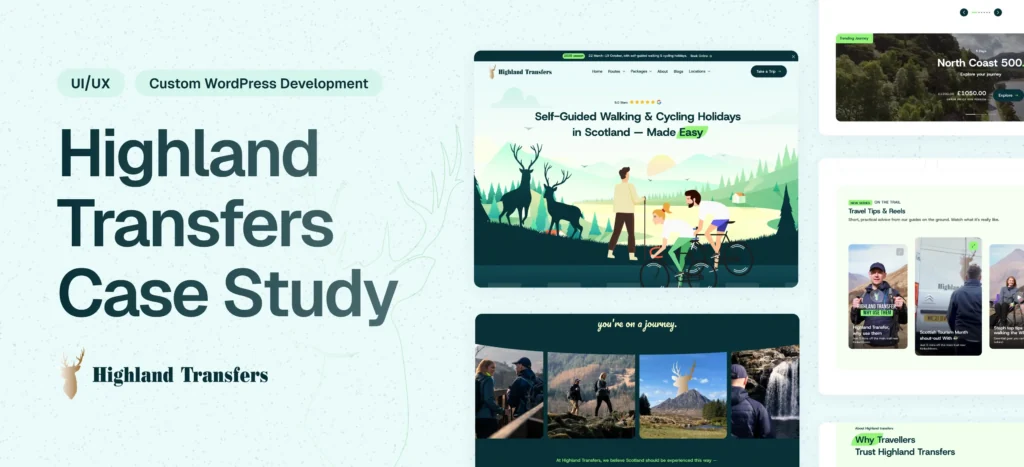
Highland Transfers Website Redesign & Development & SEO Optimization
Overview Highland Transfers is a professional transportation service offering reliable…
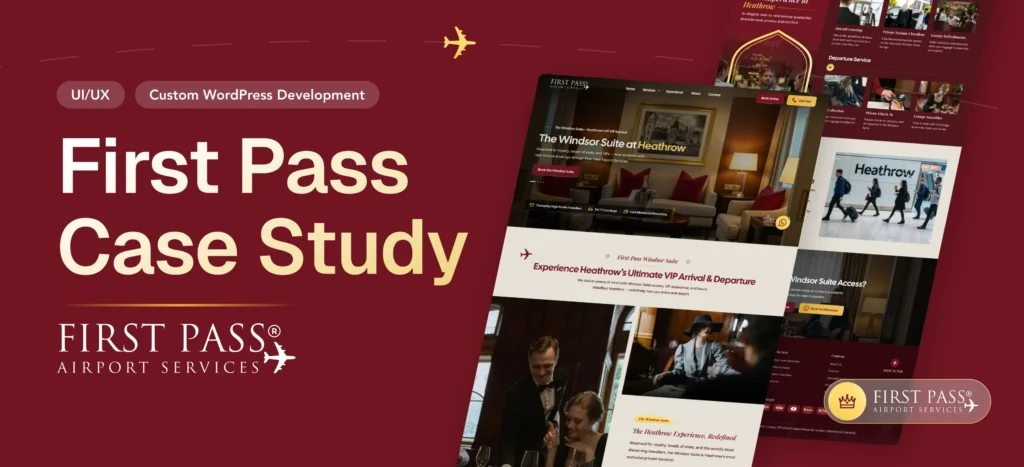
First Pass Airport Website Development & Smart Booking System
Overview First Pass Airport is a premium airport concierge service…
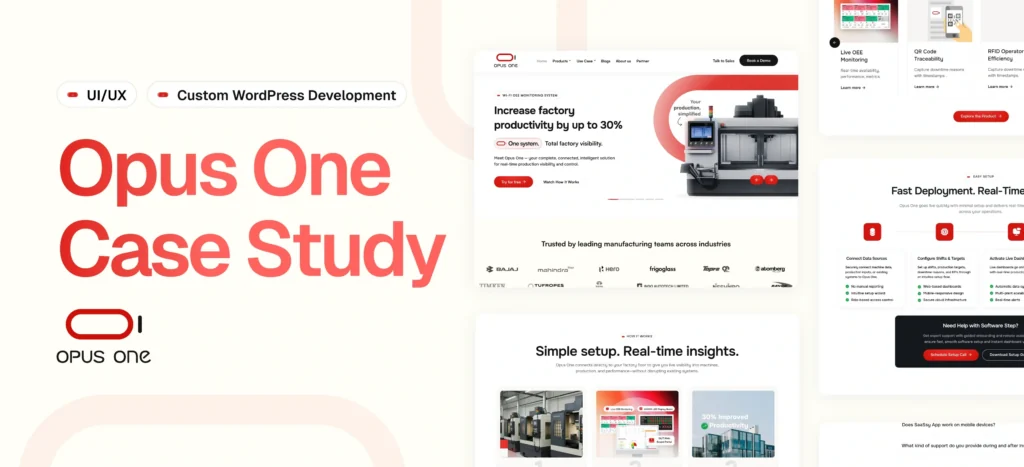
OpusOne – Scalable Product & Technology Platform
Delivered a flexible, scalable platform for managing products, sectors, and…
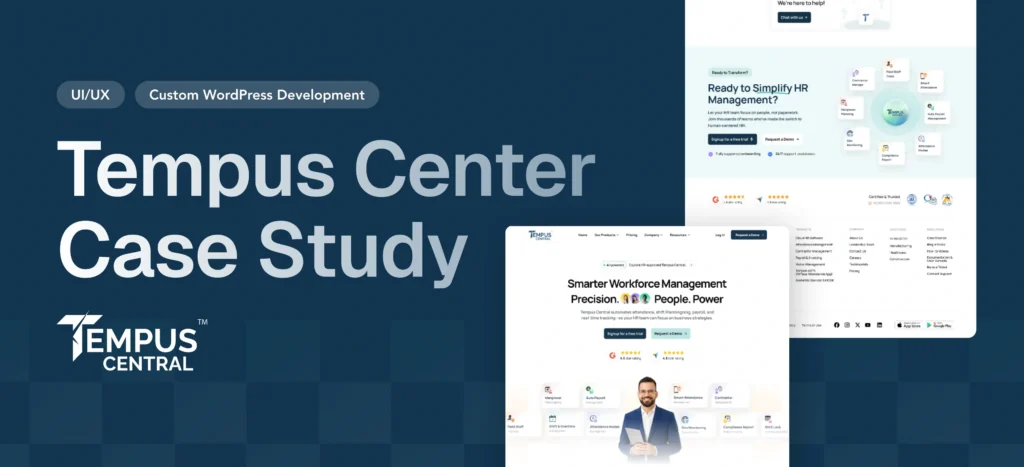
Tempus Central – HR & Workforce Management Website
Delivered a modular, scalable website with dynamic styling and seamless…
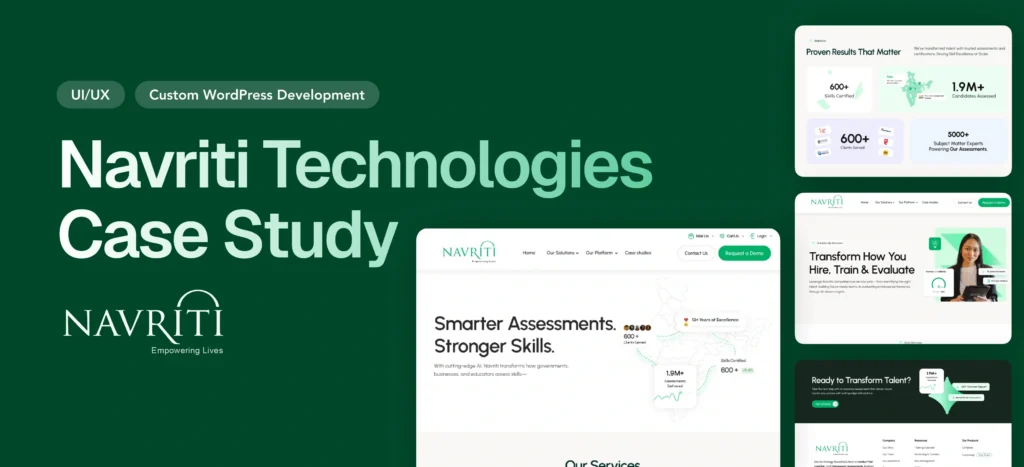
Empowering India’s Skilling Movement — Navriti Website Redesign
Navriti Technologies is leading India’s skilling and employability movement. But…
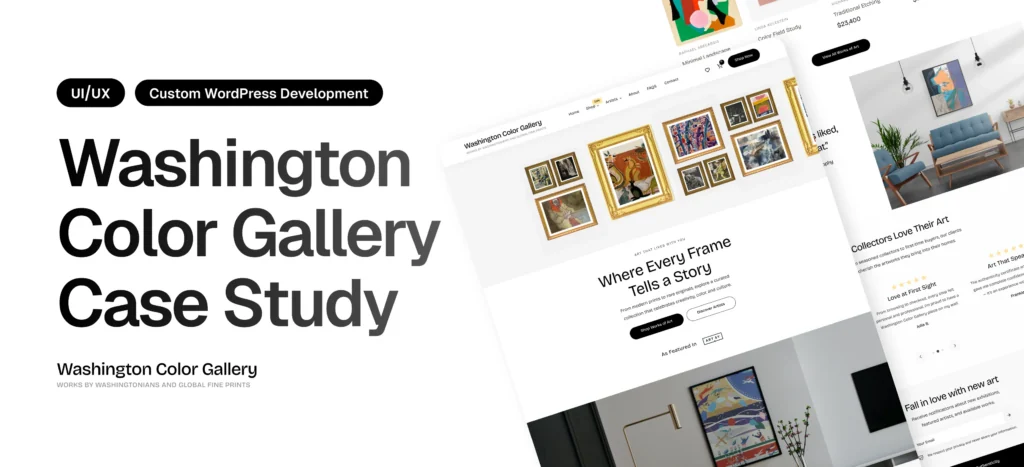
Washington Color Gallery Case Study – WordPress Redesign & Performance Optimization
Overview Washington Color Gallery is a contemporary art platform showcasing…
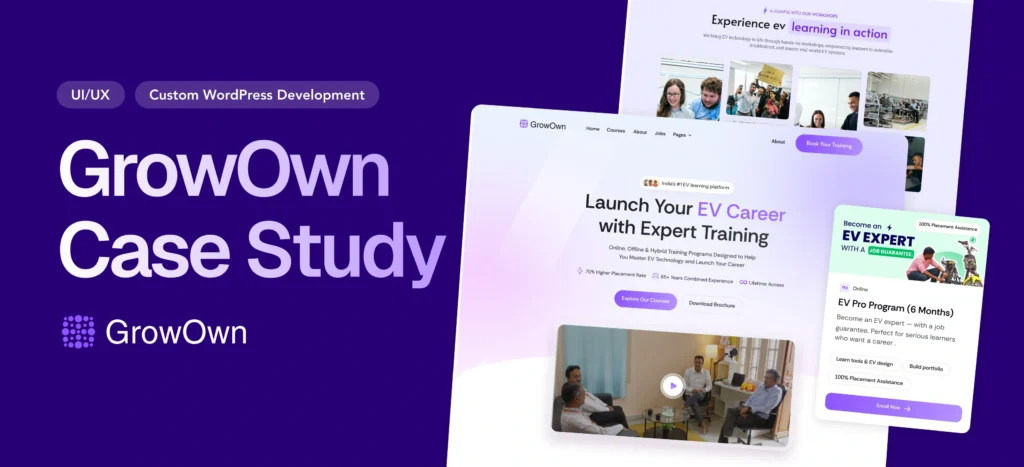
Building India’s Leading EV Learning Platform from Scratch: The Growown Success Story
Overview GrowOwn is an innovative EV (Electric Vehicle) learning platform…
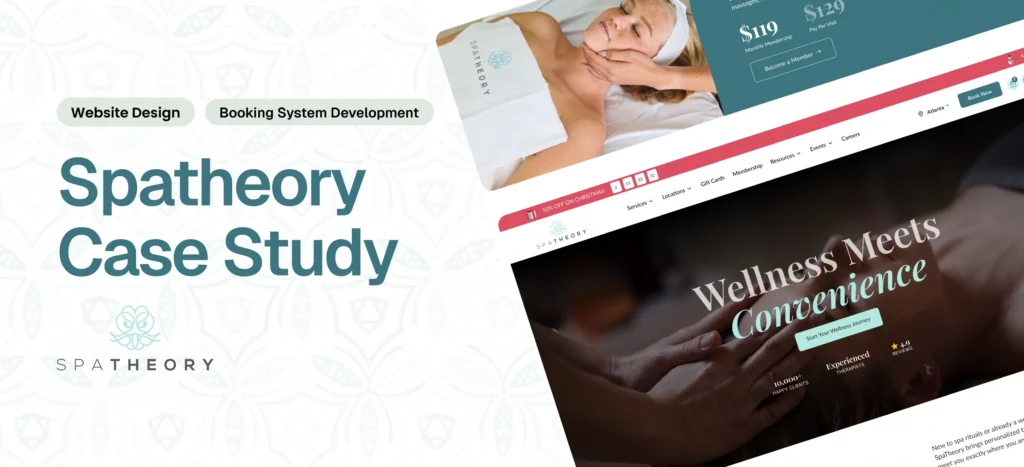
Spatheory – Luxury Spa Booking Platform Transformation
Delivered a fast, scalable platform with a seamless booking experience…
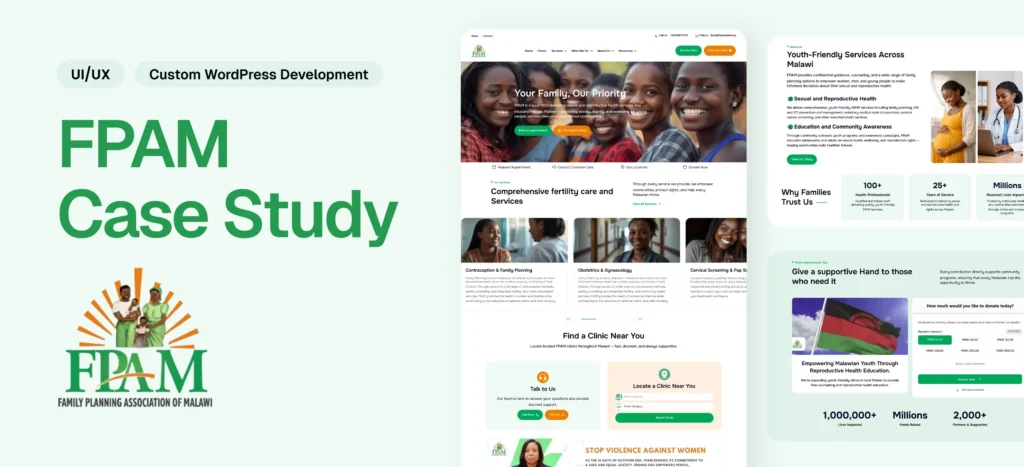
Family Planning Association of Malawi (FPAMalawi) Website Modernization
Delivered a modern healthcare platform with structured content, booking, donation,…
Why Choose Qrolic
A Website Partner Focused on Control and Clarity
Qrolic combines custom WordPress development with transparent communication. You review progress, learn to manage the site, and keep ownership of your digital assets
0+
Years of WordPress
Delivering top-tier digital services across design, development, and performance.
0+
Happy Clients
Serving global brands with a 95%+ satisfaction rate across industries.

0%
Client satisfaction
We’re committed to delivering solutions that truly make an impact.
0+
Team members
A strong team of experts in WordPress, web technologies, and UI/UX.
Start Your Project
Let’s Plan Your Biotech Website
Tell us about your company, audiences, and what you want the website to do. We can discuss design, WordPress development, CMS, and integrations.
Curious About the Cost? Free
Our website cost calculator is built using real
project data – no guesswork, just honest pricing.
 Message on WhatsApp

Curious About the Cost? Free
Just drop your requirements on WhatsApp, and we’ll send you an instant estimate—no forms, no waiting.
Frequently Asked Questions
Biotech Website Design and Development FAQs
Learn what the service includes, what it does not, and what to prepare before starting.
What Does Biotech Web Design and Development Include?
Planning the user experience, creating a custom visual design, and building a working website. Biotech company web design and biotech company web development can add pipeline and platform pages, leadership profiles, publications, careers, and enquiry paths.
What Is the Most Important Page on a Biotech Website?
No single page suits every company. A pipeline or program page may matter when visitors must understand your development programs, while platform, leadership, or company pages can matter more elsewhere.
What Does Biotech Company Website Development Include?
Biotech company website development covers a custom WordPress block theme, dynamic elements, a full CMS, a lean plugin stack, integrations, and custom functionality where scoped.
Does Qrolic Write Scientific Content or Review Regulatory Claims?
No. Scientific writing and regulatory, medical, or legal review are not included. Your company provides or approves scientific content and ensures claims are reviewed by the right people.
Can the Website Include CRM, Newsletter, and Enquiry Form Integrations?
Suitable integrations with CRM platforms, newsletter tools, forms, email services, and analytics can be planned. The specific tools and scope are defined during planning.
How Much Does Biotech Web Development Cost, and How Long Does It Take?
Both depend on scope, page types, content structures, custom functionality, integrations, content readiness, and stakeholder review. Pricing is straightforward from the start, and a timeline is set after requirements are discussed.
Will Our Team Be Able to Update the Website After Launch?
Yes. Suitable elements are editable through WordPress, and you receive a management guide and a live training call before launch.
Will We Own Our Website, Domain, and Hosting?
Yes. They stay under your ownership. Qrolic works with your hosting and arranges the domain through your account.
Does Qrolic Provide Ongoing Website Maintenance?
A management guide and live training come before launch. Ongoing maintenance or post-launch support is not part of this service as described, so discuss it separately.
Will Redesigning Our Biotech Website Affect Search Visibility?
It can if URLs, useful content, or redirects are not handled properly. Review these during planning. SEO is a separate service.
What Do You Need From Our Biotech Company to Get Started?
Company information, audience priorities, positioning, approved scientific content, branding assets, and an outline of the sections you need. Also decide who reviews content and who manages the site.