Child Therapist Website Design for Parent-Friendly Sites
Parents need clear answers before contacting a therapist. Qrolic designs and develops custom websites that make services, next steps, and practice information easier to understand.
Trusted by large companies worldwide

















Introduction
Websites Built Around Parent Decisions
A child therapy website needs to speak to parents while reflecting a warm, professional environment for children. Qrolic combines planned UX, custom design, and WordPress development.
Clarity
Control
Ownership
Our Capabilities
- Parent-Focused UX Planning
- Custom UI/UX Design
- Custom WordPress Development
- Editable CMS Elements
- Lean Plugin Stack
- Third-Party Integrations
- Custom Functionality

Our Service
A Complete Website From UX to Build
A child therapist website should make the practice easy to understand, simple to manage, and ready to support everyday business workflows.
01
What Does the Service Include?
Qrolic combines business discovery, UX planning, custom UI/UX, WordPress development, editable content, integrations, custom functionality, staging, training, and ownership. The approach connects planning, design, and development rather than treating them as separate services.
02
Why Does This Service Matter?
Parents often need to understand services, ages served, the practice approach, and how to begin before making contact. A planned website structure helps organize this information into clearer journeys, navigation, hierarchy, and calls to action.
03
How Does It Solve the Problem?
The process starts with the business and audience before moving into UX and visual design. A custom WordPress block theme, editable elements, focused plugins, integrations, and custom functionality then turn the planned experience into a manageable website.
04
Who Is This Service For?
The service is designed for independent child therapists and small practices that need a professional website they can manage themselves. It can also support multi-clinician child and family therapy centers that need editable content and a consistent structure.
Our Approach
Qrolic follows a 15-stage process, beginning with business-focused planning and user experience, then moving through custom design, WordPress development, CMS control, integrations, functionality, staging, communication, training, ownership, and straightforward pricing.
Benefits
Built For Clarity, Control, and Growth
A carefully planned website can make information easier to navigate while giving practices more control over everyday website updates.

Clearer Parent Journeys
UX planning organizes navigation, hierarchy, and calls to action around how parents explore services and decide what to do next.

Custom Digital Experience
Custom UI/UX avoids generic layouts and creates a website shaped around the practice, its audience, and its positioning.

Easier Content Management
Dynamic elements and a full CMS allow clients to update website content without depending on a developer for routine changes.

Leaner Website Foundation
A custom WordPress block theme and focused plugin stack provide a more controlled foundation for the website.

Connected Workflows
Supported third-party integrations can connect forms, email, CRM, newsletter, analytics, and other business tools.

Greater Ownership
The website, domain, hosting, and accounts remain client-owned, with a management guide and live training call for handover.
Ready for a More Purposeful Therapy Website?
Free UX Audit
Bring your practice goals, audience needs, and website requirements into one structured process.

Our Process
How The Process Works
The 15-stage workflow connects planning, design, development, management, and ownership. The key stages below preserve that sequence while grouping related steps.
01
Design Around Your Business
02
Create a Guided Experience
03
Build a Distinctive Design
04
Develop the WordPress Website
05
Make Content Easier to Manage
06
Connect Tools and Functionality
07
Support Better Workflows
08
Prepare You for Ownership
09
Keep Pricing Straightforward
Step 01
Design Around Your Business
The process starts with your business, audience, specialties, and positioning. This creates a website direction based on the practice rather than a template.
Step 02
Create a Guided Experience
Qrolic plans journeys, structure, hierarchy, navigation, and calls to action. Parents get clearer paths from understanding the practice to making contact.
Step 03
Build a Distinctive Design
Custom UI/UX gives the website a professional visual experience shaped around the practice. The goal is warm without becoming overly playful.
Step 04
Develop the WordPress Website
A custom WordPress block theme forms the development foundation. The approach supports clean code, performance, security, and scalability as verified in the supplied process.
Step 05
Make Content Easier to Manage
Dynamic elements and full CMS control let clients manage website content. This can include changing services, staff information, pages, and other editable content.
Step 06
Connect Tools and Functionality
A lean plugin stack keeps the website focused, while integrations and custom functionality support practice-specific requirements without forcing standard workarounds.
Step 07
Support Better Workflows
Automation opportunities are considered where appropriate. An early staging site, regular updates, and calls provide visibility during development.
Step 08
Prepare You for Ownership
Before launch, Qrolic provides a management guide and live training call. Website, domain, hosting, and account ownership remain with the client.
Step 09
Keep Pricing Straightforward
The process closes with transparent pricing and no hidden fees. The goal is to give the client clearer control over the website relationship.
Comparison
Why Child Therapist Website Design Needs Context
Generic website approaches may overlook how parents evaluate therapy services. A specialized process can organize the website around the practice, audience, and management needs.
Without Qrolic:
Without Qrolic :
- Generic website structure
- Template-based visual direction
- Limited planning before build
- Developer-dependent content changes
- Unfocused plugin approach
- Separate tools and workflows
- Less control over ownership
With Qrolic:
With Qrolic :
- Business-focused website planning
- Custom UI/UX experience
- Planned journeys and navigation
- Editable CMS content
- Lean plugin stack
- Connected business integrations
- Client-owned website assets
Case Studies
Verified Project Evidence Matters
No child-therapy case studies, client results, testimonials, or performance statistics were supplied for this page. The service content therefore focuses only on verified Qrolic capabilities and process information.

Custom Checkout.com Payment Gateway Integration for WordPress & Gravity Forms
Overview The client required a more advanced Checkout.com payment solution…

Legacy Executive Travel Website Redesign Case Study – Luxury Chauffeur Platform
Overview Legacy Executive Travel is a UK-based luxury chauffeur company…
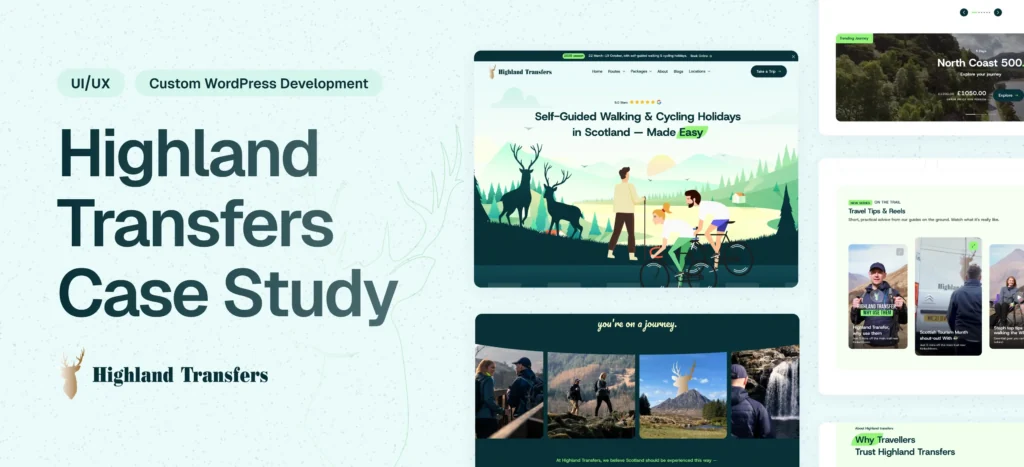
Highland Transfers Website Redesign & Development & SEO Optimization
Overview Highland Transfers is a professional transportation service offering reliable…

First Pass Airport Website Development & Smart Booking System
Overview First Pass Airport is a premium airport concierge service…
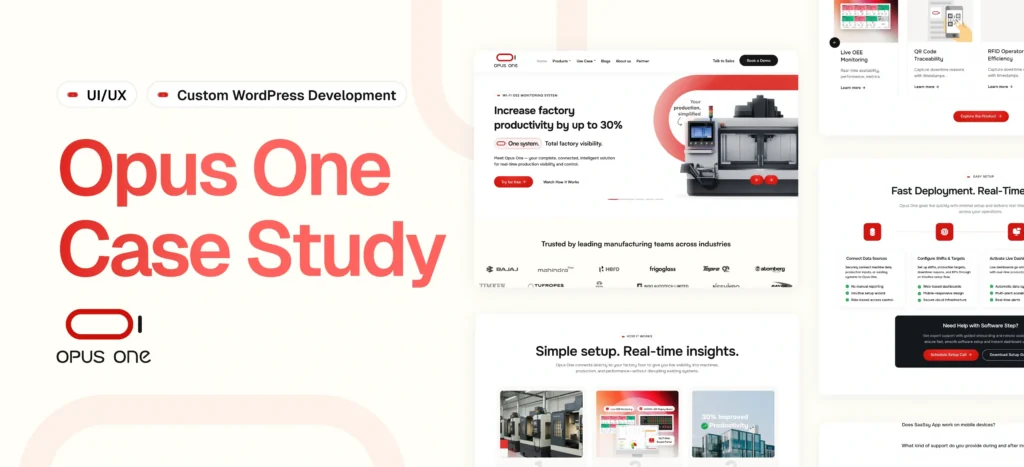
OpusOne – Scalable Product & Technology Platform
Delivered a flexible, scalable platform for managing products, sectors, and…
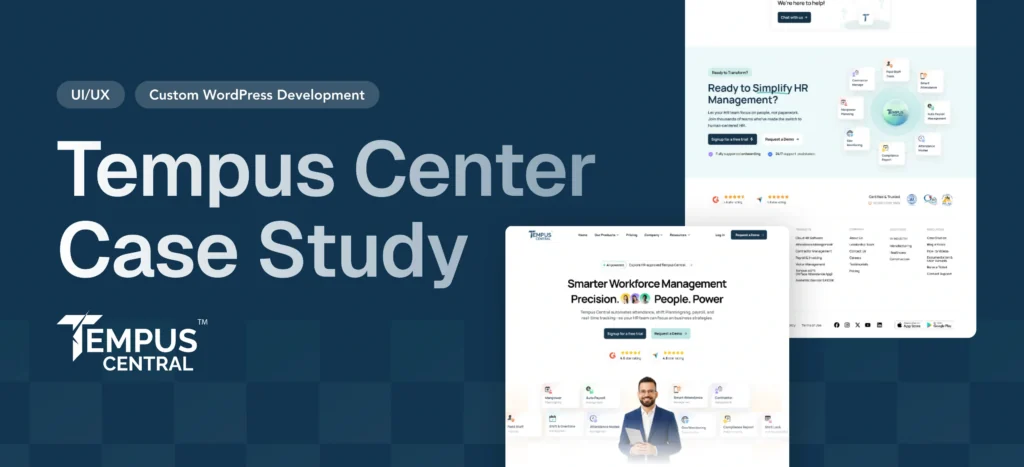
Tempus Central – HR & Workforce Management Website
Delivered a modular, scalable website with dynamic styling and seamless…
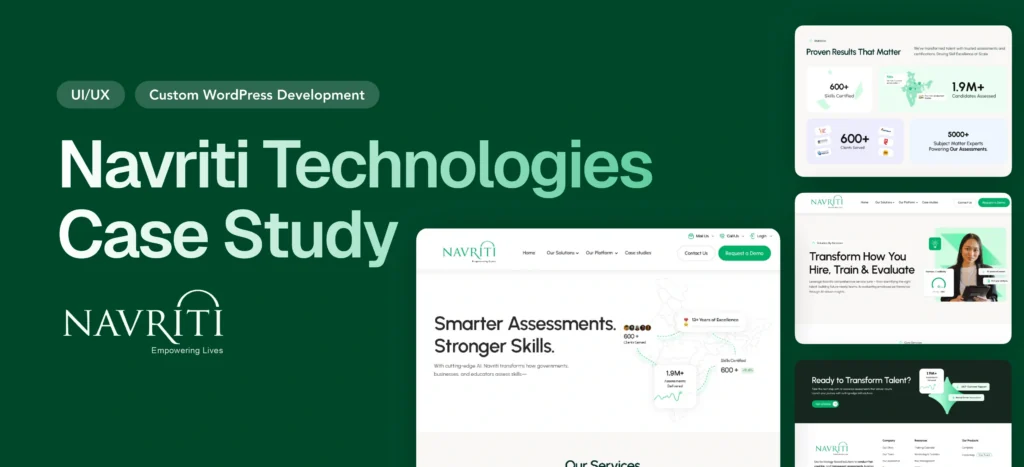
Empowering India’s Skilling Movement — Navriti Website Redesign
Navriti Technologies is leading India’s skilling and employability movement. But…
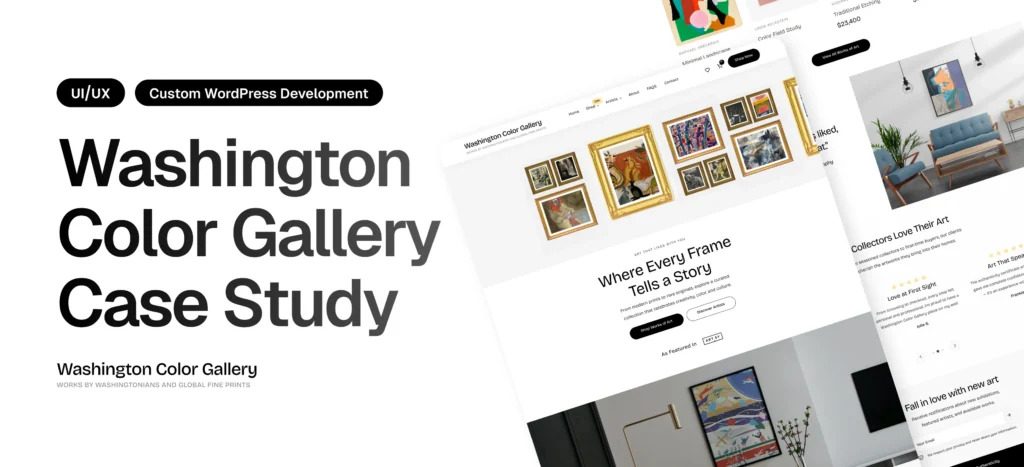
Washington Color Gallery Case Study – WordPress Redesign & Performance Optimization
Overview Washington Color Gallery is a contemporary art platform showcasing…

Building India’s Leading EV Learning Platform from Scratch: The Growown Success Story
Overview GrowOwn is an innovative EV (Electric Vehicle) learning platform…
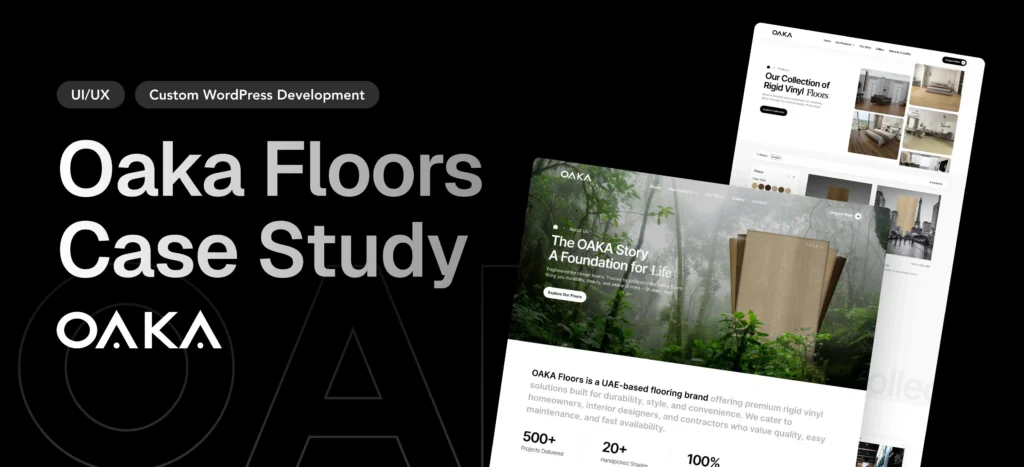
Premium Digital Experience That Matches OAKA’s Luxury Flooring Standards
Overview OAKA is a premium luxury flooring brand focused on…
Why Choose Qrolic
Built For Child Therapy Website Needs
Qrolic combines custom UX, website design, WordPress development, client management, and ownership into one connected website process.
0+
Years of WordPress
Delivering top-tier digital services across design, development, and performance.
0+
Happy Clients
Serving global brands with a 95%+ satisfaction rate across industries.

0%
Client satisfaction
We’re committed to delivering solutions that truly make an impact.
0+
Team members
A strong team of experts in WordPress, web technologies, and UI/UX.
Start Your Project
Build a Website Around Your Practice
A focused website can bring your practice information, parent journeys, design, development, and content management into one structured experience.
Curious About the Cost? Free
Our website cost calculator is built using real
project data – no guesswork, just honest pricing.


Curious About the Cost? Free
Just drop your requirements on WhatsApp, and we’ll send you an instant estimate—no forms, no waiting.
Frequently Asked Questions
Child Therapist Website Questions
Choosing a website partner involves more than visual design. These answers explain the supplied service scope, development approach, ownership, and process.
What does a child therapist website need?
A child therapy website should clearly explain the practice, services, relevant audience information, and next steps. Qrolic approaches this through planned UX, navigation, hierarchy, calls to action, custom UI/UX, and WordPress development.
Can I manage the website myself?
Yes. The supplied service includes dynamic editable elements, full CMS control, a management guide, and a live training call. These are intended to help clients manage their website themselves.
How is child therapist website development handled?
Qrolic uses a custom WordPress block theme with a lean plugin stack. The verified process also includes integrations, custom functionality, automation opportunities, an early staging site, progress updates, and calls.
Will I own my website and domain?
Yes. Client ownership is part of the verified Qrolic process. The website, domain, hosting, and accounts remain with the client rather than being retained by the service provider.
Can the website connect with other tools?
The supplied service supports third-party integrations including CRM, newsletter, forms, email, analytics, and other third-party tools. Specific therapist integrations such as telehealth or EHR systems were not verified for this service.
How does Qrolic approach website design?
Qrolic begins with business and audience planning before creating the user experience and visual design. The process then connects custom UI/UX with WordPress development, editable content, integrations, staging, training, ownership, and transparent pricing.