Higher Education Website Design That Supports Prospective Students
Help prospective students explore programs and take the next step toward enrollment. Qrolic brings design and development together for colleges and universities.
Trusted by large companies worldwide.















Introduction
Your Website Is Part of the Enrollment Journey
Prospective students use institutional websites to judge whether a college or university fits them. Clear programs, costs, admission requirements, and outcomes help them decide.
Enrollment
Accessibility
Control
Our Capabilities
- Enrollment-Focused Information Architecture
- Program Page Design
- Mobile-First Layouts
- Accessibility-Conscious Design
- International Student Pages
- CMS Implementation
- Application and Inquiry Forms
- Structured Content and Schema
- Performance Optimization

Higher Education Web Services
A Complete Website Service for Higher Education
Qrolic brings design and development together to make complex academic information easier to navigate and to give institutional teams greater control over website content.
01
What Does the Service Include?
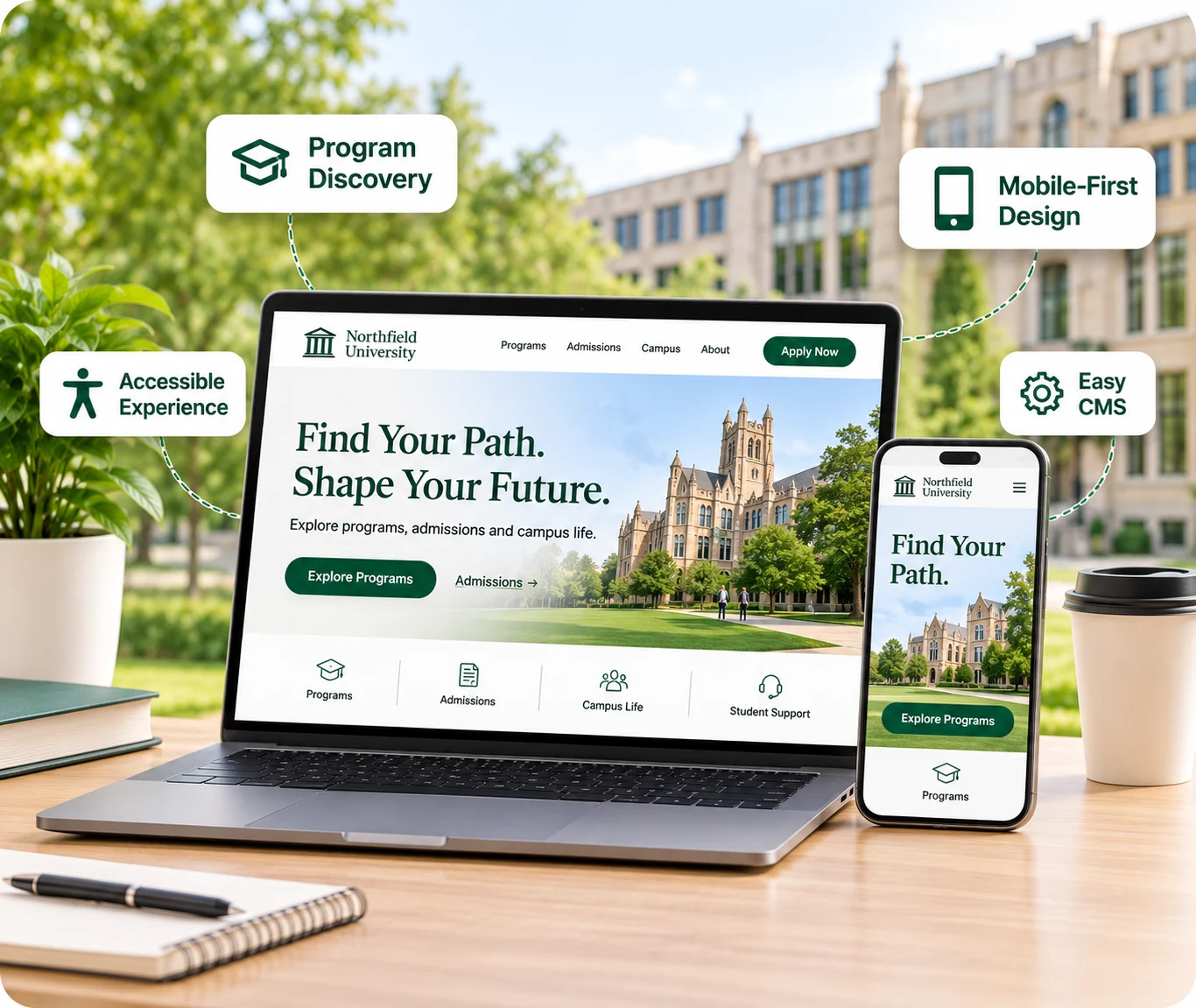
The service covers enrollment-focused information architecture, program page design, mobile-first layouts, accessibility-conscious design, CMS implementation, application and inquiry forms, and performance optimization.
02
Why Does Your Website Matter?
EAB research found that 81% of Gen Z and millennial respondents said a college’s website helped them judge whether the school was a good fit. Hard-to-find programs, costs, and admission requirements can create barriers.
03
How Does the Service Address These Challenges?
Qrolic organizes navigation around the questions students ask, builds reusable program templates, and implements a suitable CMS so institutional teams can manage routine content updates without a developer for every change.
04
Who Is This Service For?
The service suits private colleges, public universities, community colleges, technical and professional institutes, international branch campuses, and the marketing, enrollment, and IT teams that manage their websites.
Our Approach
Qrolic follows a four-step process: Discovery & Strategy, UX/UI Design & Prototyping, Development & Integration, and Testing & Launch.
Each step involves your stakeholders and ends with a clear outcome before the next begins.
Benefits
Build a Website Around Student Decisions
A well-planned website brings information architecture, design, development, and accessibility together so students find what they need and teams can maintain it.

Clearer Program Discovery
Organize navigation and program pages around how students search. Help visitors find and compare academic offerings.

Consistent Program Pages
Use reusable templates for undergraduate, postgraduate, and professional programs. Keep structure consistent across departments.

Mobile-Friendly Experience
Responsive layouts and forms support visitors on smartphones, tablets, and desktops. Important actions stay usable on smaller screens.

Accessibility Considered Throughout
Consider keyboard navigation, color contrast, and form labels during design and testing. Accessibility is part of the process, not a final adjustment.

Clearer International Guidance
Organize country-specific requirements, application steps, and support information into clear sections for overseas applicants.

Easier Content Management
A suitable CMS with reusable templates supports routine updates, with training and handover for your team.
Make Your Website Part of a Better Enrollment Experience
Free UX Audit
Help prospective students find programmes, explore admission information, and navigate their journey with a website designed around their needs.

Our Workflow
Our College and University Website Development Process
A structured four-step process keeps institutional goals, stakeholders, technical requirements, and content responsibilities aligned.
01
Discovery & Strategy
02
UX/UI Design & Prototyping
03
Development & Integration
04
Testing & Launch
Step 01
Discovery & Strategy
We begin by understanding your institution, audiences, programs, enrollment goals, accessibility requirements, and existing website. Your team shares goals, brand guidelines, and technical requirements, so the project direction matches your objectives.
Step 02
UX/UI Design & Prototyping
We plan navigation, enrollment-focused user journeys, reusable program templates, and mobile and desktop designs. Your departments review the designs and give feedback, creating an approved direction for development.
Step 03
Development & Integration
We set up the CMS, build responsive templates, forms, and agreed integrations, and apply accessibility, schema, and performance work. You provide approved content and review functionality as it develops.
Step 04
Testing & Launch
We test across devices and browsers and check forms, navigation, accessibility within the agreed scope, and performance. Your team gives final approval and takes part in the CMS training and handover.
Comparison
Why Higher Education Websites Need a Specialist Approach
Generic websites often bury programs, costs, and admission steps. A higher education approach organizes information around student decisions and institutional teams.
Without Qrolic:
Without Qrolic :
- Programs hard to find or compare
- Costs and deadlines hard to find
- Difficult to use on mobile
- Inconsistent program pages
- Staff depend on developers
- Accessibility treated late
- International guidance missing
- Hard-to-complete forms
With Qrolic:
With Qrolic :
- Consistent program page structures
- Clear fees, deadlines, next steps
- Responsive, mobile-friendly layouts
- Reusable academic templates
- CMS with handover training
- Accessibility-conscious process
- Clear international sections
- Clearer application flows
Case Studies
Explore Qrolic’s Higher Education Approach
This page does not present unverified higher education case studies, testimonials, or results. Each project is scoped around the institution’s requirements.
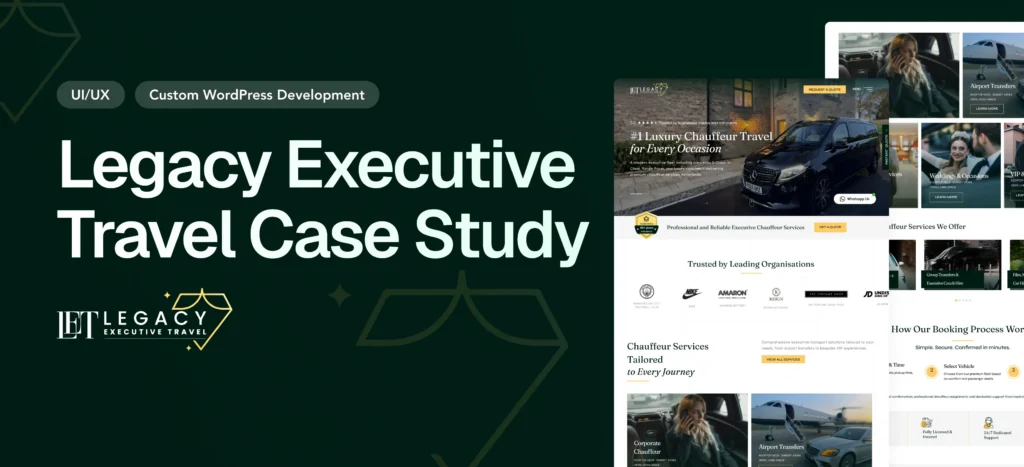
Legacy Executive Travel Website Redesign Case Study – Luxury Chauffeur Platform
Overview Legacy Executive Travel is a UK-based luxury chauffeur company…
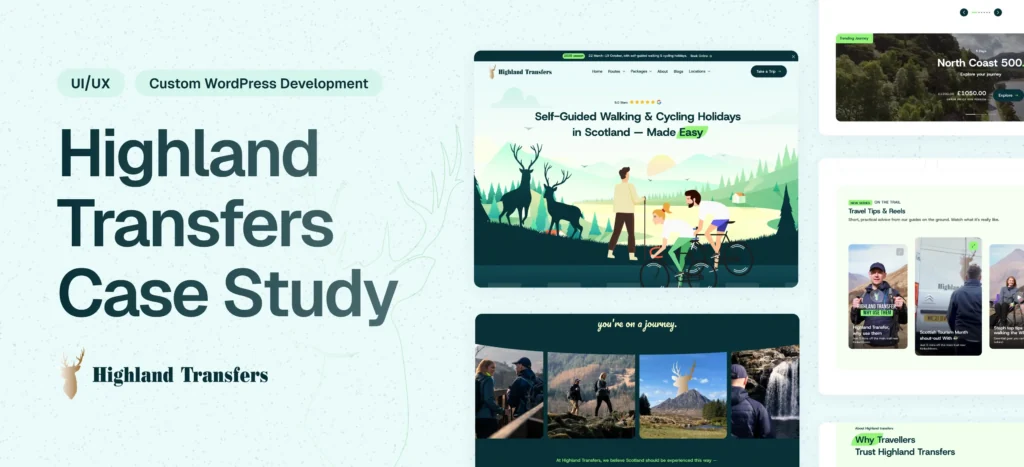
Highland Transfers Website Redesign & Development & SEO Optimization
Overview Highland Transfers is a professional transportation service offering reliable…
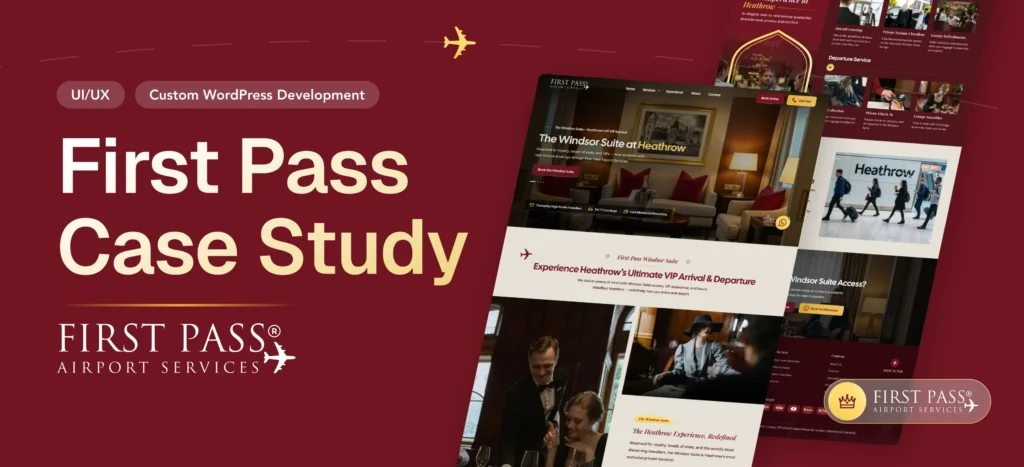
First Pass Airport Website Development & Smart Booking System
Overview First Pass Airport is a premium airport concierge service…
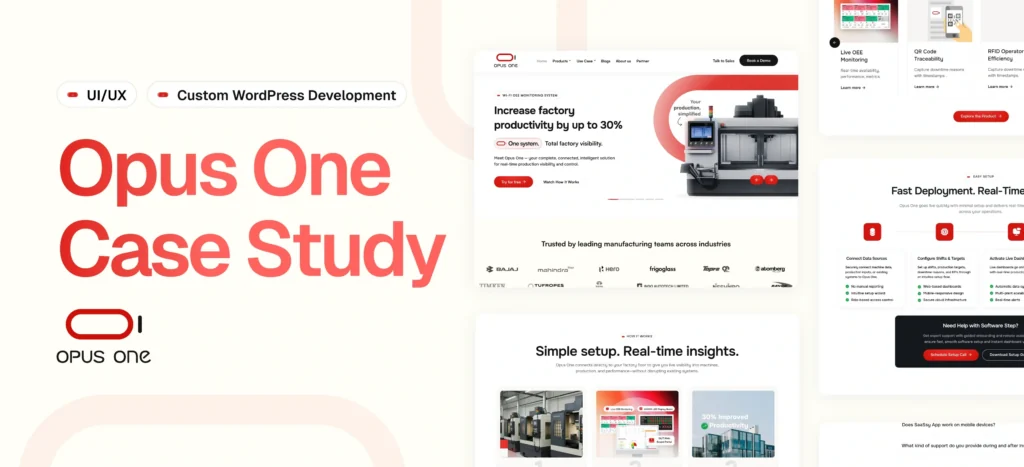
OpusOne – Scalable Product & Technology Platform
Delivered a flexible, scalable platform for managing products, sectors, and…
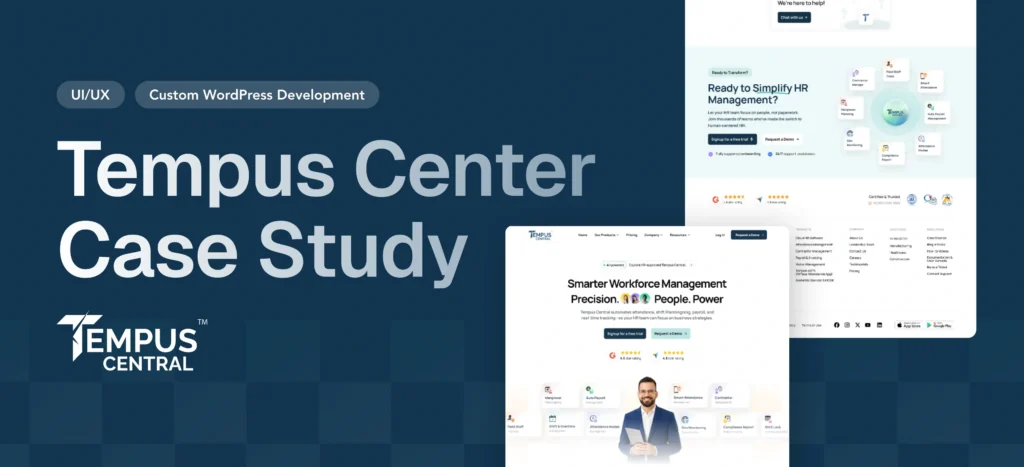
Tempus Central – HR & Workforce Management Website
Delivered a modular, scalable website with dynamic styling and seamless…
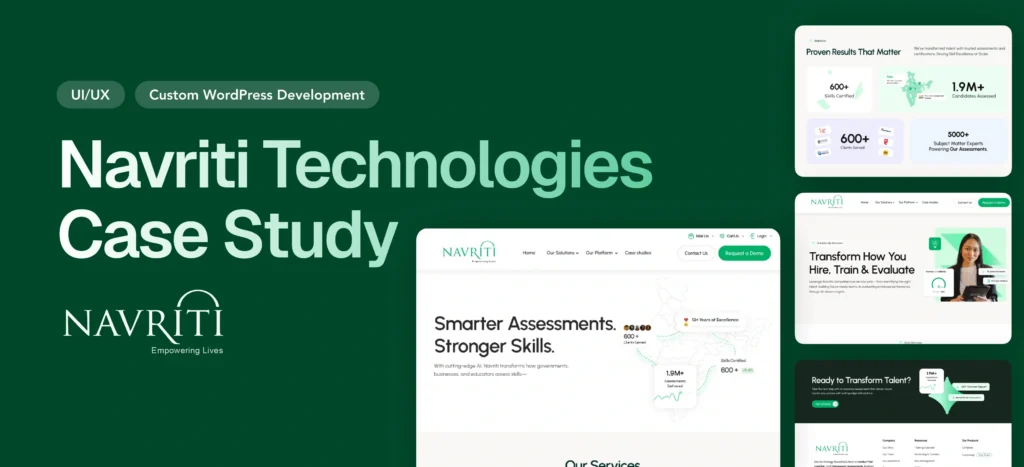
Empowering India’s Skilling Movement — Navriti Website Redesign
Navriti Technologies is leading India’s skilling and employability movement. But…
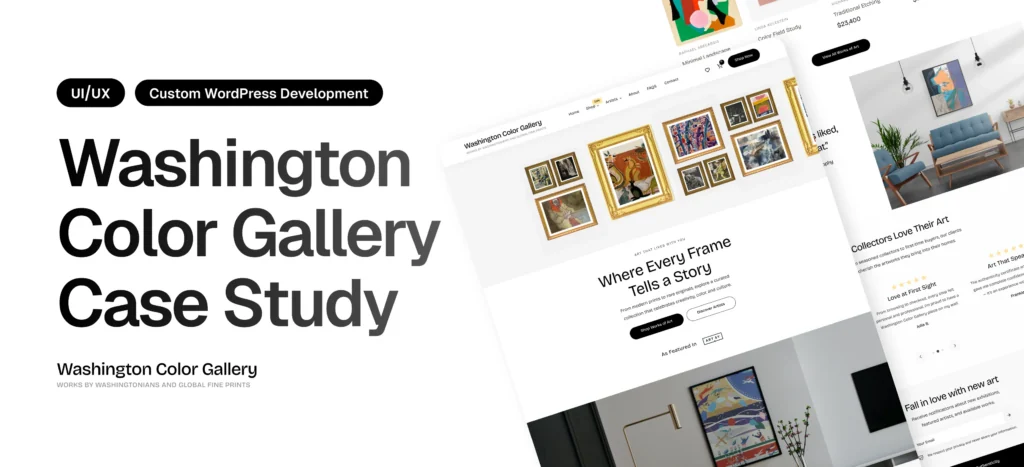
Washington Color Gallery Case Study – WordPress Redesign & Performance Optimization
Overview Washington Color Gallery is a contemporary art platform showcasing…
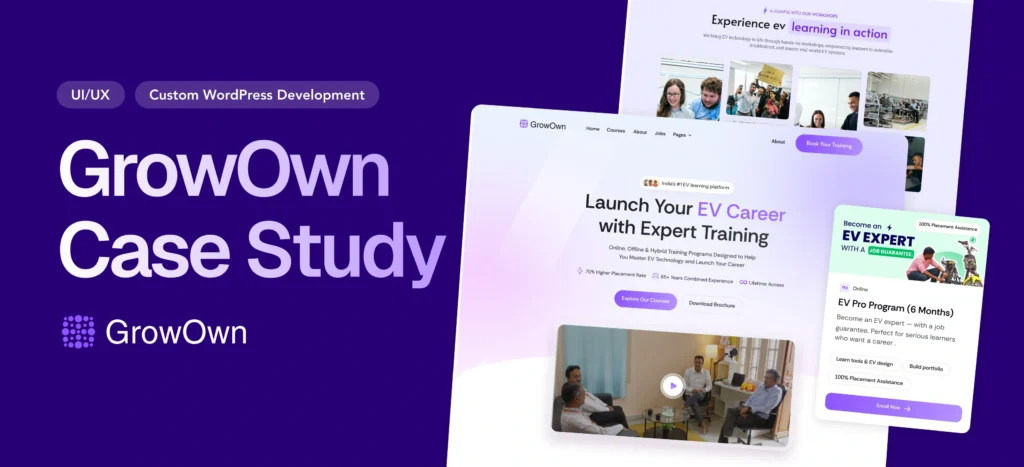
Building India’s Leading EV Learning Platform from Scratch: The Growown Success Story
Overview GrowOwn is an innovative EV (Electric Vehicle) learning platform…
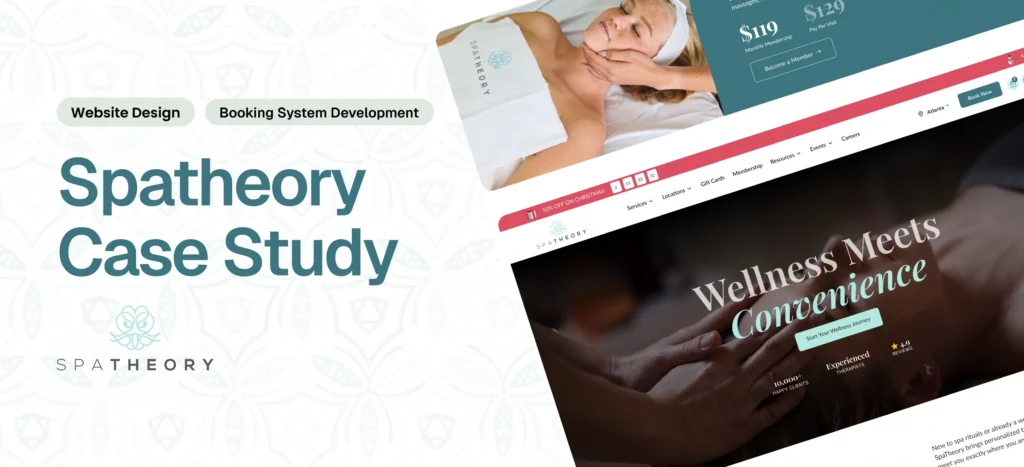
Spatheory – Luxury Spa Booking Platform Transformation
Delivered a fast, scalable platform with a seamless booking experience…
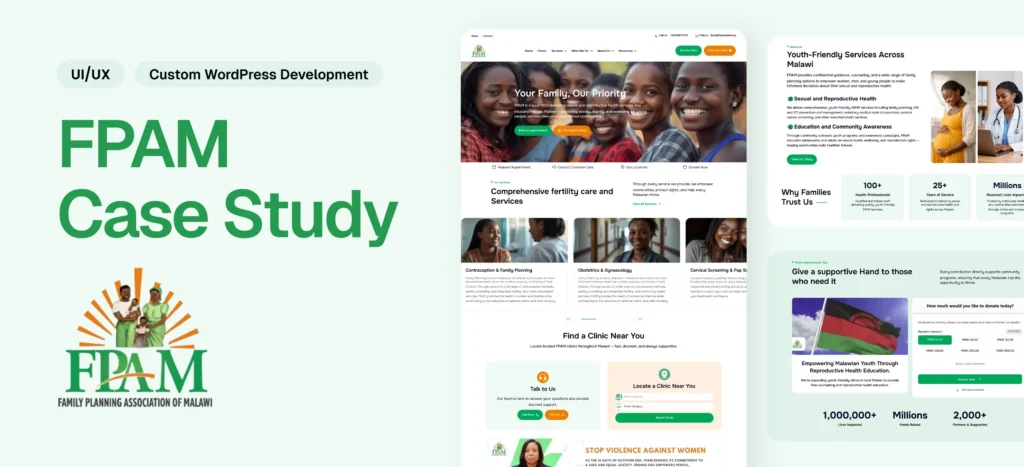
Family Planning Association of Malawi (FPAMalawi) Website Modernization
Delivered a modern healthcare platform with structured content, booking, donation,…
Why Choose Qrolic
Why Choose Qrolic for Higher Education Website Design?
Qrolic handles university website design and development as connected parts of one project, with accessibility considered throughout and reusable structures that help teams maintain content.
0+
Years of WordPress
Delivering top-tier digital services across design, development, and performance.
0+
Happy Clients
Serving global brands with a 95%+ satisfaction rate across industries.

0%
Client satisfaction
We’re committed to delivering solutions that truly make an impact.
0+
Team members
A strong team of experts in WordPress, web technologies, and UI/UX.
Start a Conversation
Let’s Discuss Your Higher Education Website
Whether you plan a complete redesign or a new institutional website, we can help you define requirements and plan the right approach.
Curious About the Cost? Free
Our website cost calculator is built using real
project data – no guesswork, just honest pricing.
 Message on WhatsApp

Curious About the Cost? Free
Just drop your requirements on WhatsApp, and we’ll send you an instant estimate—no forms, no waiting.
Frequently Asked Questions
Common Questions About Higher Education Websites
Learn what higher education website design includes, how projects are scoped, and how accessibility, program pages, and handover are handled.
What Should a University Website Include?
A university website should make essential information easy to find, including academic programmes and course details, admission requirements, application steps, tuition fees, faculty profiles, campus facilities, student services, and international student guidance. It should also provide accessible navigation, mobile-friendly layouts, contact options, and clear inquiry forms. The exact structure depends on the institution’s size, audiences, and academic offerings.
How Much Does a College Website Design and Development Project Cost?
The cost depends on the website’s size, design requirements, functionality, content structure, and technical complexity. Factors include the number of pages and programmes, custom design, reusable templates, CMS platform, application forms, third-party integrations, content migration, and accessibility testing. Qrolic can discuss your requirements and provide an estimate after understanding the project scope.
How Long Does University Website Development Take?
The timeline depends on the website’s size, number of templates, functionality, content readiness, integrations, and approval process. A smaller college website may require a different schedule from a university website with hundreds of programme pages and complex application workflows. The project timeline can be confirmed after the discovery and requirements stage.
How Do You Approach College Website Accessibility?
Accessibility is considered throughout the design and development process. This can include semantic page structure, keyboard navigation, visible focus states, readable typography, sufficient colour contrast, meaningful alternative text, and accessible forms. Where required, the project can be aligned with WCAG 2.1 Level AA. The final accessibility scope and verification requirements should be agreed before the project begins.
Can You Build a Website That Manages Hundreds or Thousands of Programme Pages?
Yes. A higher education website can be structured around reusable programme templates and organised content management. Templates can accommodate information such as programme overviews, curriculum, duration, eligibility, tuition fees, faculty details, and career opportunities. This approach helps institutional teams maintain consistent information across departments. The exact architecture depends on the number of programmes, content relationships, CMS requirements, and editorial workflow.
Can You Integrate Our Student Information System or CRM?
Integration requirements depend on the platform, available APIs, access permissions, and intended data flow. Basic inquiry form submissions may be included in an agreed website project. More extensive CRM, student information system, or application platform integrations can be assessed and scoped separately based on your institution’s technical requirements.
Will Our Staff Be Able to Update the Website After Launch?
Yes. The website can be configured with a suitable CMS and reusable templates to support routine content updates. Designated staff can manage programme details, admission information, announcements, and other institutional content without requiring a developer for every change. Qrolic can also provide CMS training and handover as part of the agreed project scope.