Community Website Design Built for Real Member Engagement
Bring scattered conversations, events, and updates into one community home. Qrolic plans a platform around member needs, participation, and easier day-to-day management.
Trusted by large companies worldwide













Introduction
Bring Your Community Into One Place
Community website design gives groups a dedicated place to connect, share knowledge, organize events, and manage ongoing conversations without relying entirely on scattered social channels.
Connection
Ownership
Engagement
Our Capabilities
- Member Profile Experiences
- Discussion Forum Structure
- Content and Activity Feeds
- Event Coordination Features
- Messaging and Notifications
- Moderation and Admin Tools
- Search-Friendly Content Structure

Built for Communities
A Digital Home for Your Members
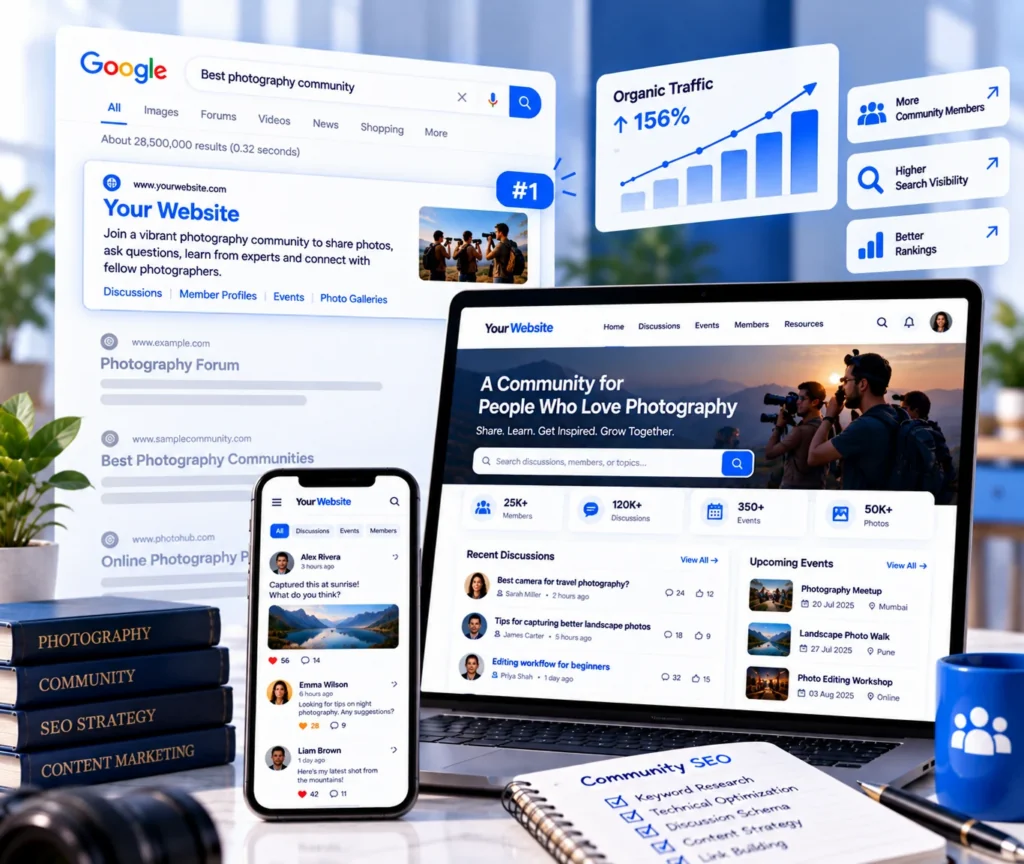
Community website development brings member interactions, discussions, events, and shared resources into one organized experience, making participation easier and giving you greater platform control.
01
What Does the Service Include?
The project scope can cover member registration, profiles, discussion forums, content feeds, event coordination, messaging, and administrative tools. Features are planned around your community’s purpose, member needs, and agreed requirements.
02
Why Does a Dedicated Platform Matter?
When conversations happen across social media, email, and messaging apps, members can miss updates and useful information. A dedicated platform brings community activity together and gives members a consistent place to participate.
03
How Does the Platform Solve These Problems?
Online community website development organizes discussions, updates, events, and member information within a central experience. Search and content structure can also help people discover eligible public community content through search engines.
04
Who Is This Service For?
The service can suit neighborhood associations, alumni groups, professional networks, nonprofit organizations, hobby communities, and customer communities. It is especially relevant when a group needs more control than scattered communication channels provide.
Our Approach
Qrolic’s supplied workflow starts with your business goals, audience, and user experience. It then covers WordPress development, content management, efficiency, integrations, custom functionality, progress reviews, transparency, training, ownership, and straightforward pricing.
Benefits
Build a Better Experience for Members
A dedicated community platform helps organize conversations and give members a recognizable place to connect. Its value depends on the needs, features, and management approach agreed for your project.

Centralized Communication
Bring discussions, announcements, and community updates into one place. Members spend less time checking disconnected channels.

Easier Participation
Organize member journeys and navigation around common tasks. A clear experience helps members find where to join conversations.

Organized Knowledge
Group discussions and shared resources by topic. Members can find relevant information more easily and avoid repeating common questions.

Better Event Coordination
Bring event information and participation details together. Members have a clearer place to find upcoming community activities.

More Manageable Operations
Plan content management and administrative needs into the platform. Appropriate tools can reduce repetitive coordination work.

Greater Platform Ownership
Build around your community’s identity and requirements. Platform ownership gives your organization more control over its digital home.
Ready to Give Your Community a Home?
Free UX Audit
Bring your members, conversations, and shared activities together in a platform planned around your community’s needs.

Our Process
Our Community Website Development Process
Each stage connects your community’s goals with practical decisions about user experience, functionality, management, and ownership.
01
Design Around Goals
02
Plan User Experience
03
Shape Brand Experience
04
Build a Fast Website
05
Simplify Content Management
06
Keep the Platform Efficient
07
Connect Tools and Features
08
Review and Communicate
09
Enable Ownership
Step 01
Design Around Goals
We consider your audience, community purpose, and priorities. This establishes a direction for the platform and its features.
Step 02
Plan User Experience
We plan how visitors navigate and participate. Clear user journeys help members find relevant actions and information.
Step 03
Shape Brand Experience
We shape the digital experience around your community’s identity. The result should feel appropriate to the people it serves.
Step 04
Build a Fast Website
The supplied workflow includes a lightweight WordPress website. Performance and structure are considered as the platform takes shape.
Step 05
Simplify Content Management
We consider manageable page types and content updates through the CMS. This helps your team maintain website information without relying on developers for every routine change.
Step 06
Keep the Platform Efficient
The workflow emphasizes a focused plugin stack and custom development where needed. This helps avoid unnecessary complexity in the website’s structure.
Step 07
Connect Tools and Features
The process considers existing tools, integrations, and custom functionality. Requirements determine which connections and additional features belong in the agreed scope.
Step 08
Review and Communicate
Staging reviews, progress visibility, and regular communication help you follow development. These checkpoints give you opportunities to review the work as it progresses.
Step 09
Enable Ownership
The workflow includes training, documentation, website ownership, and straightforward pricing. These elements help your organization understand its platform and manage it after delivery.
Comparison
Choose Community Website Design for Your Goals
A basic website may explain your organization without supporting member interaction. A community-focused approach considers participation, content organization, and admin needs from the start.
Without Qrolic:
Without Qrolic :
- Communication on split channels
- Limited platform control
- Basic informational page structure
- Discussions lack organization
- Manual community updates
- Management planned too late
- Unclear ownership expectations
With Qrolic:
With Qrolic :
- One central community website
- Planned around community needs
- Structure for member interaction
- Organized discussions, content
- Integrations planned early
- Management part of workflow
- Ownership planned upfront
Case Studies
Community Projects Begin With Clear Requirements
Every community has different participation and management needs. Qrolic’s process provides a framework for planning them without relying on unverified community results or performance claims.
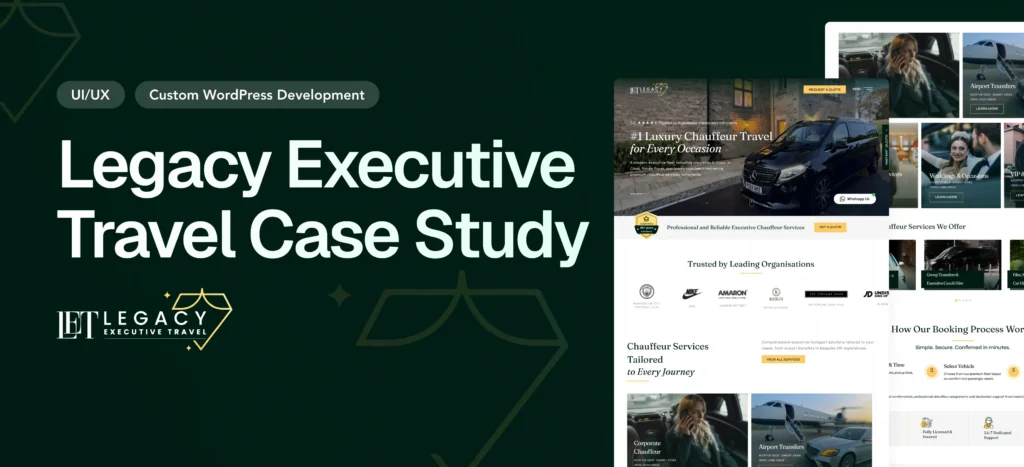
Legacy Executive Travel Website Redesign Case Study – Luxury Chauffeur Platform
Overview Legacy Executive Travel is a UK-based luxury chauffeur company…
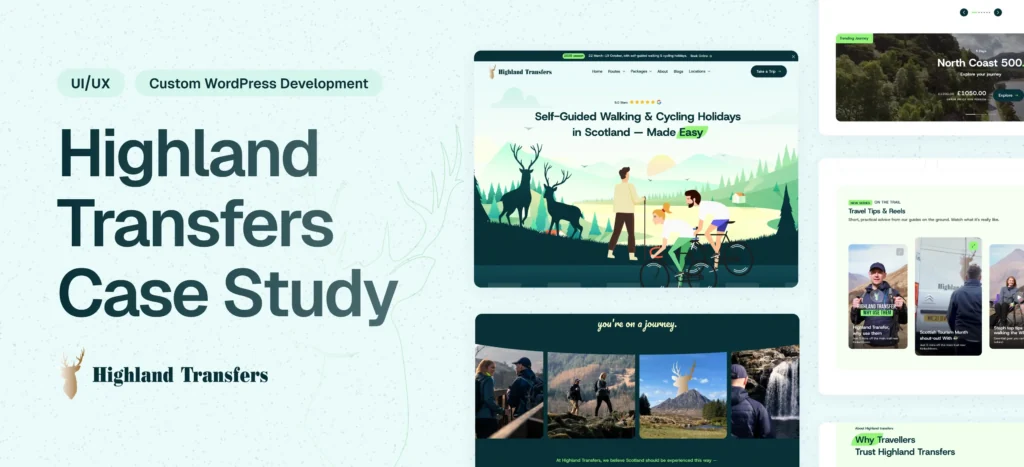
Highland Transfers Website Redesign & Development & SEO Optimization
Overview Highland Transfers is a professional transportation service offering reliable…
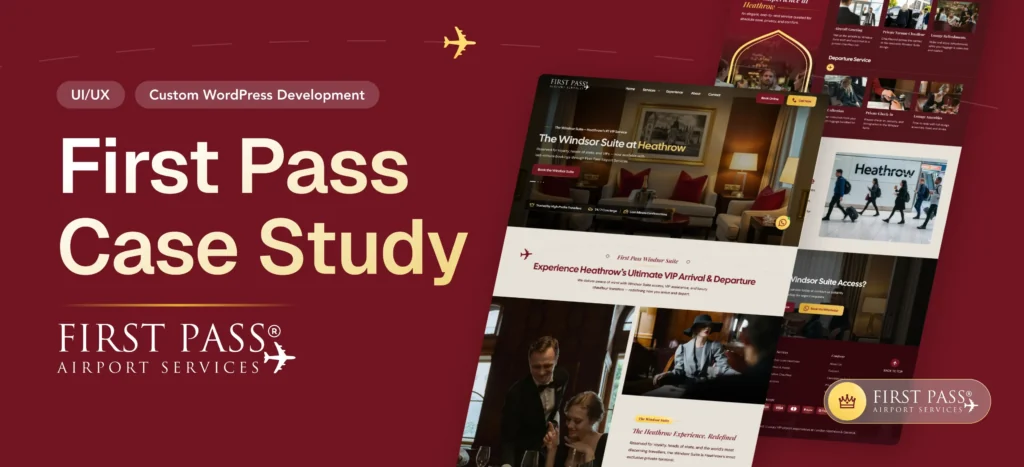
First Pass Airport Website Development & Smart Booking System
Overview First Pass Airport is a premium airport concierge service…
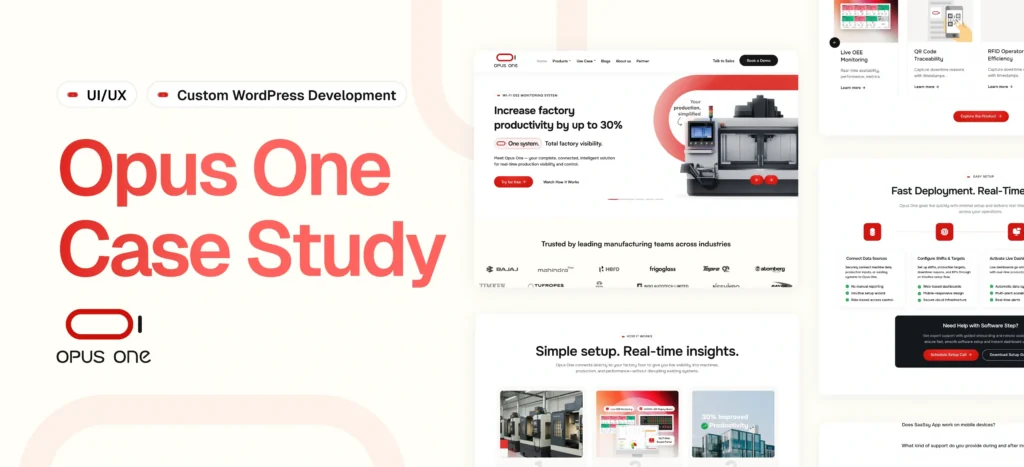
OpusOne – Scalable Product & Technology Platform
Delivered a flexible, scalable platform for managing products, sectors, and…
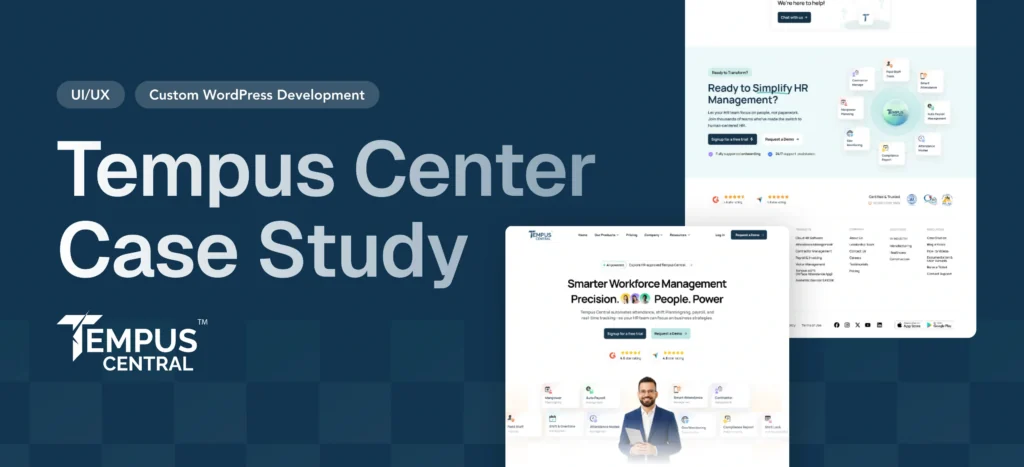
Tempus Central – HR & Workforce Management Website
Delivered a modular, scalable website with dynamic styling and seamless…
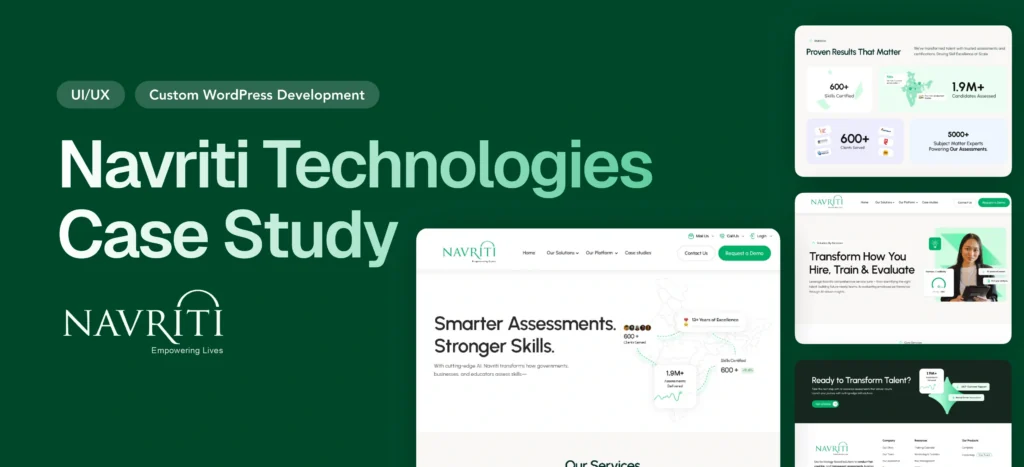
Empowering India’s Skilling Movement — Navriti Website Redesign
Navriti Technologies is leading India’s skilling and employability movement. But…
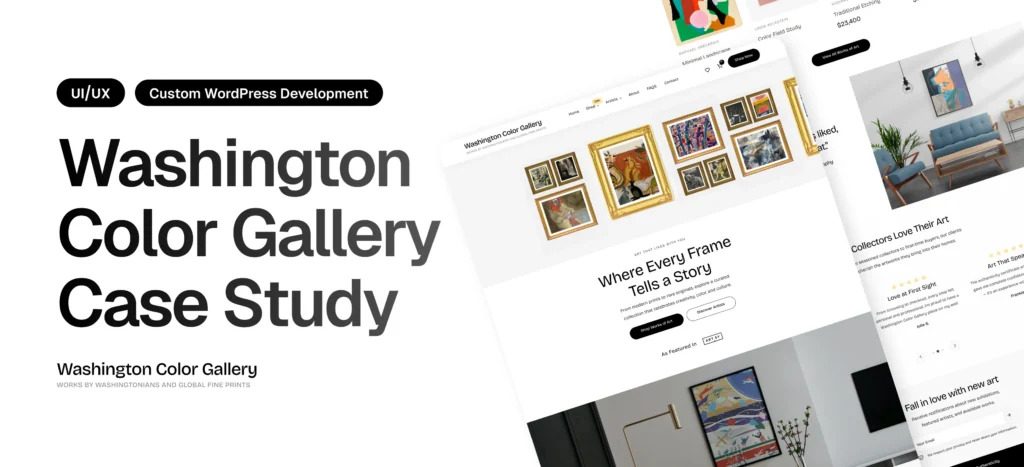
Washington Color Gallery Case Study – WordPress Redesign & Performance Optimization
Overview Washington Color Gallery is a contemporary art platform showcasing…
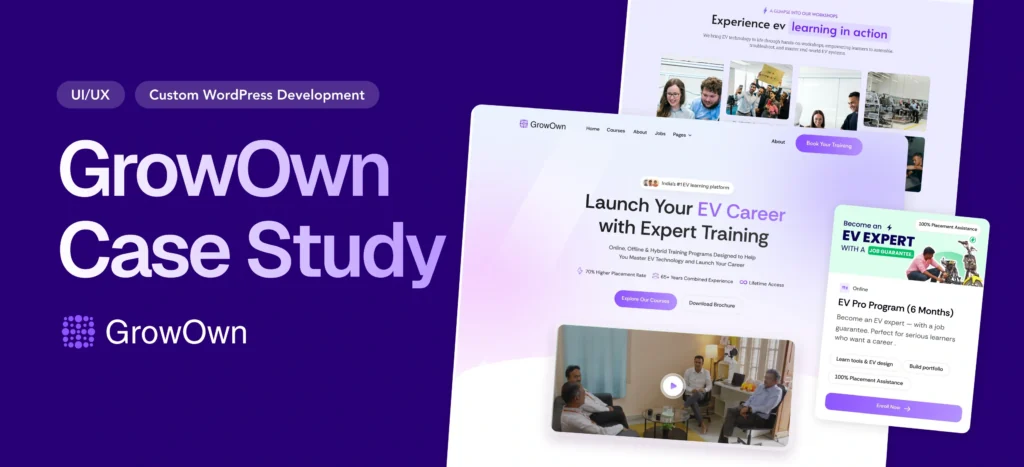
Building India’s Leading EV Learning Platform from Scratch: The Growown Success Story
Overview GrowOwn is an innovative EV (Electric Vehicle) learning platform…
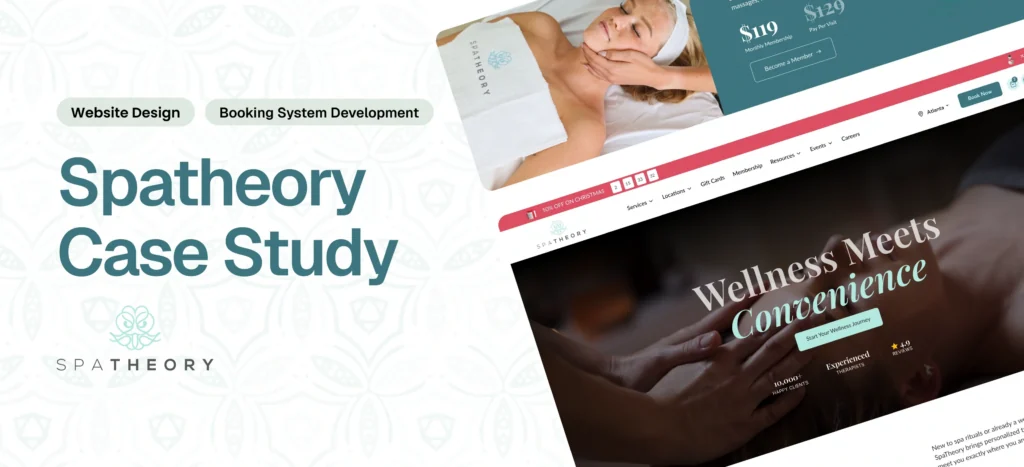
Spatheory – Luxury Spa Booking Platform Transformation
Delivered a fast, scalable platform with a seamless booking experience…
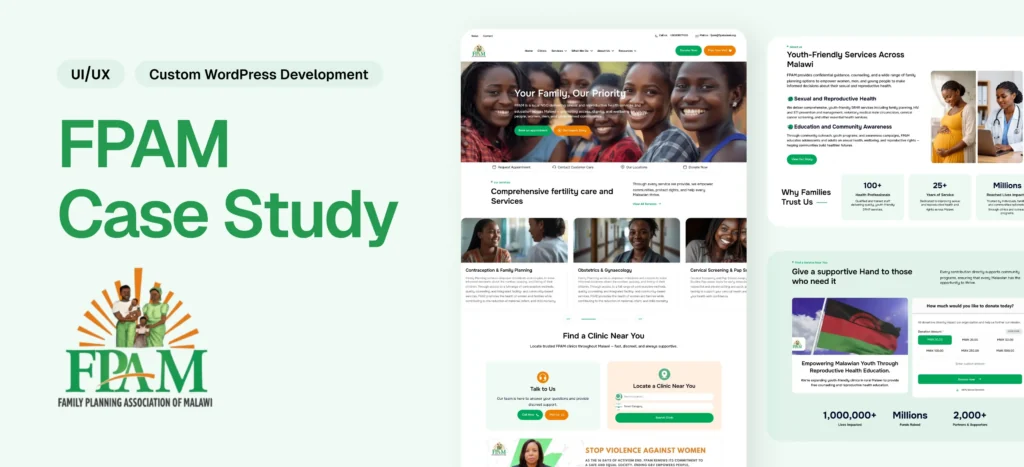
Family Planning Association of Malawi (FPAMalawi) Website Modernization
Delivered a modern healthcare platform with structured content, booking, donation,…
Why Choose Qrolic
A Practical Approach to Community Platforms
Qrolic’s workflow connects UX, WordPress development, custom functionality, integrations, and content management, with progress visibility, training, and ownership. It promises no engagement results.
0+
Years of WordPress
Delivering top-tier digital services across design, development, and performance.
0+
Happy Clients
Serving global brands with a 95%+ satisfaction rate across industries.
0%
Client satisfaction
We’re committed to delivering solutions that truly make an impact.
0+
Team members
A strong team of experts in WordPress, web technologies, and UI/UX.
Start a Conversation
Let’s Plan Your Community Website
Share your community’s purpose, current challenges, and priorities. Qrolic can use these details to discuss the requirements and scope of your project.
Curious About the Cost? Free
Our website cost calculator is built using real
project data – no guesswork, just honest pricing.

Curious About the Cost? Free
Just drop your requirements on WhatsApp, and we’ll send you an instant estimate—no forms, no waiting.
Frequently Asked Questions
Community Website Questions Answered
Choosing a community platform involves more than publishing a website. These answers explain the service, common requirements, and factors to consider before starting.
What Is a Community Website?
A community website is a digital space where people with shared interests, locations, or goals can connect. Depending on the project scope, it may include member profiles, discussions, content sharing, events, and administrative tools. Its main purpose is to support ongoing interaction rather than only present information.
How to Build a Community Website?
Start by defining the community’s purpose, audience, and main activities. Then plan the user experience, member features, content structure, management needs, and relevant integrations. Community website development should reflect these requirements instead of adding features without a clear purpose.
What Features Should a Community Platform Have?
Common options include member profiles, discussion forums, activity feeds, event coordination, messaging, directories, and moderation tools. The right combination depends on how members interact and how administrators manage participation. Features should be selected according to your agreed project scope.
How Is a Community Website Different From a Membership Website?
A community website prioritizes interaction, discussions, shared content, and member engagement. A membership website primarily manages access to restricted content or member benefits, often through subscriptions. Some projects combine both models, but their main goals and feature priorities differ.
Can a Community Website Help With Search Visibility?
Yes, public community content may appear in organic search when it is accessible, useful, and properly structured. Community SEO considers content discoverability and the technical foundation of the website. Search visibility is not guaranteed and depends on several factors, including competition and content quality.
What Affects Community Website Development Cost?
Community website development cost depends on the required features, design scope, integrations, content structure, and management needs. A simpler platform may require less work than one with extensive custom functionality. Discussing your requirements helps establish an appropriate project scope before costs are determined.