Build Education Websites Around Your Institution’s Needs
Generic websites often fail to serve students, parents, and faculty effectively. Our education website development service creates custom, manageable websites around your institution’s needs.
Trusted by large companies worldwide.













Introduction
Education Websites Built Around Real Needs
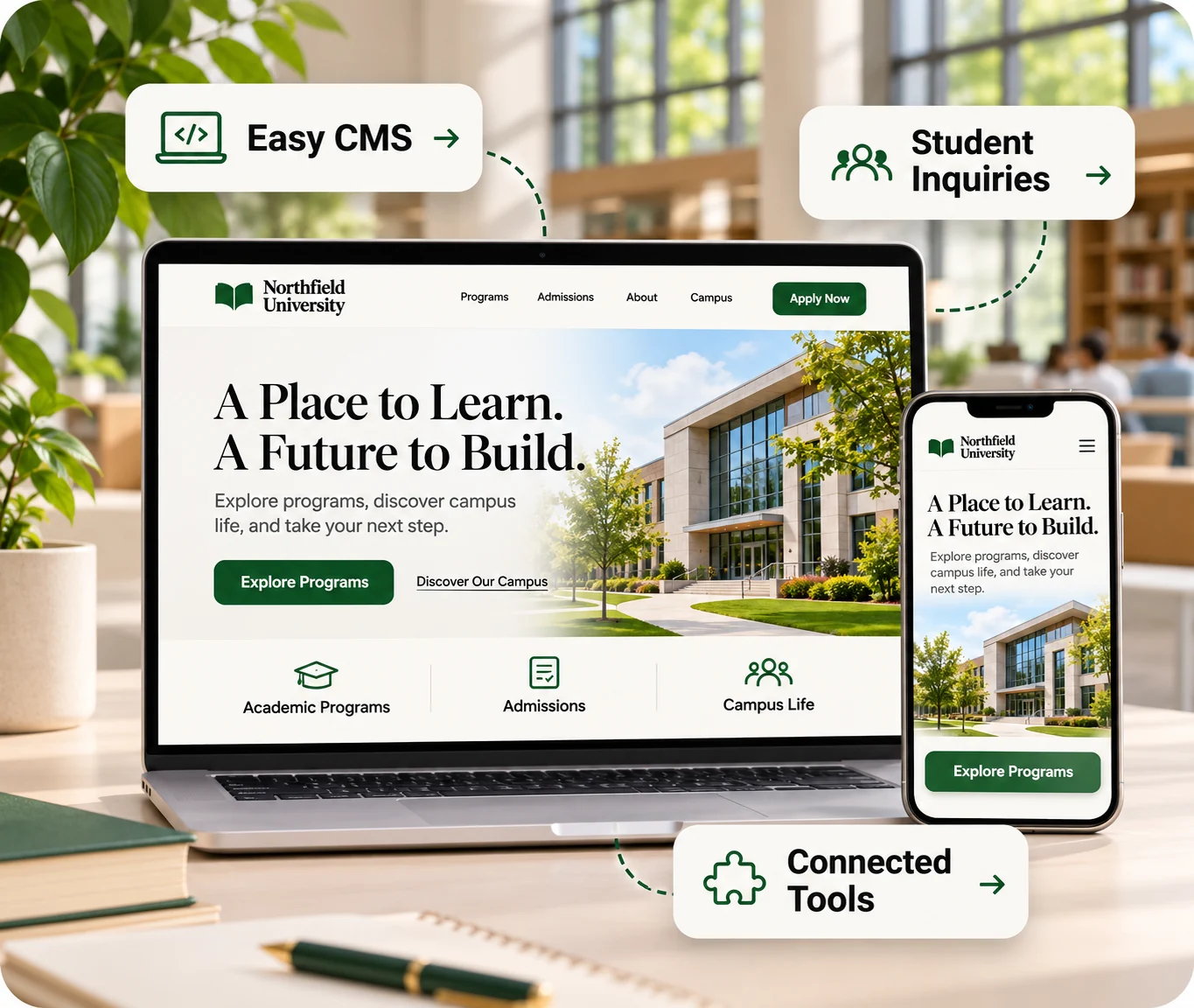
An education website must serve different audiences while presenting programs, building credibility, and supporting inquiries. Qrolic combines thoughtful design and custom development for these needs.
Clarity
Flexibility
Ownership
Our Capabilities
- Education-Focused UI/UX Design
- User Journey Planning
- Custom Website Design
- WordPress Block Theme Development
- Dynamic Content Management
- Third-Party Integrations
- Custom Functionality Development

Education Website Solutions
A Complete Website Solution for Education
Education website design services should address more than appearance. They should connect user experience, visual communication, and technical development to your institution’s actual goals.
01
What Does the Service Include?
Our education website design services cover UI/UX planning, custom visual design, WordPress development, dynamic content, CMS configuration, integrations, testing, and deployment, connecting your institution’s requirements with a manageable website.
02
Why Does Your Institution Need It?
Students, parents, faculty, and applicants visit for different reasons. A generic structure makes information hard to find and weakens inquiry paths. A purpose-built education website offers clearer navigation and content organization.
03
How Does Our Service Solve These Problems?
We begin by understanding your institution, audience, offerings, and goals, then plan user journeys, design custom interfaces, and develop a lightweight WordPress block theme with dynamic content, integrations, and custom functionality.
04
Who Can Benefit From This Service?
Our services suit schools, colleges, universities, coaching centers, training providers, and edtech businesses. Whether you need school website development or a platform for growing course offerings, the site is shaped around your needs.
Our Approach
Qrolic follows a business-first approach, starting with your institution’s needs before planning, design, and development. We provide staging visibility, regular updates, management training, and complete ownership of your digital assets.
Benefits
Benefits of a Purpose-Built Education Website
The right website structure makes information easier to access and manage. It also gives your institution a stronger foundation for future growth.

Better Audience Navigation
Organize information around students, parents, faculty, and other visitors. Help each audience find relevant information more easily.

Stronger First Impressions
Custom education website design reflects your institution’s identity. Present your programs, services, and facilities with greater clarity.

Easier Content Management
Dynamic content and CMS configuration give staff more control. Update pages, images, and information without depending on developers for routine changes.

Improved Website Performance Foundation
A lightweight WordPress block theme and focused plugin stack reduce unnecessary dependencies. Maintain a cleaner technical foundation as your website grows.

Connected Business Tools
Integrate CRM, forms, email, newsletters, and analytics where required. Bring important website activities closer to your existing workflows.

Complete Digital Ownership
Your website, domain, hosting, and essential accounts remain under your control. Manage your digital assets without depending on an agency for ownership.
Ready to Build a Better Education Website?
Free UX Audit
Discuss your institution’s requirements with Qrolic. Explore a website approach shaped around your audiences, goals, and operations.

Our Workflow
How We Build Your Website
Every project follows a structured approach, from understanding your institution to launching a website your team can manage.
01
Understand Your Institution
02
Plan User Experience
03
Create Custom UI/UX Designs
04
Develop the WordPress Theme
05
Configure Dynamic Content and CMS
06
Build Functionality and Manage Plugins
07
Connect Integrations and Automation
08
Test and Review
09
Train, Launch, and Transfer Ownership
Step 01
Understand Your Institution
We learn about your industry, audiences, offerings, positioning, and goals. This ensures website decisions reflect your actual requirements.
Step 02
Plan User Experience
We map user journeys, page structures, content hierarchy, navigation, and calls-to-action. This gives visitors clearer paths to relevant information.
Step 03
Create Custom UI/UX Designs
We develop custom visual and interaction designs around your institution and brand. You can review the designs and share feedback.
Step 04
Develop the WordPress Theme
We build a custom WordPress block theme with clean, performance-focused code. An early staging website lets you review progress during development.
Step 05
Configure Dynamic Content and CMS
We make appropriate website elements dynamic and configure the CMS. Your team can create pages and manage routine content updates independently.
Step 06
Build Functionality and Manage Plugins
We use a focused plugin stack and custom development where appropriate. This avoids unnecessary dependencies and supports your specific website requirements.
Step 07
Connect Integrations and Automation
We integrate CRM, newsletters, forms, email, and analytics where required. We also identify opportunities to support automation and better workflows.
Step 08
Test and Review
We test the website across relevant devices and use cases, incorporating feedback. Regular updates and call availability keep you informed throughout the process.
Step 09
Train, Launch, and Transfer Ownership
Before launch, we provide a website management guide and live training call. Your website, domain, hosting, and essential accounts remain under your ownership, with transparent pricing and no hidden fees.
Comparison
Custom Education Website Development vs Templates
Generic templates may offer a quick starting point, but they can overlook institutional requirements. A custom approach considers your audiences, content, functionality, and management needs.
Without Qrolic:
Without Qrolic :
- Predefined layouts and structures
- Limited audience-specific planning
- Generic navigation patterns
- Standardized visual presentation
- Unnecessary plugin dependencies
- Limited content flexibility
- Unclear ownership arrangements
With Qrolic:
With Qrolic :
- Design around institutional goals
- Planned user journeys and flows
- Audience-focused content hierarchy
- Custom UI/UX and visual design
- Focused plugin stack
- Dynamic CMS content management
- Complete client asset ownership
Case Studies
Explore Related Website Projects
Explore Qrolic’s related work to understand its approach to website projects. The Navriti skilling platform redesign provides a relevant example.
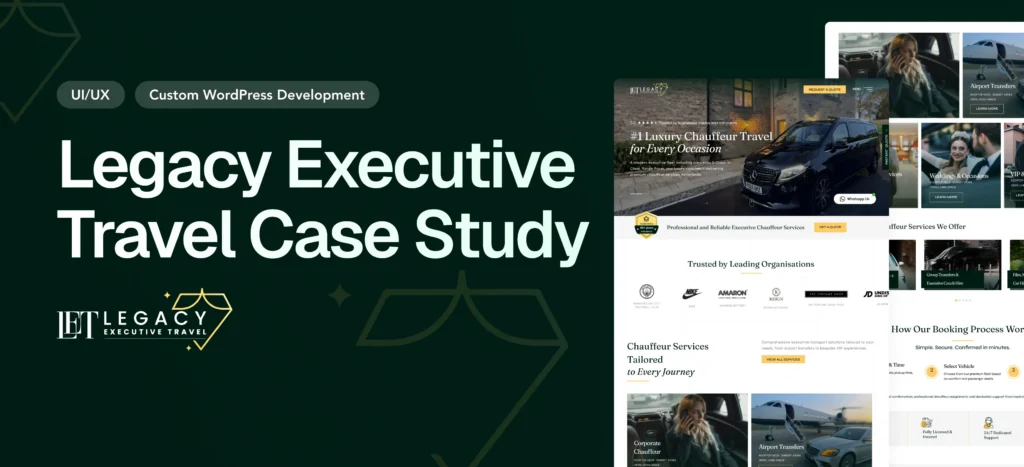
Legacy Executive Travel Website Redesign Case Study – Luxury Chauffeur Platform
Overview Legacy Executive Travel is a UK-based luxury chauffeur company…
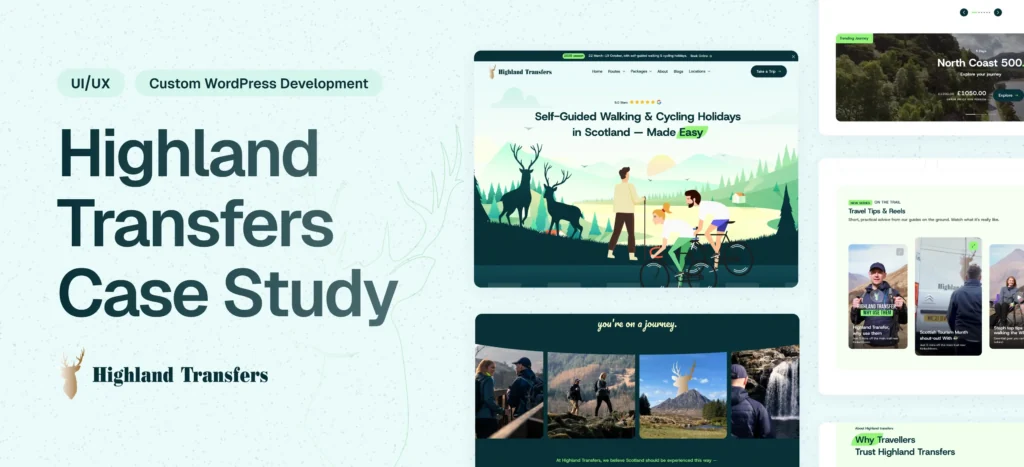
Highland Transfers Website Redesign & Development & SEO Optimization
Overview Highland Transfers is a professional transportation service offering reliable…
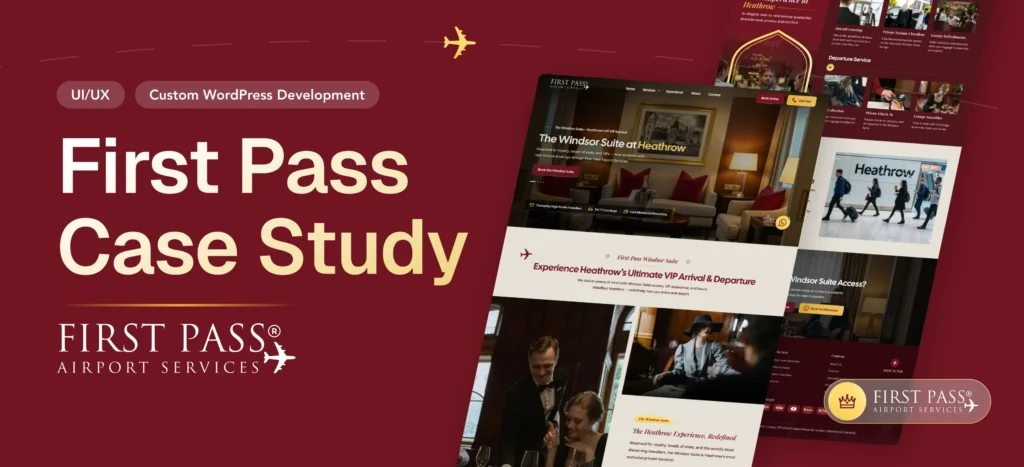
First Pass Airport Website Development & Smart Booking System
Overview First Pass Airport is a premium airport concierge service…
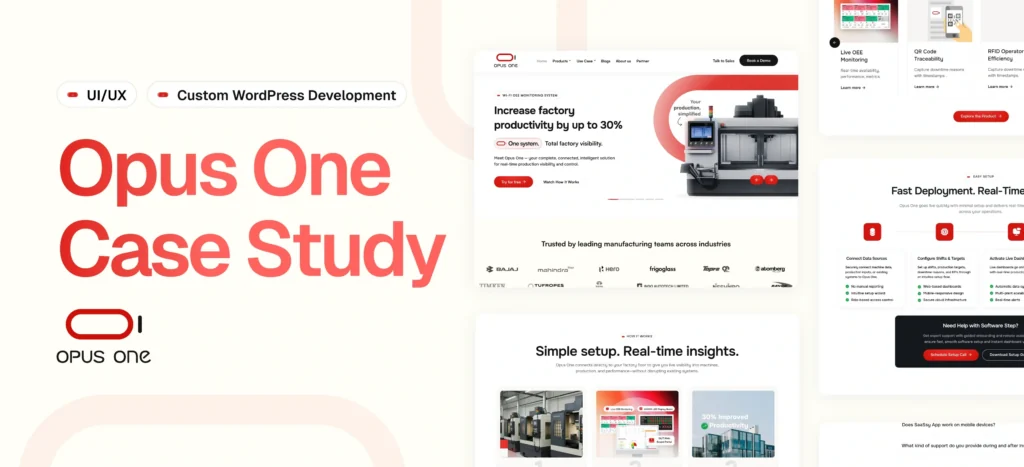
OpusOne – Scalable Product & Technology Platform
Delivered a flexible, scalable platform for managing products, sectors, and…
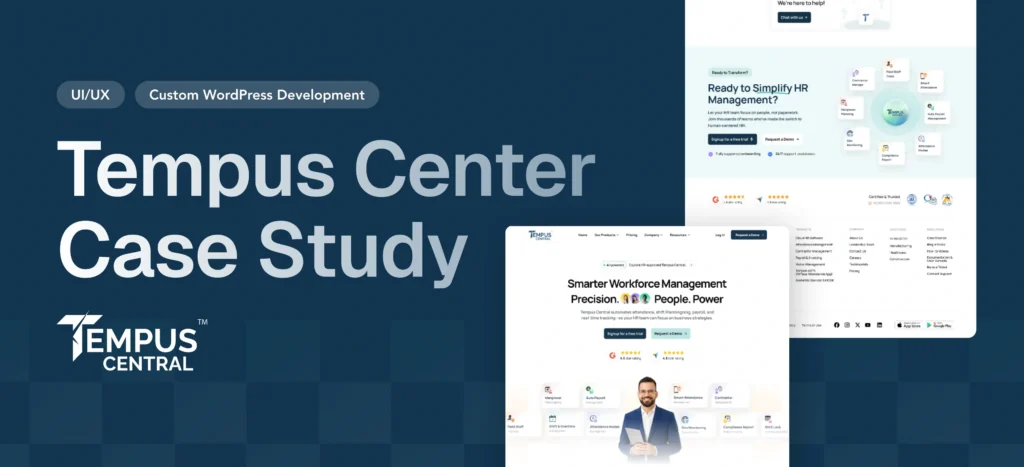
Tempus Central – HR & Workforce Management Website
Delivered a modular, scalable website with dynamic styling and seamless…
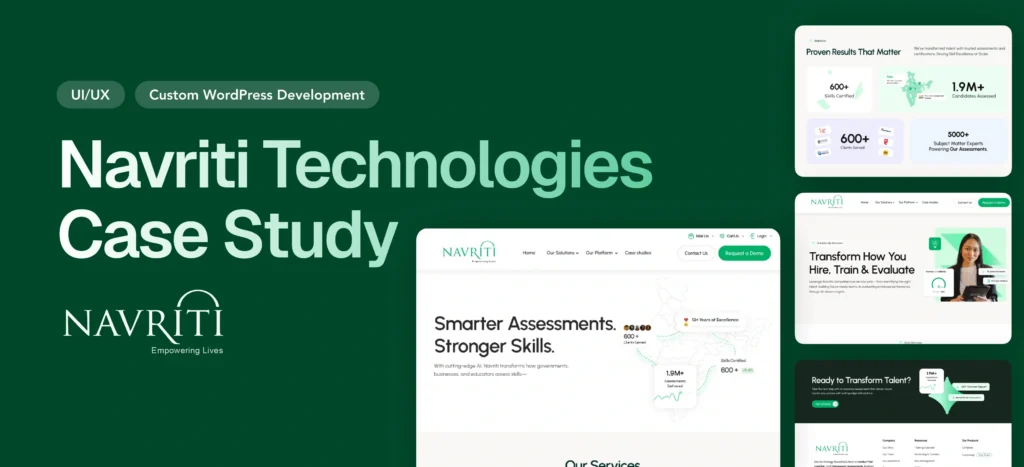
Empowering India’s Skilling Movement — Navriti Website Redesign
Navriti Technologies is leading India’s skilling and employability movement. But…
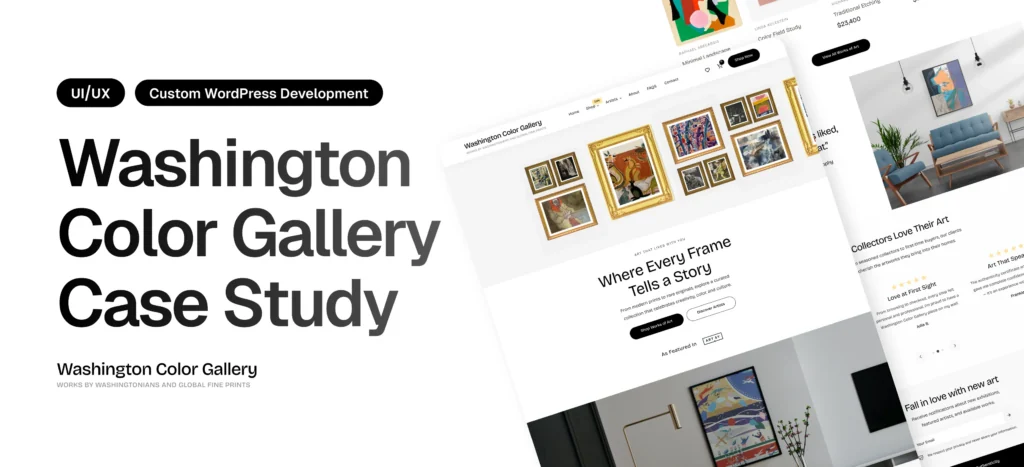
Washington Color Gallery Case Study – WordPress Redesign & Performance Optimization
Overview Washington Color Gallery is a contemporary art platform showcasing…
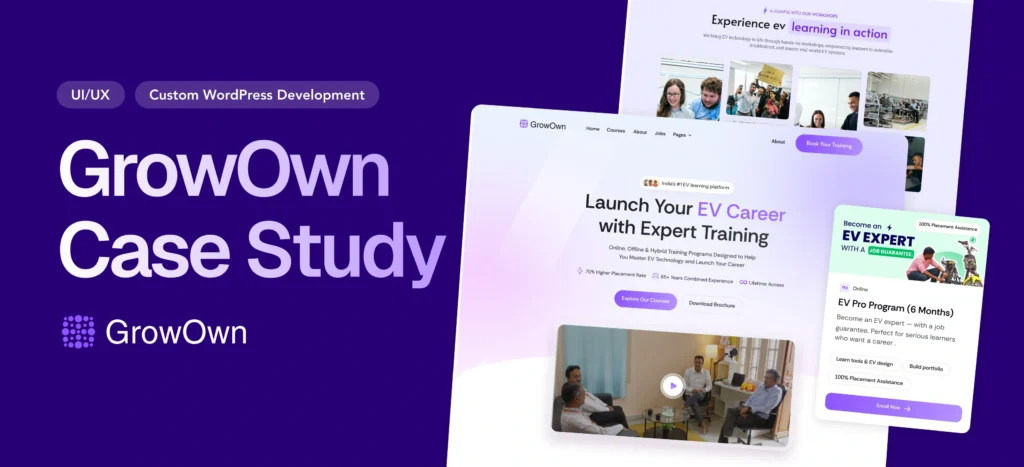
Building India’s Leading EV Learning Platform from Scratch: The Growown Success Story
Overview GrowOwn is an innovative EV (Electric Vehicle) learning platform…
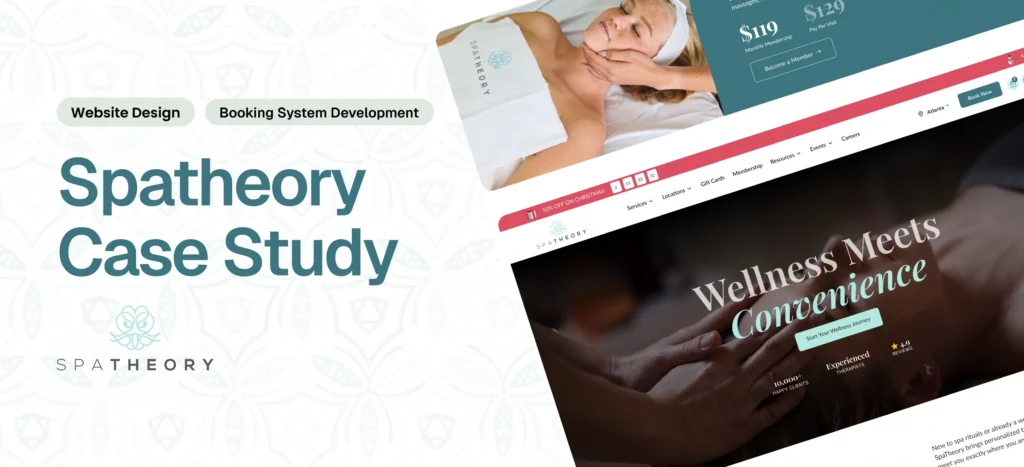
Spatheory – Luxury Spa Booking Platform Transformation
Delivered a fast, scalable platform with a seamless booking experience…
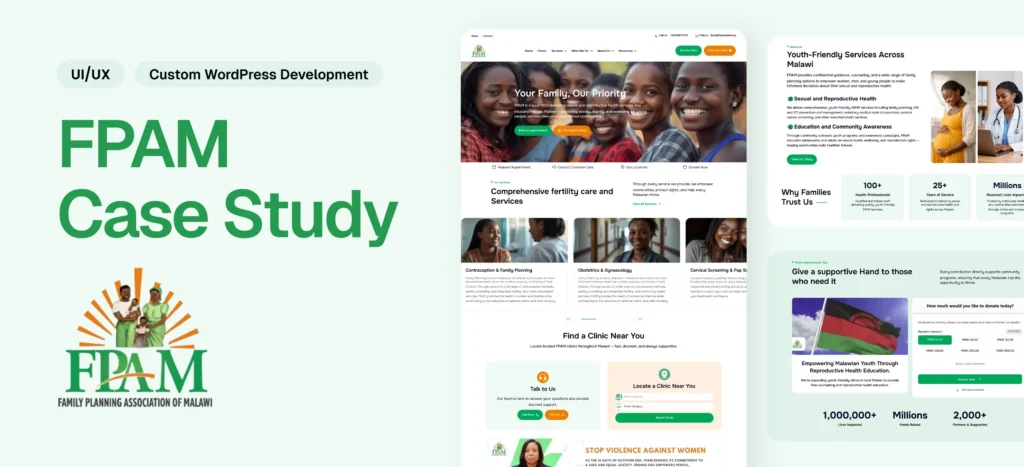
Family Planning Association of Malawi (FPAMalawi) Website Modernization
Delivered a modern healthcare platform with structured content, booking, donation,…
Why Choose Qrolic
A Website You Can Manage and Own
Your institution needs more than a finished website. Qrolic combines custom development, transparent communication, practical training, and complete ownership.
0+
Years of WordPress
Delivering top-tier digital services across design, development, and performance.
0+
Happy Clients
Serving global brands with a 95%+ satisfaction rate across industries.
0%
Client satisfaction
We’re committed to delivering solutions that truly make an impact.
0+
Team members
A strong team of experts in WordPress, web technologies, and UI/UX.
Start Your Project
Plan the Right Website for Your Institution
Your institution deserves a website that reflects its goals and serves its audiences. Tell us about your requirements and explore the right development approach.
Curious About the Cost? Free
Our website cost calculator is built using real
project data – no guesswork, just honest pricing.
 Message on WhatsApp

Curious About the Cost? Free
Just drop your requirements on WhatsApp, and we’ll send you an instant estimate—no forms, no waiting.
Frequently Asked Questions
Education Website Development FAQs
Have questions about planning, designing, or developing your education website? Here are answers to help you understand the service and make informed decisions.
What Does Education Website Development Include?
Education website development includes user experience planning, custom UI/UX design, responsive website design, WordPress development, CMS configuration, dynamic content, and third-party integrations. The exact scope depends on your institution’s requirements and project needs.
How Is EdTech Website Design Different?
Edtech website design focuses on presenting educational products, online courses, and learning services clearly. It considers the needs of learners, businesses, and prospective customers while supporting relevant inquiry and enrollment journeys.
Can Our Staff Manage the Website Independently?
Yes. Qrolic configures dynamic content and CMS functionality so non-technical staff can manage pages, images, and information. Your team also receives a website management guide and live training call before launch.
Does Qrolic Provide Accessibility Support?
Accessibility considerations are included in the UI/UX design and development scope. Specific WCAG compliance levels, accessibility audits, and testing requirements should be discussed and defined according to your project.
Can You Integrate Existing Business Tools?
Yes. Qrolic supports integrations with CRM systems, forms, newsletters, email, and analytics. Custom functionality can also be developed when standard WordPress features do not meet your requirements.
What Types of Education Websites Can You Develop?
Qrolic’s educational website development services can support schools, colleges, universities, training providers, and edtech businesses. This includes school website development, university website design, college website development, and custom education website projects. For a WordPress education website, the development approach uses a custom block theme and CMS configuration. Projects involving LMS or SIS integrations require separate discussion and scope definition.