SEO for IoT Companies That Need Visibility
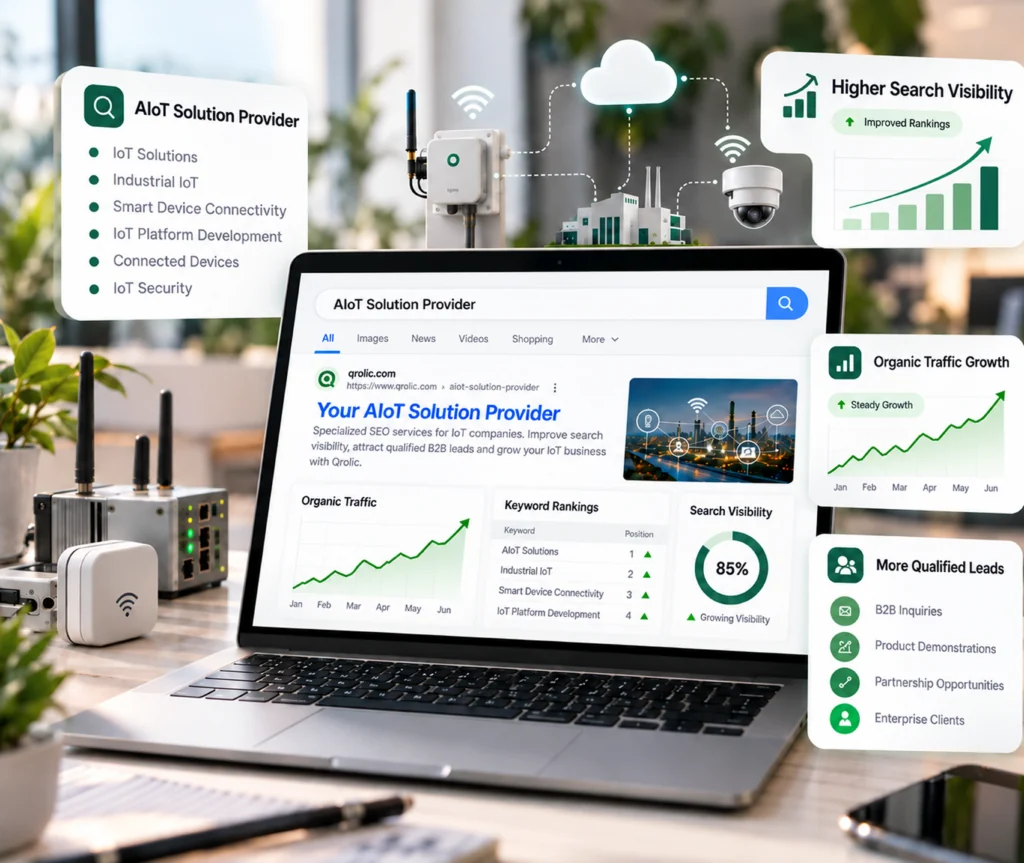
Qrolic applies its 13-step SEO process to IoT businesses, covering goals, measurement, keyword research, technical foundations, content, authority, and monitoring.
Trusted by large companies worldwide
















Introduction
Help IoT Buyers Find Relevant Solutions
Qrolic designs and develops marketing websites for IoT businesses. Qrolic’s process emphasizes clear planning, custom work, and client control.
Clarity
Control
Ownership
Our Capabilities
- Business-led SEO planning
- Keyword and intent research
- Technical SEO audit
- Purposeful content planning
- On-page optimization
- Authority-building activities
- Monitoring and migration protection

IoT SEO Services
An SEO Process for IoT Businesses
Qrolic applies its 13-step SEO process to IoT businesses, covering goals, measurement, keyword research, technical foundations, content, on-page work, authority, monitoring, and migration protection.
01
What Does IoT SEO Include?
The service combines keyword and search-intent research, technical SEO, content planning, on-page improvements, authority building, conversion review, monitoring, and migration protection. Local SEO is considered only where it fits the company’s service model.
02
Why Does Search Visibility Matter?
IoT buyers may compare products, specifications, compatibility, applications, and suppliers before reaching out. If important pages are hard to discover, relevant prospects may not find the details needed to assess a solution.
03
How Does the Process Help?
Qrolic begins with goals and measurement, researches relevant searches, and reviews website structure and technical health. Content, on-page updates, authority work, and monitoring follow the supplied SEO workflow.
04
Who Is This Service For?
It is intended for IoT device makers, industrial IoT providers, connected-device companies, IoT platforms, and consultancies. The phrase industrial IoT visibility services is used here only for search visibility, not device or asset monitoring.
Our Approach
Qrolic begins with business goals and measurement, researches relevant searches, and reviews website structure and technical health. The process then connects content, on-page work, authority activities, conversion review, monitoring, and migration protection in the supplied sequence.
Benefits
Build a More Focused IoT SEO Foundation
IoT buyers search for products, use cases, and solutions, but key pages can be hard to find without clear SEO structure. Qrolic applies its 13-step SEO process to IoT businesses.

SEO aligned with goals
The process begins with business goals and measurement. This helps prioritize work around the company’s actual objectives.

More relevant search targeting
Research considers keywords, intent, competitors, and opportunities. This helps connect pages to searches for IoT products and services.

Clearer page organization
Page, URL, topic, and internal-link planning organizes product and solution information. A clear structure helps visitors find relevant content.

Technical issues prioritized
Technical reviews cover crawlability, indexing, mobile usability, speed, redirects, canonicalization, and sitemaps where relevant.

Purposeful content improvements
Content planning and on-page updates help address buyer questions. Product, compatibility, and documentation topics should reflect verified business information.

Ongoing review and protection
Monitoring tracks search and website signals, while the workflow includes redesign and migration protection. No rankings or leads are guaranteed.
Ready to Improve Your Search Foundations?
Free UX Audit
IoT buyers search for products, use cases, and solutions, but key pages can be hard to find without clear SEO structure. Discuss the priorities for your IoT device makers and platforms.

Our Process
How the SEO Process Works
Qrolic follows a 13-step SEO workflow from business goals and measurement through optimization, monitoring, and migration protection.
01
Start With Your Business Goals
02
Make Every Result Measurable
03
Find the Searches That Matter
04
Build a Sound Website Structure
05
Audit and Fix SEO Problems
06
Create Intent-Led Content and Optimize Pages
07
Strengthen Technical and Local SEO
08
Convert Traffic and Build Authority
09
Monitor Growth and Protect Migrations
Step 01
Set Goals and Track Results
SEO starts by clarifying business goals and setting up measurement such as analytics, Search Console, and conversion tracking before optimization. This gives the work a defined purpose.
Step 02
Find the Right Keywords
Keyword, intent, competitor, and opportunity research identifies relevant searches. The focus is on questions and topics that fit the company’s audience and offer.
Step 03
Improve Website Structure and Technical SEO
Page, URL, topic, and internal-link structure are reviewed alongside technical issues. The work can cover crawlability, indexing, mobile usability, speed, redirects, canonicalization, and sitemaps.
Step 04
Optimize Content and Pages
Content planning and on-page improvements align useful pages with search intent. Updates may include titles, headings, structure, internal links, images, and schema where relevant.
Step 05
Improve Technical and Local SEO
Technical SEO remains part of the foundation, while local SEO is considered only where relevant to the business. Local work may include Google Business Profile, local pages, citations, and reviews.
Step 06
Improve Conversions and Build Authority
Conversion review considers user experience, calls to action, trust signals, and layouts. Authority activities may include backlinks, digital PR, brand mentions, and citations.
Step 07
Monitor and Improve SEO
Monitoring can cover rankings, traffic, conversions, competitors, content, and algorithm changes. Findings inform ongoing prioritization rather than guaranteed outcomes.
Step 08
Protect SEO During Migration
Redirect planning and related SEO checks are part of the workflow when a site changes. The aim is to reduce avoidable disruption during redesigns or migrations.
Comparison
SEO for IoT Products and Solutions
IoT buyers search for products, use cases, and solutions, but key pages can be hard to find without clear SEO structure. A focused process addresses these needs without promising a specific outcome.
Without Qrolic:
Without Qrolic :
- Broad terms without buyer intent
- No clear measurement plan
- Product, solution pages unorganized
- Technical issues not prioritized
- Content misses buyer questions
- Authority work lacks relevance
- Migration risks addressed too late
With Qrolic:
With Qrolic :
- Goals and measurement defined first
- Research mapped to buyer searches
- Planned page, topic, link structure
- Prioritized technical SEO review
- Content built on relevant questions
- Relevant authority building
- Redirects and migration planned
Case Studies
Explore Work Relevant to Your Goals
No industry-specific case study for this service is included because the supplied brief does not verify one.

WordPress Performance Optimization Case Study – Active Steel Forge Speed & SEO Improvement
Overview Active Steel Forge had a highly data-heavy WordPress website…
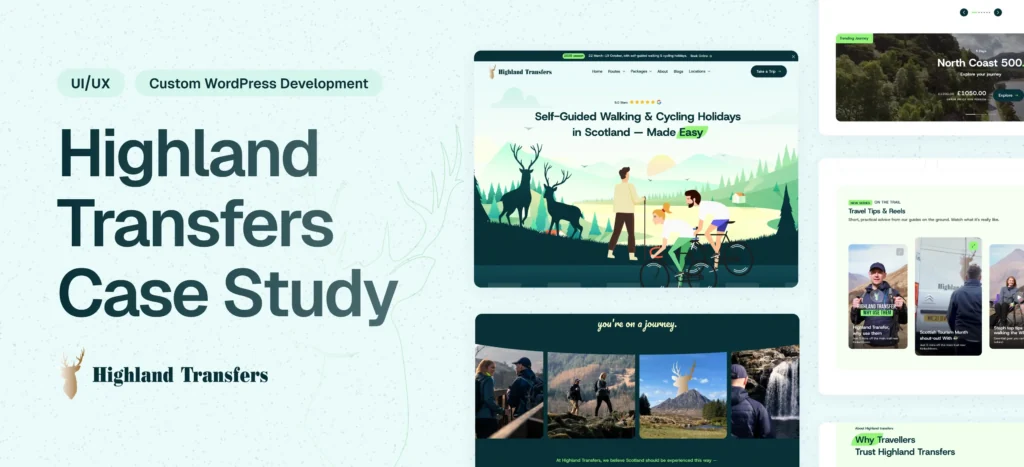
Highland Transfers Website Redesign & Development & SEO Optimization
Overview Highland Transfers is a professional transportation service offering reliable…
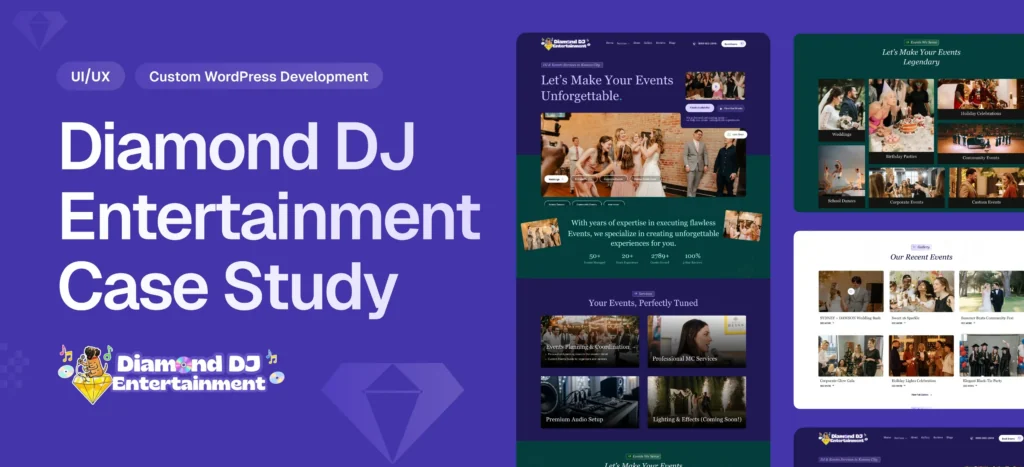
Diamond DJ Entertainment Website Design & Development
Overview Diamond DJ Entertainment is a professional event entertainment service…
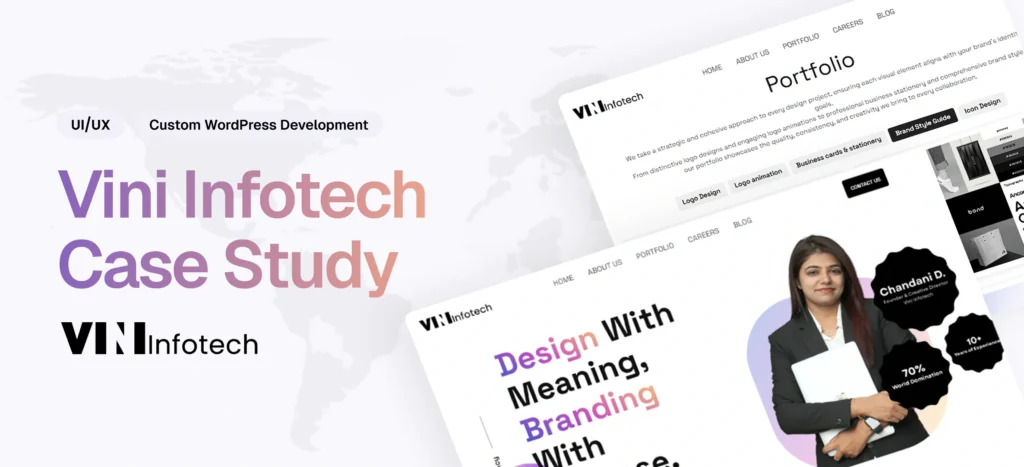
SEO-Optimized Website for Design Agency – Vini Infotech
Overview Vini Infotech is a graphic design and creative solutions…
Why Choose Qrolic
SEO Planning for IoT Buying Journeys
Qrolic connects search research, technical SEO, content, authority, and measurement through a defined workflow. The focus is search visibility for IoT businesses, not device monitoring.
0+
Years of WordPress
Delivering top-tier digital services across design, development, and performance.
0+
Happy Clients
Serving global brands with a 95%+ satisfaction rate across industries.

0%
Client satisfaction
We’re committed to delivering solutions that truly make an impact.
0+
Team members
A strong team of experts in WordPress, web technologies, and UI/UX.
Start a Conversation
Talk With Qrolic About Your SEO Priorities
IoT buyers search for products, use cases, and solutions, but key pages can be hard to find without clear SEO structure. Share your goals and challenges to discuss a suitable scope for your business.
Curious About the Cost? Free
Our website cost calculator is built using real
project data – no guesswork, just honest pricing.


Curious About the Cost? Free
Just drop your requirements on WhatsApp, and we’ll send you an instant estimate—no forms, no waiting.
Frequently Asked Questions
Common Questions About This Service
These answers explain the scope and process for iot seo services. They distinguish the supplied service from capabilities not confirmed in the research brief.
What is SEO for IoT companies?
It is search engine optimization for IoT device makers, industrial IoT providers, connected-device businesses, platforms, and consultancies. Work can include research, technical SEO, content, on-page improvements, authority building, monitoring, and migration protection.
What do IoT SEO services include?
The supplied workflow covers business goals, measurement, keyword research, site structure, technical fixes, content, on-page optimization, local SEO where relevant, conversion review, authority building, ongoing monitoring, and redesign or migration protection.
What does connected device SEO mean here?
Here, connected device SEO means search optimization for companies that sell connected-device products or related services. It does not mean device monitoring, telemetry, or asset visibility software.
What are industrial IoT visibility services?
In this page, the phrase refers specifically to search visibility services for industrial IoT companies. It does not refer to monitoring industrial assets or connected devices.
Is local SEO needed for every IoT business?
No. Local SEO is considered where the business serves specific regions or has a relevant local presence, such as regional service or installation work. It is conditional rather than mandatory for every IoT company.
Can SEO be protected during a website migration?
The process includes a dedicated stage for protecting SEO during a redesign or migration. Redirect planning and technical considerations help reduce avoidable disruption when pages or URLs change.
How should buyers interpret related search terms?
People searching for SEO for IoT companies may be comparing providers in the broader industry. Qrolic’s service here is search engine optimization for IoT companies, rather than an unverified claim to deliver the industry’s core product engineering. The phrase industrial IoT visibility services refers to search visibility in this context, not connected-device monitoring or industrial asset tracking.