Language Learning Website SEO That Attracts Learners
Help the right learners discover your business through search. Qrolic connects keyword research, technical improvements, and content strategy with measurable business goals.
Trusted by large companies worldwide.















Introduction
Help More Learners Find Your Website
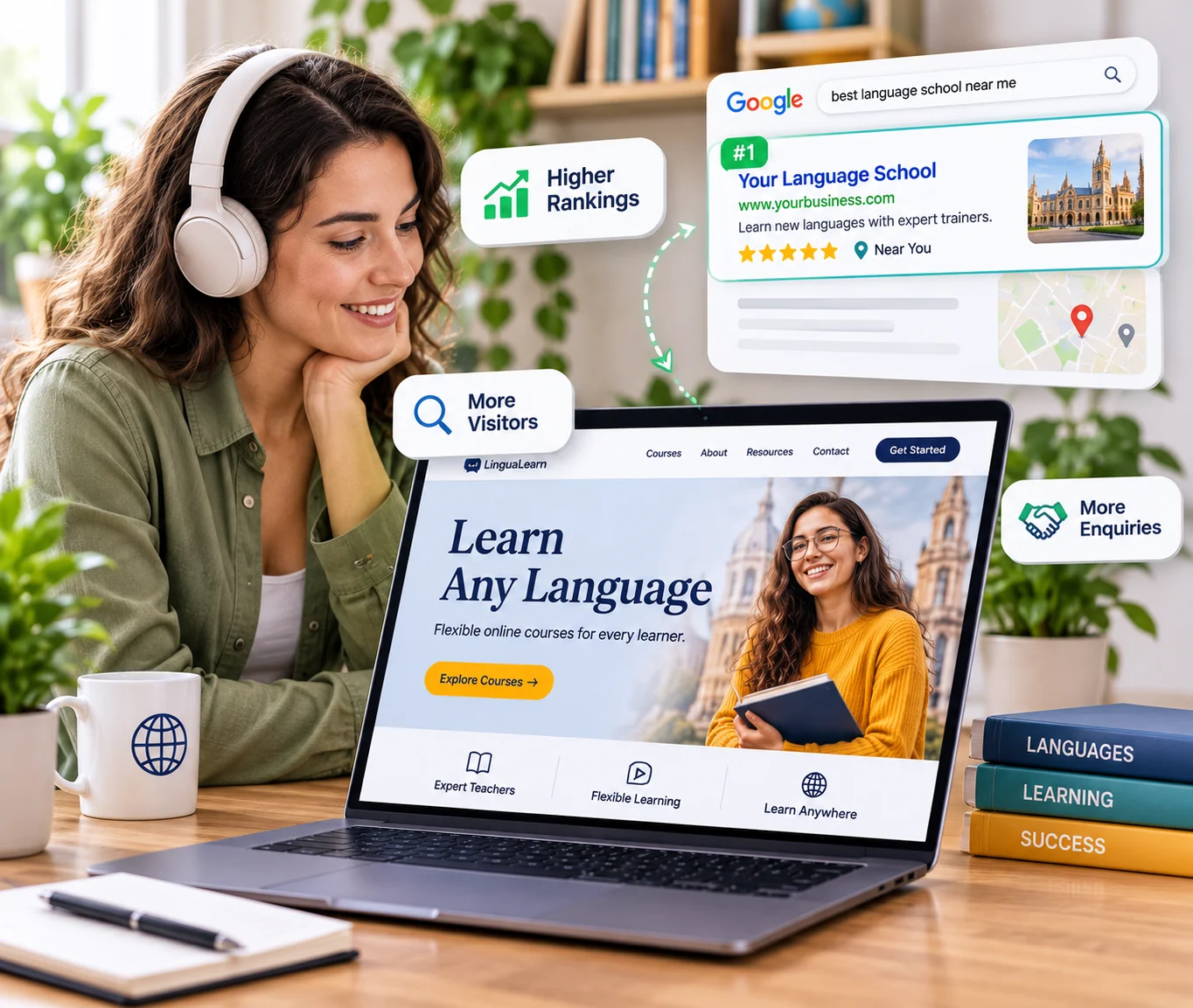
People searching for language courses need relevant answers and providers. Language learning website SEO helps your business improve search visibility and attract relevant visitors.
Visibility
Relevance
Measurement
Our Capabilities
- Keyword and Intent Research
- SEO Audits and Planning
- Content Strategy
- On-Page SEO
- Technical SEO
- Local SEO
- Authority Building

Language Learning SEO Services
Build Search Visibility Around Your Goals
Language learning SEO services help schools, tutors, and course providers improve how potential learners discover their websites through search.
01
What Does the Service Include?
Covers business discovery, keyword research, site structure, SEO audits, content, and on-page work, plus technical health, local visibility, authority signals, and conversion opportunities.
02
Why Does SEO Matter for Language Businesses?
Learners search for courses, tutors, and schools before making contact. If your pages do not match their needs, they may find other providers. A clear SEO strategy can improve discoverability.
03
How Does the Service Address Search Problems?
We identify search opportunities, review your website, and prioritize improvements by potential impact, including language website optimization through content, technical checks, and internal links.
04
Who Can Benefit From These Services?
Online language schools, course providers, tutoring businesses, academies, and test-preparation providers. SEO for language platforms should reflect your audience, goals, and target markets.
Our Approach
Qrolic starts with your goals, audience, and market, sets up measurement, researches search intent, and reviews your website before prioritizing improvements. Ongoing monitoring guides further work.
Benefits
Make Search Performance More Meaningful
SEO should support business goals, not just search rankings. A structured approach can help you understand visibility, improve pages, and assess meaningful actions.

Attract Relevant Visitors
Keyword research connects your pages with searches related to your services. This can help bring more relevant visitors to your website.

Understand Lead Sources
Google Search Console, analytics, and conversion tracking help measure search activity. You can better understand which channels contribute to enquiries and other actions.

Improve Website Structure
Clear page and URL structures help visitors and search engines understand your content. Relevant internal links also make important pages easier to discover.

Address Technical Issues
A technical SEO review checks crawlability, indexing, speed, and mobile usability. Fixing important issues can support a healthier search foundation.

Strengthen Content Relevance
Purposeful content answers questions and matches search intent. A useful content strategy can help your pages serve potential learners throughout their decision process.

Keep Improving Performance
Ongoing monitoring reviews rankings, traffic, conversions, competitors, and content performance. These insights help guide future optimization instead of leaving SEO unchanged.
Ready to Improve Your Website’s Search Visibility?
Free UX Audit
Start with your business goals and understand where SEO improvements may help.

Our Process
How We Approach Language Learning SEO
Our work follows a 13-stage workflow. Some activities continue over time, while migration protection applies when a website changes.
01
Understand Business Goals
02
Set Up Measurement
03
Research Search Intent
04
Plan Website Structure
05
Audit and Create Content
06
Optimize Pages and Technology
07
Improve Local and Website Authority
08
Review Conversions and Monitor Growth
Step 01
Understand Business Goals
We learn about your audience, services, market, locations, competitors, and objectives. This gives the SEO strategy a clear business direction.
Step 02
Set Up Measurement
We configure analytics, Google Search Console, and conversion tracking. This helps you understand how search activity relates to enquiries, sales, bookings, and revenue.
Step 03
Research Search Intent
We study competitors, search demand, keywords, and user intent. This helps identify relevant searches and opportunities for your pages.
Step 04
Plan Website Structure
We review pages, URLs, content topics, and internal links. A clear structure helps visitors and search engines find relevant information.
Step 05
Audit and Create Content
We review on-page, technical, local, off-page, and security issues, then prioritize them by impact. We also create purposeful content around audience questions and search intent.
Step 06
Optimize Pages and Technology
We improve titles, headings, content structure, links, images, and schema. Technical SEO also covers indexing, Core Web Vitals, mobile usability, redirects, canonicalization, and sitemaps.
Step 07
Improve Local and Website Authority
For businesses with a local presence, we review Google Business Profile, local pages, citations, and reviews. Authority work can include backlinks, digital PR, brand mentions, and relevant citations.
Step 08
Review Conversions and Monitor Growth
We review user experience, calls to action, trust signals, and page layouts. Ongoing monitoring tracks performance, while redesign or migration work includes redirect planning and post-launch checks.
Comparison
Choose SEO Built Around Your Business Goals
A generic checklist may overlook your audience, measurement needs, and website issues. A structured approach connects research, optimization, and ongoing review.
Without Qrolic:
Without Qrolic :
- Strategy without clear goals
- Limited conversion measurement
- Broad keyword targeting
- Unplanned website structure
- Unprioritized SEO issues
- Content without clear intent
- Little ongoing performance review
With Qrolic:
With Qrolic :
- Strategy based on business goals
- Measurement before optimization
- Keyword and intent research
- Planned pages and internal links
- Audits prioritized by impact
- Content shaped around search intent
- Ongoing monitoring and improvement
Case Studies
Explore the Process Behind Your SEO
Qrolic’s SEO process covers goals, measurement, research, audits, content, and ongoing monitoring. This page does not present unverified projects, client outcomes, or search performance figures.

WordPress Performance Optimization Case Study – Active Steel Forge Speed & SEO Improvement
Overview Active Steel Forge had a highly data-heavy WordPress website…
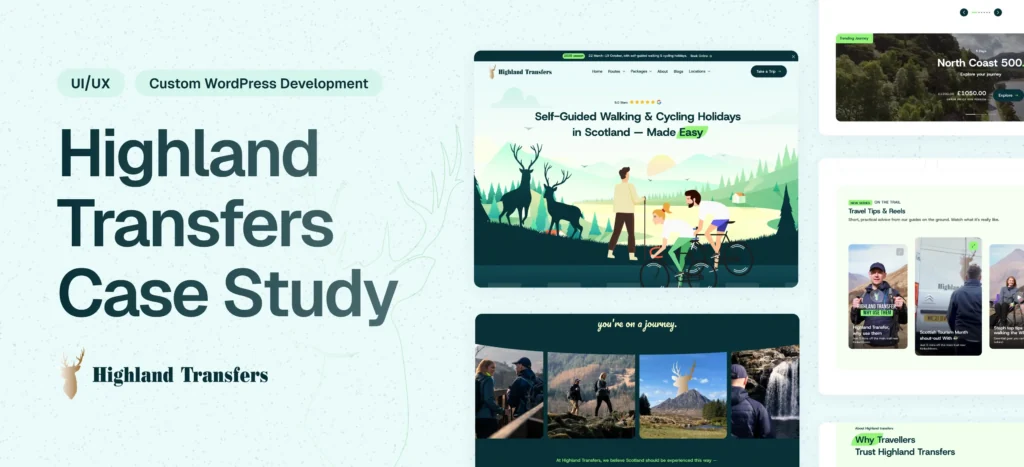
Highland Transfers Website Redesign & Development & SEO Optimization
Overview Highland Transfers is a professional transportation service offering reliable…

Diamond DJ Entertainment Website Design & Development
Overview Diamond DJ Entertainment is a professional event entertainment service…

SEO-Optimized Website for Design Agency – Vini Infotech
Overview Vini Infotech is a graphic design and creative solutions…
Why Choose Qrolic
A Measurable Approach to Language Learning SEO
Qrolic connects business goals with research, technical improvements, content, and ongoing monitoring. The process focuses on meaningful measurement rather than unsupported ranking promises.
0+
Years of WordPress
Delivering top-tier digital services across design, development, and performance.
0+
Happy Clients
Serving global brands with a 95%+ satisfaction rate across industries.

0%
Client satisfaction
We’re committed to delivering solutions that truly make an impact.
0+
Team members
A strong team of experts in WordPress, web technologies, and UI/UX.
Start a Conversation
Let’s Discuss Your SEO Goals
Tell us about your language learning business and website. We can discuss your search visibility, current challenges, and the SEO areas relevant to your goals.
Curious About the Cost? Free
Our website cost calculator is built using real
project data – no guesswork, just honest pricing.
 Message on WhatsApp

Curious About the Cost? Free
Just drop your requirements on WhatsApp, and we’ll send you an instant estimate—no forms, no waiting.
Frequently Asked Questions
Common Questions About Language Learning SEO
Understand what SEO covers, how the work is approached, and what to consider before starting.
What Is SEO for a Language Learning Website?
Language learning website SEO is the process of improving a website’s visibility in relevant search results. It includes keyword research, content, website structure, on-page improvements, technical SEO, and performance measurement.
What Do Language Learning SEO Services Include?
Language learning SEO services can include business and competitor research, keyword planning, SEO audits, content creation, on-page optimization, technical SEO, local SEO where relevant, authority building, and ongoing monitoring.
How Does SEO for Language Platforms Work?
SEO for language platforms starts with understanding the business and its audience. Research identifies relevant searches, while website reviews and optimization help improve content, structure, technical health, and opportunities to attract relevant visitors.
What Does Language Website Optimization Involve?
Language website optimization in this service refers to search-focused improvements. It can include keyword targeting, page titles, headings, internal links, content structure, indexing, site speed, and mobile usability.
How Can I Measure SEO Performance?
Analytics, Google Search Console, and conversion tracking help measure search activity. Ongoing monitoring can review rankings, traffic, conversions, competitors, and content performance to guide further improvements.
Can SEO Protect Visibility During a Website Migration?
SEO migration planning can help reduce the risk of losing search visibility during a redesign or migration. The process includes redirect planning, URL preservation, before-and-after performance comparison, and a post-launch website audit.