Marketplace Website Design and Development for Your Business
A marketplace needs more than a product catalog. Qrolic plans custom design and WordPress development around your business goals, audience, and intended user experience.
Trusted by large companies worldwide

















Introduction
Build a Marketplace Website Around Your Business Goals
Marketplace website development creates a platform where multiple sellers, providers, or hosts offer products, services, or rentals to buyers. Its structure should reflect your model and users.
Clarity
Control
Ownership
Our Capabilities
- Business-Led Planning
- User Experience Planning
- Custom UI/UX Design
- Custom WordPress Development
- Business Tool Integrations
- Training and Handover

Marketplace Website Development
Plan the Right Foundation for Your Marketplace
A marketplace brings multiple parties together through one website. Its design and technical foundation should reflect your business model, audience, and plans for managing the platform.
01
What Does the Service Include?
Marketplace website development covers business-led planning, user experience, custom design, WordPress development, supported integrations, and content management. The exact scope should follow your requirements rather than assume every marketplace needs the same functionality.
02
Why Does the Right Approach Matter?
A marketplace serves multiple groups, often including buyers, sellers, and an operator. A generic website structure may not explain each group’s next step clearly. Planning the experience first helps make the intended journeys easier to understand.
03
How Does the Service Help?
Custom marketplace development starts with your business goals instead of forcing every requirement into a template. Qrolic plans the experience, builds a custom WordPress foundation, and considers integrations or additional functionality where the requirements call for them.
04
Who Is It For?
This service may suit founders planning a new marketplace, businesses connecting suppliers and customers, or operators reviewing an existing website. The right fit depends on the marketplace model and the specific functionality your project requires.
Our Approach
Qrolic begins with your business, audience, and positioning, then plans the user experience and creates a distinctive design. Development uses a custom WordPress block theme, a focused plugin stack, and suitable custom functionality, followed by staging, updates, training, and handover.
Benefits
Create a Marketplace Website You Can Manage
Your marketplace should reflect your business model and give your team control over routine website management. A planned process also helps you understand progress and responsibilities.

Distinctive Brand
Custom design reflects your business and positioning. Your website can have an identity beyond a generic template.

Clearer Journeys
Planned navigation and content hierarchy help visitors understand the website. Calls to action give them clearer next steps.

Content Control
Dynamic elements and CMS capabilities support routine updates. Your team can manage website content without relying on developers for every change.

Focused Development
A focused plugin stack avoids adding unnecessary dependencies. Custom functionality can address requirements that standard tools do not cover.

Visible Progress
An early staging site lets you review work during development. Regular updates and calls help you follow decisions and progress.

Ownership and Training
Your website, domain, hosting, and essential accounts remain under your ownership. A guide and live training help your team manage the website.
Planning a Marketplace Around Your Business Model?
Free Recruitment Site Review
Start by defining your marketplace, intended users, and essential requirements. Discuss your goals before deciding on the build scope.

How We Work
Our Website Development Process
The supplied Qrolic workflow guides planning, design, development, visibility, and handover. The steps below group related activities in their original order.
01
Design Around Your Business
02
Plan User Experience
03
Create Custom Design
04
Build the WordPress Foundation
05
Enable Content Management
06
Keep Development Lean
07
Connect Tools and Workflows
08
Review Progress Transparently
09
Prepare for Ownership
Step 01
Design Around Your Business
Qrolic considers your audience, offerings, positioning, and goals. This gives the project a business-led direction.
Step 02
Plan User Experience
Page structure, user journeys, navigation, content hierarchy, and calls to action are planned before development. Visitors get a clearer path through the website.
Step 03
Create Custom Design
The UI/UX design reflects your industry and brand. This establishes a distinctive digital experience instead of relying on a generic template.
Step 04
Build the WordPress Foundation
Qrolic develops a custom WordPress block theme with clean code and a focus on performance, security, and scalability.
Step 05
Enable Content Management
Dynamic elements and CMS capabilities let your team manage website content and page types as the business changes.
Step 06
Keep Development Lean
A focused plugin stack and custom development help avoid unnecessary dependencies. The implementation can reflect the agreed requirements.
Step 07
Connect Tools and Workflows
Qrolic can connect supported business tools and identify automation opportunities. The aim is to help the website fit into your wider workflow.
Step 08
Review Progress Transparently
You can see the website on an early staging site. Regular updates and calls help you stay informed throughout development.
Step 09
Prepare for Ownership
Before launch, Qrolic provides a management guide and live training call. Your website, domain, hosting, and essential accounts remain under your ownership.
Comparison
Choose Marketplace Development That Fits Your Goals
A generic website approach may not reflect a marketplace with multiple user groups. A business-led process defines the experience, technical foundation, and requirements before development.
Other Services
Without Qrolic :
- Generic template-led planning
- User journeys considered late
- Limited brand differentiation
- Unfocused plugin selection
- Tools planned in isolation
- Limited visibility into progress
- Unclear management handover
Qrolic Technologies
With Qrolic :
- Planning around business goals
- Journeys planned before development
- Custom UI/UX and brand design
- Focused plugins and custom code
- Supported integrations considered
- Staging, updates, and calls
- Training and ownership handover
Case studies
Evaluate Marketplace Projects by Their Scope
Every marketplace has its own users, business model, and technical requirements. Evaluate a proposed project against those needs, its agreed functionality, and the ownership expected by the operator.

Custom Checkout.com Payment Gateway Integration for WordPress & Gravity Forms
Overview The client required a more advanced Checkout.com payment solution…

Legacy Executive Travel Website Redesign Case Study – Luxury Chauffeur Platform
Overview Legacy Executive Travel is a UK-based luxury chauffeur company…
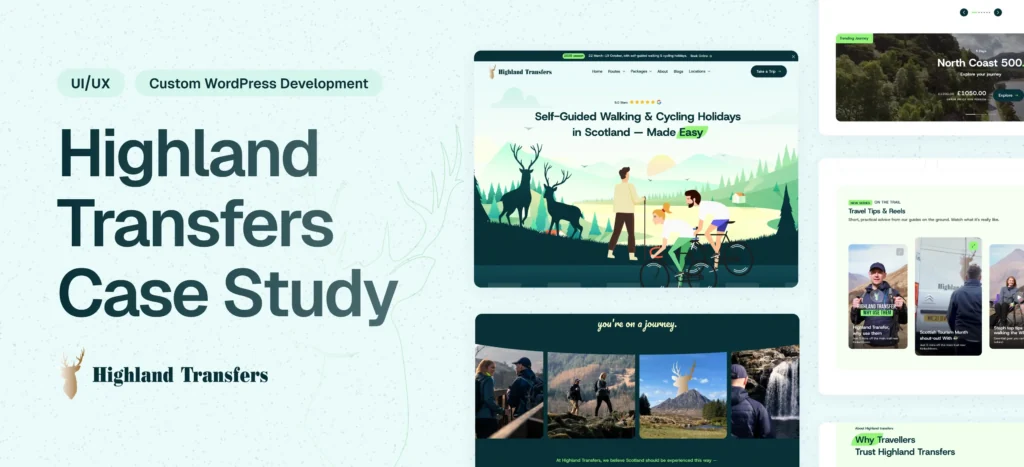
Highland Transfers Website Redesign & Development & SEO Optimization
Overview Highland Transfers is a professional transportation service offering reliable…

First Pass Airport Website Development & Smart Booking System
Overview First Pass Airport is a premium airport concierge service…
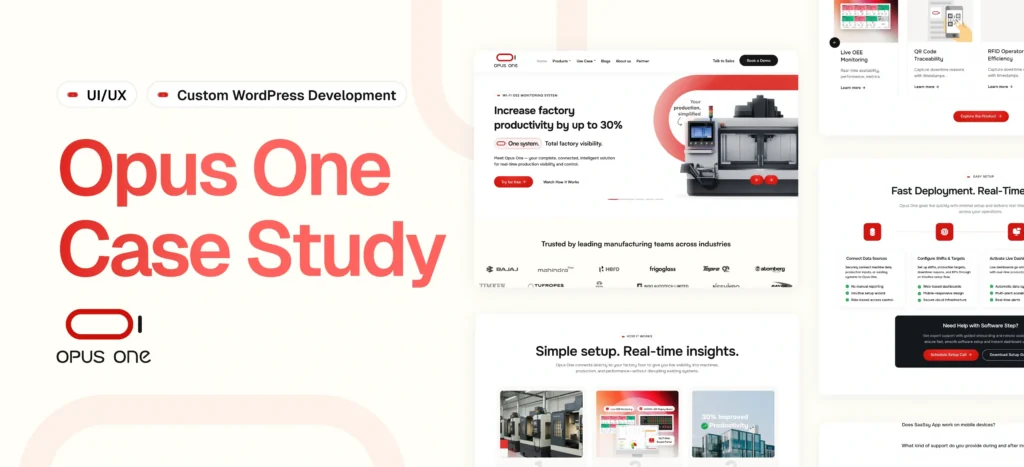
OpusOne – Scalable Product & Technology Platform
Delivered a flexible, scalable platform for managing products, sectors, and…
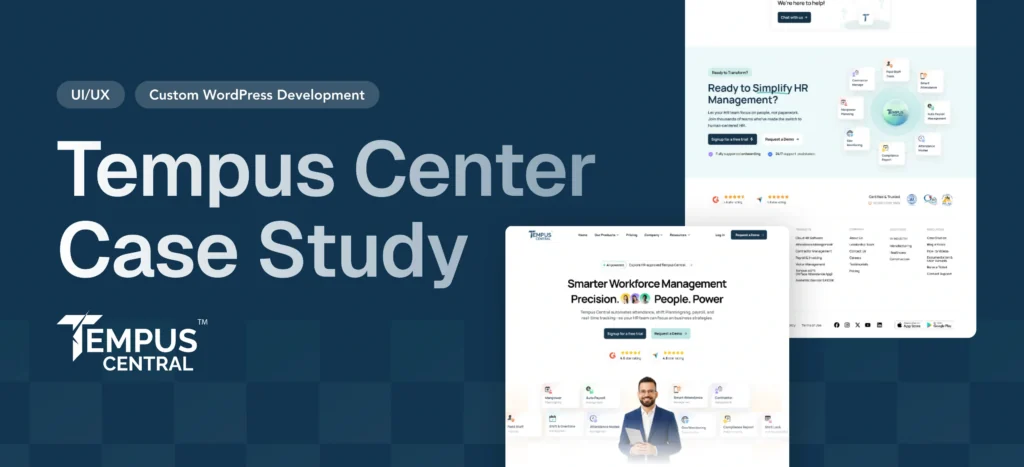
Tempus Central – HR & Workforce Management Website
Delivered a modular, scalable website with dynamic styling and seamless…
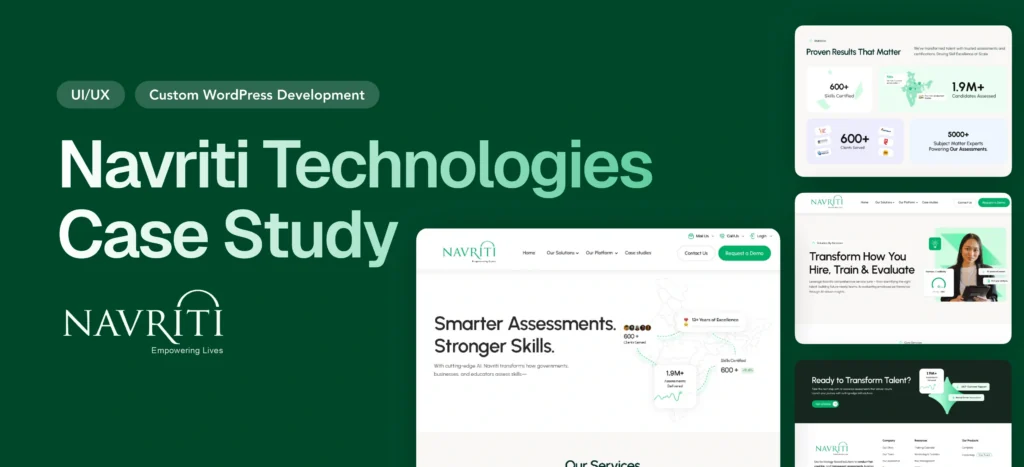
Empowering India’s Skilling Movement — Navriti Website Redesign
Navriti Technologies is leading India’s skilling and employability movement. But…
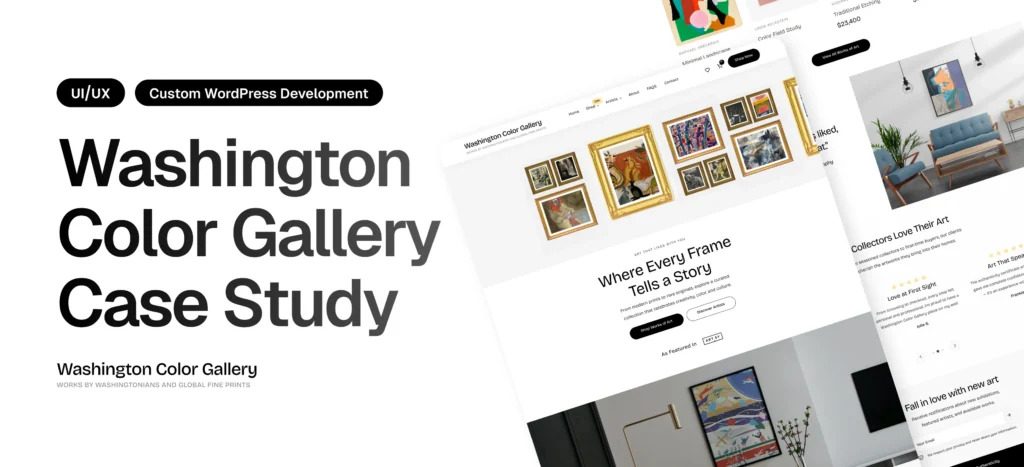
Washington Color Gallery Case Study – WordPress Redesign & Performance Optimization
Overview Washington Color Gallery is a contemporary art platform showcasing…
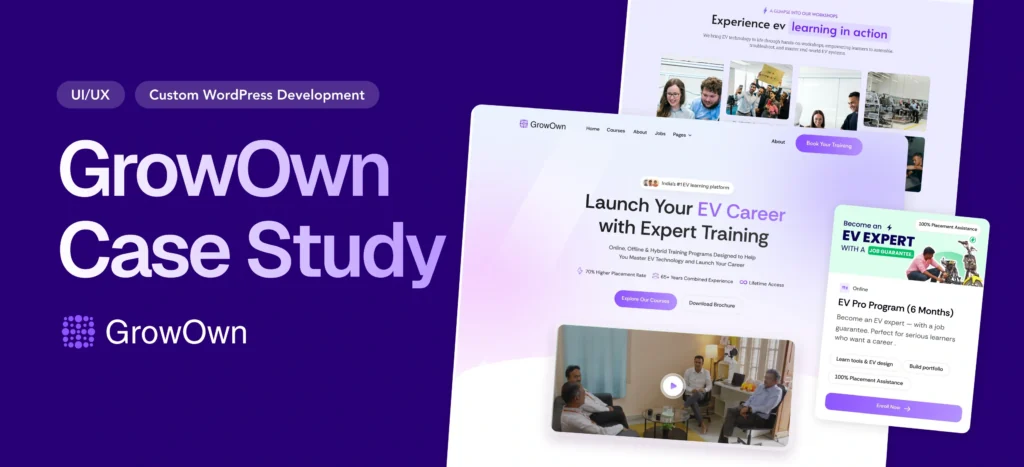
Building India’s Leading EV Learning Platform from Scratch: The Growown Success Story
Overview GrowOwn is an innovative EV (Electric Vehicle) learning platform…
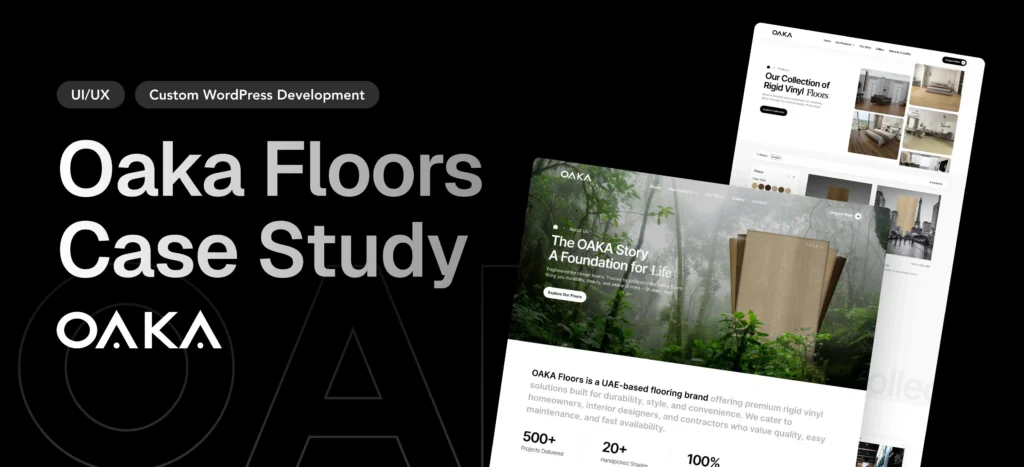
Premium Digital Experience That Matches OAKA’s Luxury Flooring Standards
Overview OAKA is a premium luxury flooring brand focused on…
Why Choose Qrolic
A Marketplace Website Built Around Your Business
As a marketplace development company, Qrolic combines business-led planning, custom design, WordPress development, transparent pricing, and ownership in one workflow. Scope is defined first.
0+
Years of WordPress
Delivering top-tier digital services across design, development, and performance.
0+
Happy Clients
Serving global brands with a 95%+ satisfaction rate across industries.

0%
Client satisfaction
We’re committed to delivering solutions that truly make an impact.
0+
Team members
A strong team of experts in WordPress, web technologies, and UI/UX.
Start Your Project
Discuss Your Marketplace Website Requirements
Share your marketplace idea, intended users, and business goals. Clear requirements help establish the right website scope and identify the functionality your project may need.
Curious About the Cost? Free
Just drop your requirements on WhatsApp, and we’ll send you an instant estimate—no forms, no waiting.


Curious About the Cost? Free
Just drop your requirements on WhatsApp, and we’ll send you an instant estimate—no forms, no waiting.
Frequently Asked Questions
Marketplace Development Questions Answered
Understand the basics of marketplace website development, the decisions involved, and what to clarify before planning your project.
What Is Marketplace Website Development?
Marketplace website development is the process of designing and building a website where multiple sellers, service providers, or hosts offer products, services, or rentals to buyers. Unlike a single-seller online store, a marketplace brings multiple parties together under one operator.
What Types of Marketplaces Can Be Built?
Marketplace models include B2B platforms connecting businesses, B2C platforms serving consumers, and C2C platforms connecting individuals. Marketplaces can focus on products, services, rentals, or a particular niche. The appropriate model and its required functionality should be established before agreeing on the development scope.
How Does a Marketplace Differ From Ecommerce?
A conventional ecommerce website usually sells products for one business. A marketplace brings multiple sellers or providers together, with an operator managing the overall platform. That difference can affect user journeys, seller processes, transaction handling, and the technical requirements.
Can WordPress Be Used for a Marketplace?
WordPress provides content management and can be extended with plugins and custom development. However, a marketplace may need multi-vendor accounts, commissions, payouts, verification, or booking logic. These requirements should be assessed individually before confirming whether a WordPress-based implementation is suitable.
How Do Marketplaces Make Money?
Common models include commissions on completed transactions, listing fees, subscriptions, advertising, or a combination. The right model depends on the marketplace’s audience and business plan. Its transaction and payment requirements should be considered separately during project planning.
How Much Does Marketplace Development Cost?
Marketplace development cost depends on the model, design requirements, custom functionality, integrations, and transaction flows. There is no single price that applies to every project. Define the essential features, intended users, and build requirements before evaluating a project estimate.