Performing Arts SEO Services That Grow Search Visibility
Help audiences find your productions, classes, venues, and organization through search. Qrolic connects SEO with measurable actions and ongoing improvement.
Trusted by large companies worldwide













Introduction
SEO Built Around Performing Arts Goals
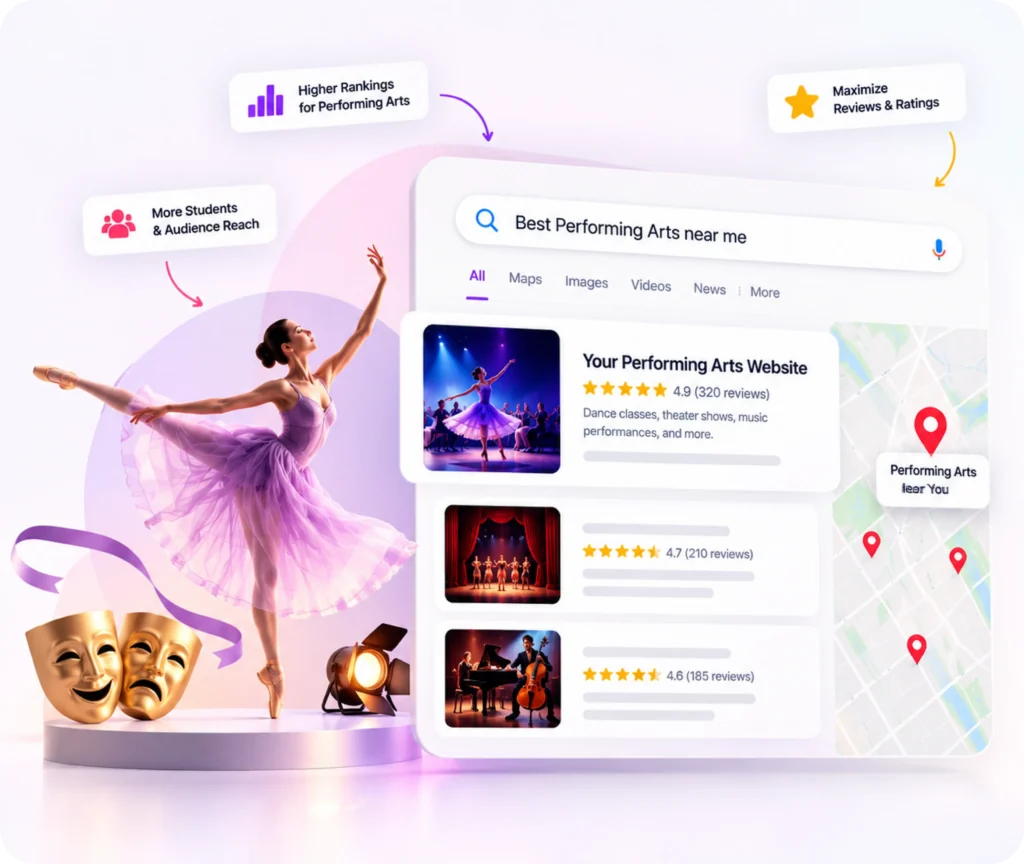
Performing arts SEO services help the right people discover productions, classes, venues, and organizations, then take meaningful action such as buying, enrolling, donating, or enquiring.
Relevant
Measurable
Ongoing
Our Capabilities
- Goal-Led SEO Strategy
- Search Demand Research
- Site Structure Planning
- Prioritized SEO Audits
- Purposeful Content
- Technical SEO
- Conversion Review

SEO Strategy
A Search Strategy Built for the Arts
Performing arts organizations have productions, events, venues, classes, and other pages with different search and conversion needs. SEO needs to account for that structure.
01
What Does SEO Include?
The service covers strategy, measurement, search-demand research, site structure, audits, content, on-page optimization, technical SEO, local SEO where relevant, conversion review, authority building, monitoring, and migration protection.
02
Why Does It Matter?
People may search for a production, theatre, venue, class, or organization before they visit a website. A clear SEO strategy helps connect relevant searches with useful pages and meaningful actions.
03
How Does It Solve Search Problems?
Qrolic starts with business goals and measurement, then researches demand and improves structure, content, on-page elements, technical foundations, local visibility, and conversion paths according to identified needs.
04
Who Is It For?
SEO for performing arts can support theatres, dance and music organizations, venues, festivals, schools, studios, ensembles, opera organizations, and production companies where the service fits their search and audience goals.
Our Approach
Qrolic treats SEO as an ongoing growth system rather than a one-time optimization project. The workflow connects goals, measurement, research, site improvements, content, technical work, conversion, authority, monitoring, and migration protection.
Benefits
Build Better Visibility and Better Actions
Performing arts SEO connects search visibility with business goals. The process focuses on discovery, measurement, usability, and continuous improvement.

Better Discovery
Relevant audiences can more easily find productions, classes, venues, and organizational information through search.

Clearer Measurement
Analytics, Search Console, and conversion tracking help connect search activity with meaningful actions.

Stronger Structure
Organized pages, URLs, topics, and internal links make important content easier to navigate and understand.

Purposeful Content
Content is planned around questions, needs, and search intent instead of publishing without a clear purpose.

Better Conversion Paths
UX, calls to action, trust signals, and layouts are reviewed so visitors have clearer paths to act.

Ongoing Improvement
Monitoring rankings, traffic, conversions, competitors, content, and changes supports an SEO process that keeps evolving.
Make Search Visibility Part of Your Growth Strategy
Free UX Audit
Connect your search activity with measurable goals and an ongoing SEO process.

Our Process
Our 13-Stage SEO Process
The process connects business goals, measurement, search demand, site improvements, conversion, authority, and ongoing SEO management.
01
Goals and Measurement
02
Search Demand
03
Search-Friendly Structure
04
SEO Problem Solving
05
Content and On-Page SEO
06
Technical and Local Visibility
07
Conversion and Authority
08
Ongoing Growth and Protection
Step 01
Goals and Measurement
Start With Your Business Goals and Make Every Result Measurable. Qrolic aligns SEO with priorities such as tickets, enrollment, donations, or bookings, then establishes measurement before optimization.
Step 02
Search Demand
Find the Searches That Matter by researching competitors, intent, opportunities, services, and locations. This helps focus SEO on searches connected to the audiences you want to reach.
Step 03
Search-Friendly Structure
Build a Website That Search Engines Can Understand through clearer pages, URLs, topics, and internal links. This creates a more understandable structure for users and search engines.
Step 04
SEO Problem Solving
Find and Fix SEO Problems through a prioritized audit covering on-page, technical, local, off-page, and security considerations. The focus is on addressing important issues first.
Step 05
Content and On-Page SEO
Create Content With a Purpose, then Turn Existing Pages Into Better Search Results. Content addresses search intent while titles, headings, structure, links, images, and schema are improved where appropriate.
Step 06
Technical and Local Visibility
Strengthen Your Technical Foundation by addressing areas such as crawlability, indexing, speed, mobile experience, redirects, canonicals, and sitemaps. Increase Visibility in Local Searches when the organization is a local business.
Step 07
Conversion and Authority
Turn More Visitors Into Customers through conversion review covering UX, CTAs, trust signals, and layouts. Build Your Website’s Authority through relevant authority-building activities such as backlinks, mentions, citations, and digital PR.
Step 08
Ongoing Growth and Protection
Keep Improving Your Growth through ongoing monitoring and iteration. Protect SEO During a Redesign or Migration when a site change occurs by planning redirects, preserving URLs, and reviewing the new site.
Comparison
Why Performing Arts SEO Needs a Focused Approach
A generic SEO process can overlook seasonal productions, classes, venues, and different audience actions. A focused approach connects those needs to measurable search work.
Without Qrolic:
Without Qrolic :
- Broad keyword targeting
- Optimization without measurement
- Generic site structure
- Content without clear intent
- Technical issues handled randomly
- Traffic treated as the end goal
- One-time optimization mindset
With Qrolic:
With Qrolic :
- Search demand tied to goals
- Measurement before optimization
- Structure for relevant content
- Content built around search needs
- Problems prioritized by impact
- Conversion paths reviewed
- Ongoing monitoring and improvement
Case Studies
Evidence-Based SEO Without Invented Results
No verified performing arts case studies, client results, testimonials, rankings, traffic figures, or ticket-sales metrics were supplied for this page. The service is therefore presented using the verified workflow and supported capabilities rather than unverified performance claims.

WordPress Performance Optimization Case Study – Active Steel Forge Speed & SEO Improvement
Overview Active Steel Forge had a highly data-heavy WordPress website…

Highland Transfers Website Redesign & Development & SEO Optimization
Overview Highland Transfers is a professional transportation service offering reliable…
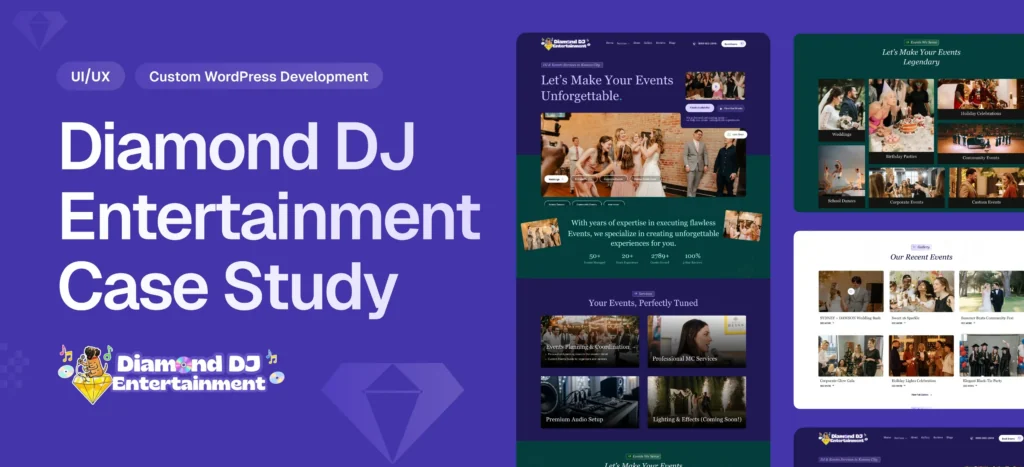
Diamond DJ Entertainment Website Design & Development
Overview Diamond DJ Entertainment is a professional event entertainment service…

SEO-Optimized Website for Design Agency – Vini Infotech
Overview Vini Infotech is a graphic design and creative solutions…
Why Choose Qrolic
A Measurable SEO Process for Performing Arts
Qrolic’s approach starts with business goals and measurement, then follows a defined 13-stage process. It supports ongoing improvement rather than treating SEO as a one-time project.
0+
Years of WordPress
Delivering top-tier digital services across design, development, and performance.
0+
Happy Clients
Serving global brands with a 95%+ satisfaction rate across industries.

0%
Client satisfaction
We’re committed to delivering solutions that truly make an impact.
0+
Team members
A strong team of experts in WordPress, web technologies, and UI/UX.
Get Started
Build a Clearer Path From Search to Action
Start with your business goals and identify where search visibility, measurement, content, and conversion can support your organization.
Curious About the Cost? Free
Our website cost calculator is built using real
project data – no guesswork, just honest pricing.


Curious About the Cost? Free
Just drop your requirements on WhatsApp, and we’ll send you an instant estimate—no forms, no waiting.
Frequently Asked Questions
Performing Arts SEO FAQs
Performing arts SEO can involve productions, venues, classes, donations, and other audience goals. These answers explain the service and its process clearly.
What are performing arts SEO services?
Performing arts SEO services improve how productions, venues, classes, organizations, and related pages can be discovered through search. The process connects search visibility with business goals and actions such as ticket purchases, enrolment, donations, bookings, and enquiries.
How does SEO for performing arts work?
SEO for performing arts starts with business goals and measurement, followed by search-demand research, site structure, audits, content, on-page optimization, technical SEO, local SEO where relevant, conversion review, authority building, monitoring, and migration protection.
What is included in SEO services for arts industry organizations?
SEO services for arts industry organizations can cover strategy, tracking setup, keyword and search-demand research, site structure, SEO audits, purposeful content, on-page optimization, technical SEO, local SEO where applicable, conversion review, authority building, ongoing monitoring, and redesign or migration protection.
Can SEO help promote productions and shows?
SEO can support the discovery of productions and show pages by aligning site structure, content, search intent, and on-page optimization with relevant searches. It does not guarantee ticket sales, rankings, traffic levels, or other specific results.
Does local SEO apply to performing arts organizations?
Local SEO is included for local businesses within the supplied workflow. It can support local discovery through areas such as Google Business Profile, local pages, citations, reviews, and local relevance when applicable.
Can SEO support a website redesign or migration?
Yes. The workflow includes Protect SEO During a Redesign or Migration when a redesign or migration occurs. This includes redirect planning, URL preservation, before-and-after comparison, and a review of the new site to help protect existing search visibility.
How does Qrolic measure SEO progress?
The process includes Make Every Result Measurable, using analytics, Search Console, and conversion tracking before optimization. Ongoing monitoring can then consider rankings, traffic, conversions, competitors, content, and algorithm changes.
Is SEO a one-time project?
The supplied approach treats performing arts SEO services as an ongoing growth system rather than a one-time optimization project. The workflow includes monitoring and iteration so the strategy can continue to adapt over time.