Print Media Website Design That Connects Readers
Your print publication deserves a digital presence that reflects its identity. Build a reader-friendly website that supports editorial needs and digital growth.
Trusted by large companies worldwide.
















Introduction
Bring Your Print Publication Online
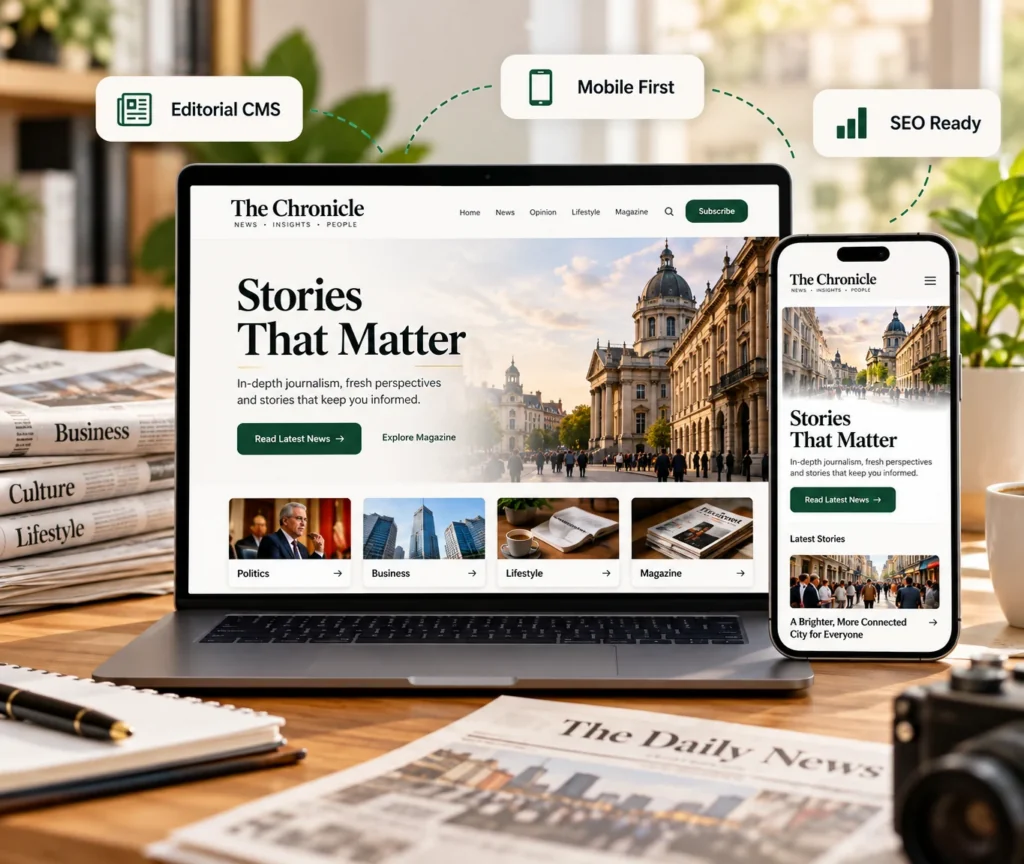
Print media website design helps newspapers, magazines, and publishers extend their established identity into digital while supporting editorial workflows and reader engagement.
Recognition
Readability
Efficiency
Our Capabilities
- Print-Brand-Aligned Website Design
- Editorial CMS Development
- Mobile-First Reader Experience
- Advertising System Integration
- Content Migration Support
- Technical SEO Foundation
- Editorial Training and Documentation

Specialized Publishing Solutions
Print Media Website Development for Publishers
Print media companies need websites that preserve their publication identity while making digital publishing easier. We address design, content management, and reader experience for print-first organizations.
01
What Does the Service Include?
Print media website design combines publication-focused visual design with website development, covering digital brand presentation, editorial content structures, responsive layouts, advertising integrations, content migration, and technical SEO.
02
Why Does Your Publication Need It?
An outdated or generic website can weaken the connection between your print publication and digital readers, and editorial teams may spend unnecessary time adapting content. A purpose-built website helps address these challenges.
03
How Does the Service Solve These Challenges?
The website carries your print identity into digital through familiar branding, typography, and visual elements. Its content structure supports articles, issues, and sections, and responsive layouts help readers access content across devices.
04
Who Can Benefit From This Service?
The service is intended for local newspapers, regional publications, consumer magazines, trade publications, and print-first media businesses. It also suits publishers replacing outdated websites or building a stronger digital presence.
Our Approach
Qrolic begins by understanding your business, audience, and requirements, then moves through user experience planning, custom design, development, CMS configuration, and integrations. Staging previews, training, and ownership support a transparent project.
Benefits
Build a Better Digital Experience for Readers
A publication-focused website connects your established print identity with digital audiences. It also gives editorial teams a more suitable content management environment.

Consistent Brand Identity
Carry your publication’s masthead, typography, and visual identity into digital. Give readers a familiar experience across channels.

Easier Content Management
Organize articles, issues, and sections through suitable content structures. Reduce unnecessary duplication in editorial work.

Better Mobile Reading
Present publication content through responsive layouts. Help readers access articles comfortably across mobile devices.

Balanced Advertising
Plan advertising placements around the reading experience. Support digital monetization without making content difficult to access.

Improved Content Discoverability
Establish a technical SEO foundation for publication content. Support search engines in understanding your website and its articles.

Greater Platform Ownership
Maintain control over your website and its code. Give your publication more flexibility when future changes become necessary.
Ready to Give Your Publication a Digital Home?
Free UX Audit
Build a website that reflects your print identity and supports your digital publishing needs.

How We Work
Our Print Media Website Development Process
A structured project approach connects your publication’s requirements with design, development, and editorial readiness.
01
Understand Your Business
02
Plan the User Experience
03
Design a Distinctive Interface
04
Build the WordPress Website
05
Set Up Editable Content and CMS
06
Keep the Build Lean
07
Connect Tools and Add Functionality
08
Review Progress on Staging
09
Train and Hand Over Ownership
Step 01
Discovery and Requirements
We understand your business, audience, and website requirements. This establishes the priorities that guide the project.
Step 02
User Experience Planning
We plan the website experience around readers and editorial needs. This helps establish suitable content organization and navigation.
Step 03
Custom UI Design
We develop a website design aligned with your publication’s identity. The visual direction carries familiar brand elements into digital.
Step 04
Website Development
We develop the website based on the agreed design and requirements. This turns the planned experience into a functional digital platform.
Step 05
CMS Configuration
We configure the content management system around the website’s content requirements. This helps editorial teams manage publication content.
Step 06
Relevant Integrations
We address the integrations included in the agreed project scope. These may cover advertising or other applicable website systems.
Step 07
Staging and Review
You can review the website through a staging preview. This provides an opportunity to assess the implementation before handover.
Step 08
Training and Handover
We provide editorial training and documentation. Your team receives guidance for managing the website and understanding its platform.
Comparison
Why Specialized Print Media Website Design Matters
Generic website approaches can overlook publication branding and editorial requirements. A specialized approach considers both reader experience and print-to-digital content needs.
Without Qrolic:
Without Qrolic :
- Generic visual templates
- Limited publication identity
- General-purpose content structures
- May lack mobile-first layouts
- Unplanned advertising placement
- Limited editorial considerations
- Unclear ownership arrangements
With Qrolic:
With Qrolic :
- Publication-aligned visual design
- Print brand continuity
- Periodical content structures
- Mobile-first reader experience
- Considered advertising integration
- Editorial-focused CMS configuration
- Client platform ownership
Case Studies
Explore Website Solutions for Publishers
Every publication has different branding and editorial requirements. Explore how Qrolic approaches website solutions for publishers.
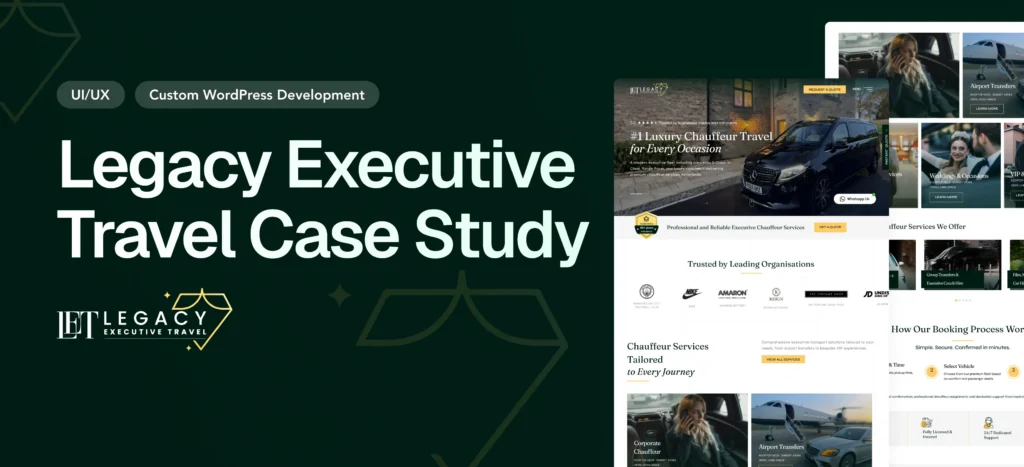
Legacy Executive Travel Website Redesign Case Study – Luxury Chauffeur Platform
Overview Legacy Executive Travel is a UK-based luxury chauffeur company…
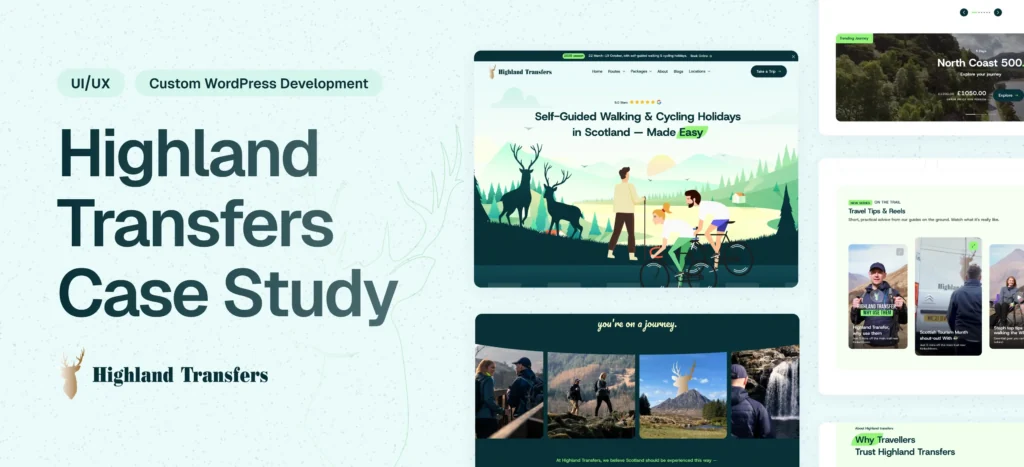
Highland Transfers Website Redesign & Development & SEO Optimization
Overview Highland Transfers is a professional transportation service offering reliable…
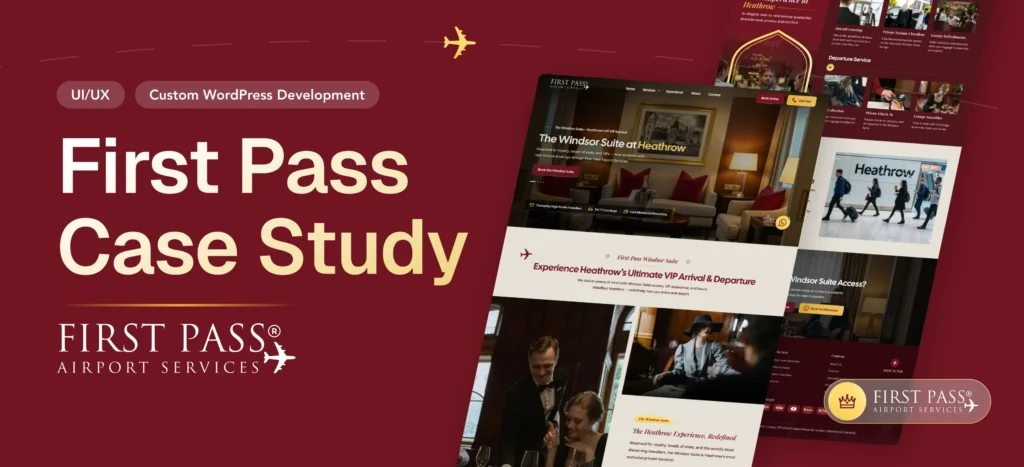
First Pass Airport Website Development & Smart Booking System
Overview First Pass Airport is a premium airport concierge service…
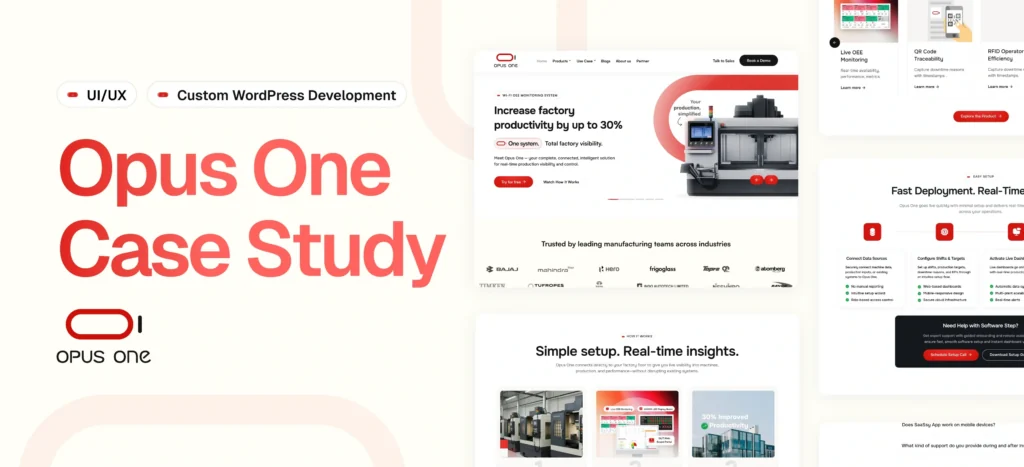
OpusOne – Scalable Product & Technology Platform
Delivered a flexible, scalable platform for managing products, sectors, and…
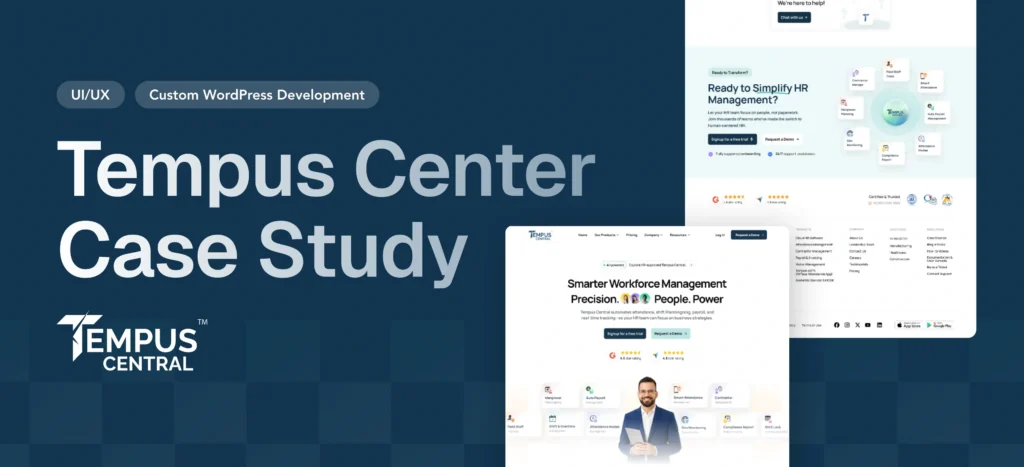
Tempus Central – HR & Workforce Management Website
Delivered a modular, scalable website with dynamic styling and seamless…
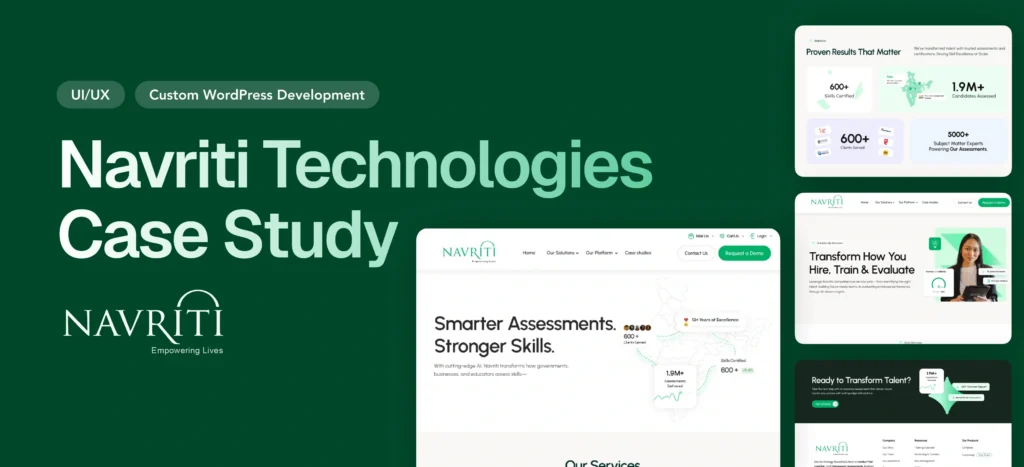
Empowering India’s Skilling Movement — Navriti Website Redesign
Navriti Technologies is leading India’s skilling and employability movement. But…
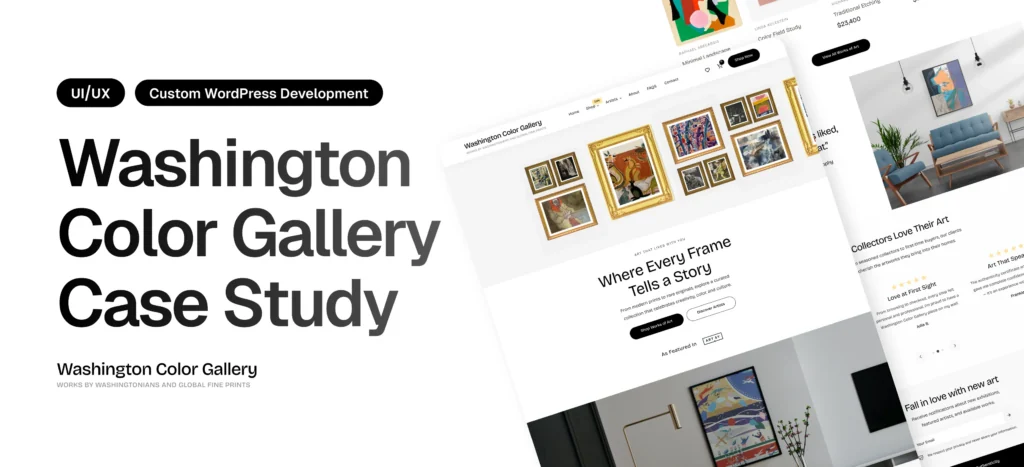
Washington Color Gallery Case Study – WordPress Redesign & Performance Optimization
Overview Washington Color Gallery is a contemporary art platform showcasing…
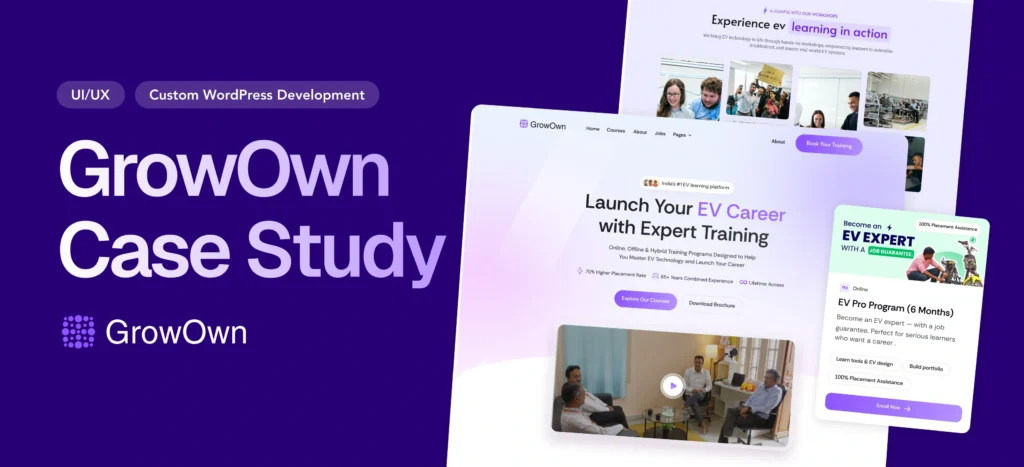
Building India’s Leading EV Learning Platform from Scratch: The Growown Success Story
Overview GrowOwn is an innovative EV (Electric Vehicle) learning platform…
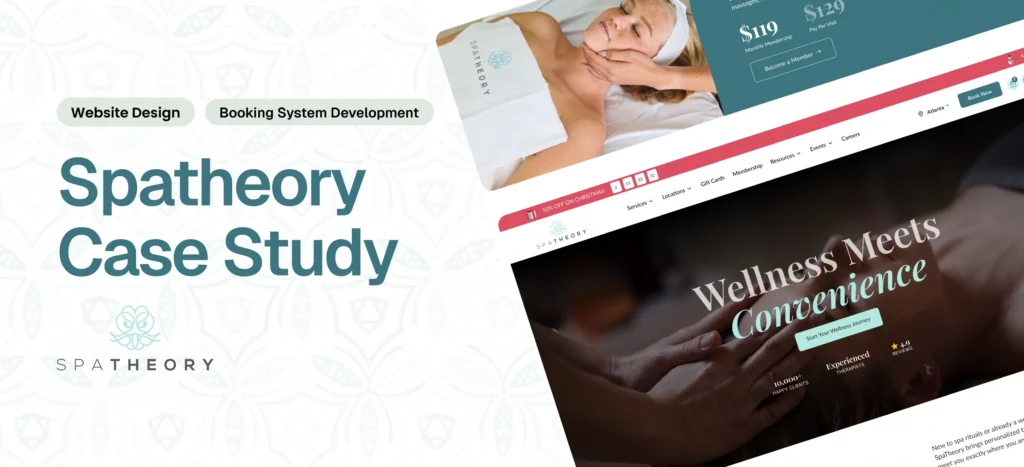
Spatheory – Luxury Spa Booking Platform Transformation
Delivered a fast, scalable platform with a seamless booking experience…
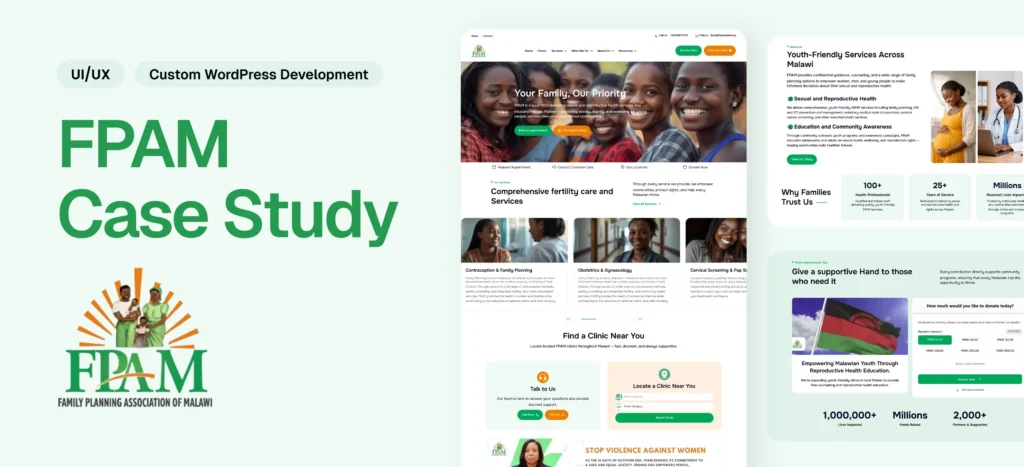
Family Planning Association of Malawi (FPAMalawi) Website Modernization
Delivered a modern healthcare platform with structured content, booking, donation,…
Why Choose Qrolic
Website Solutions Built Around Print Media Needs
Qrolic approaches print media company website design with attention to publication identity, editorial requirements, and reader experience, from planning and design to development and handover.
0+
Years of WordPress
Delivering top-tier digital services across design, development, and performance.
0+
Happy Clients
Serving global brands with a 95%+ satisfaction rate across industries.
0%
Client satisfaction
We’re committed to delivering solutions that truly make an impact.
0+
Team members
A strong team of experts in WordPress, web technologies, and UI/UX.
Start a Conversation
Let’s Build Your Publication’s Website
Share your publication’s goals and website requirements. Discuss a digital solution that reflects your brand and supports your editorial operations.
Curious About the Cost? Free
Our website cost calculator is built using real
project data – no guesswork, just honest pricing.
 Message on WhatsApp

Curious About the Cost? Free
Just drop your requirements on WhatsApp, and we’ll send you an instant estimate—no forms, no waiting.
Frequently Asked Questions
Common Questions About Our Services
Explore answers about print media website design, editorial requirements, development, and project delivery before choosing your website solution.
What Is Print Media Website Design?
Print media website design is the process of creating websites for newspapers, magazines, and other print publications. It translates an established print identity into a digital experience while considering reader needs, content organization, and editorial operations.
How Is This Different From Publishing Website Design?
Print media company website design focuses on newspapers, magazines, periodicals, and editorial content. Publishing website design may focus on book catalogs, author profiles, and book sales. The distinction lies in the publication’s content structure and business requirements.
How Do You Translate Print Branding Online?
The design approach considers your publication’s masthead, typography, colors, and visual identity. These elements guide the website’s visual direction while layouts and navigation are adapted for digital reading rather than copied directly from printed pages.
Does Print Media Website Development Include a CMS?
Yes, the service includes content management system configuration as part of the website development scope. The content structure can accommodate publication requirements such as articles, issues, and sections, helping editorial teams manage their digital content.
Can You Develop Newspaper and Magazine Websites?
Yes. Print media website development is intended for different types of print-first publishers, including local newspapers, regional publications, consumer magazines, and trade publications. The website requirements depend on your publication’s content, audience, and digital objectives.
Can You Integrate Advertising Into the Website?
Advertising integration can be included according to the agreed project requirements. The approach considers advertising placement alongside content readability, helping publications address digital advertising needs without unnecessarily disrupting the reader experience.