Virtual Reality Website Design That Drives Bookings
VR customers need clear answers before they book. Qrolic creates custom websites for VR businesses, helping visitors understand experiences and navigate information with confidence.
Trusted by large companies worldwide















Introduction
Turn VR Website Visitors Into Customers
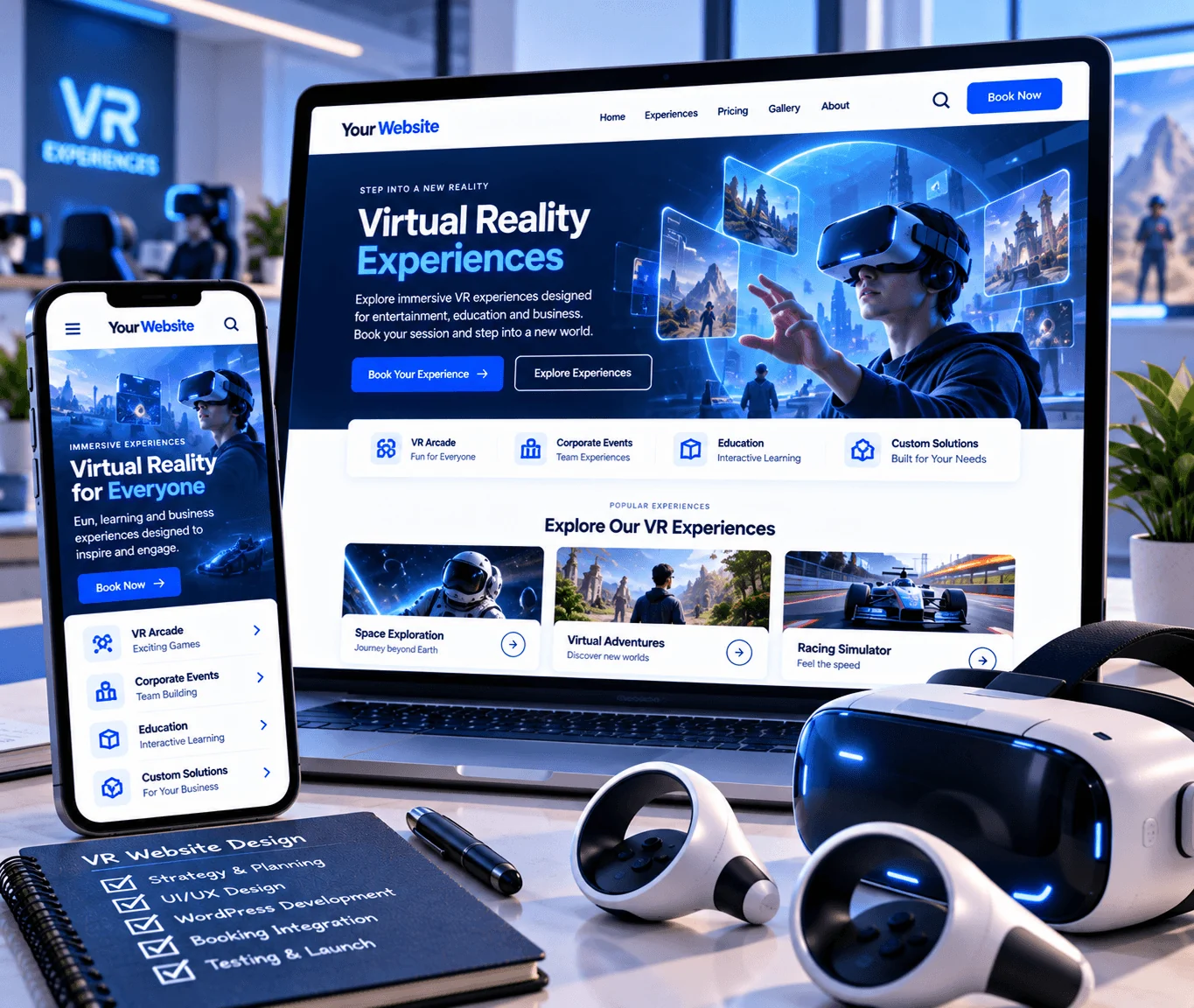
Virtual reality website design helps VR businesses explain their offerings, answer first-time visitor questions, and present booking information through a clear, accessible website experience.
Clarity
Usability
Ownership
Our Capabilities
- Business-Focused Website Design
- User Experience Planning
- Custom UI/UX Design
- WordPress Block Theme Development
- Content Management Implementation
- Third-Party Tool Integrations
- Custom Functionality Development

Website Solutions
Build a Website Around Your VR Business
A VR business website must explain unfamiliar experiences, establish trust, and guide visitors toward meaningful actions. A considered structure helps customers find essential information easily.
01
What Does the Service Include?
Virtual reality website design combines business-focused planning, custom interface design, WordPress development, and content management. The website can be structured around your services, audience, business goals, and the information visitors need to make decisions.
02
Why Does Your Website Matter?
Potential customers may hesitate when they cannot understand session details, suitability, pricing, or what an experience involves. A confusing website can create unnecessary questions and discourage visitors from booking or contacting your business.
03
How Does the Service Help?
A planned user journey, clear information hierarchy, and custom interface can make important content easier to find. Relevant integrations and custom functionality can support business requirements without forcing every need into a standard template.
04
Who Can Benefit From It?
VR arcades, experience centers, immersive technology studios, and VR development companies can use a purpose-built website to explain their services. The structure can reflect customer bookings, group inquiries, or business-to-business project discussions.
Our Approach
Qrolic’s documented process begins with understanding your business, audience, positioning, and goals. It progresses through user experience planning, custom design, WordPress development, integrations, staging reviews, and team training, with transparent communication and client ownership.
Benefits
Create a Better Website Experience for VR Customers
A clear website helps visitors understand your offering and choose their next step. Thoughtful design can also make website management easier for your team.

Clearer Customer Journeys
Organize information around visitor needs. Help customers move from exploring your services to taking action.

Mobile-Friendly Usability
Plan navigation and page layouts for different screen sizes. Make essential information easier to access on phones.

Distinctive Brand Presentation
Use custom UI/UX design instead of relying on a generic template. Present your business with a consistent visual identity.

Flexible Website Management
Manage supported content through the content management system. Reduce dependence on developers for routine updates.

Connected Business Tools
Connect relevant third-party systems based on project requirements. Keep website functions aligned with existing business workflows.

Greater Project Visibility
Review progress through staging access and regular communication. Understand the work before the website goes live.
Give Your VR Business a Clearer Digital Presence
Free Website Review
Discuss your website goals and explore a design and development approach that fits your business needs.

Our Workflow
How We Build Your Website
Our 15-stage workflow covers planning, design, development, communication, and ownership. The stages below preserve the documented process in 9 grouped steps.
01
Design Around Your Business
02
Plan the User Experience
03
Create Custom UI/UX Design
04
Build a WordPress Theme
05
Enable Content Management
06
Connect Tools and Features
07
Keep Development Transparent
08
Prepare for Self-Management
09
Transfer Complete Ownership
Step 01
Design Around Your Business
Research your industry, audience, positioning, and goals. This creates a foundation for a website that reflects your actual business needs.
Step 02
Plan the User Experience
Map visitor journeys, page structure, information hierarchy, and calls to action. Review the planned experience before development begins.
Step 03
Create Custom UI/UX Design
Develop custom interface designs rather than relying on templates. Review the design to ensure the visual direction fits your business.
Step 04
Build a WordPress Theme
Develop a custom WordPress block theme with attention to code quality, performance, and security. Access the staging site as development progresses.
Step 05
Enable Content Management
Configure dynamic content and manageable page types. Your team can update supported website content without needing a developer for every change.
Step 06
Connect Tools and Features
Integrate relevant business tools and develop custom functionality. Requirements guide the work, helping the website support your existing operations.
Step 07
Keep Development Transparent
Review the staging website, receive progress updates, and communicate with the team. Ongoing visibility helps you follow development and provide feedback.
Step 08
Prepare for Self-Management
Receive a website management guide and live training. Learn how to maintain supported content and manage your website after delivery.
Step 09
Transfer Complete Ownership
Retain ownership of your website, domain, hosting, and accounts. The documented process also emphasizes straightforward pricing without hidden fees.
Comparison
Choose VR Website Design That Fits Your Business
A generic website approach may overlook the questions VR customers ask before booking. A business-focused process gives greater attention to your audience, goals, and content structure.
Generic Web Designers
The Generic Approach:
- Generic layouts, little custom work
- Unplanned visitor journeys
- Unclear information hierarchy
- Limited control over updates
- Excessive reliance on plugins
- Limited visibility in development
- Unclear ownership arrangements
Qrolic Technologies
The Qrolic VR Arcade Approach:
- Custom design around goals
- Planned journeys, clear CTAs
- Structured content and navigation
- Manageable content through a CMS
- Focused plugins, custom build
- Staging access and regular updates
- Complete client ownership of assets
Case Studies
Explore a Process Built Around Your Needs
Qrolic’s documented workflow covers custom design, WordPress development, integrations, and client ownership. This page does not present unverified VR-specific projects or performance results.
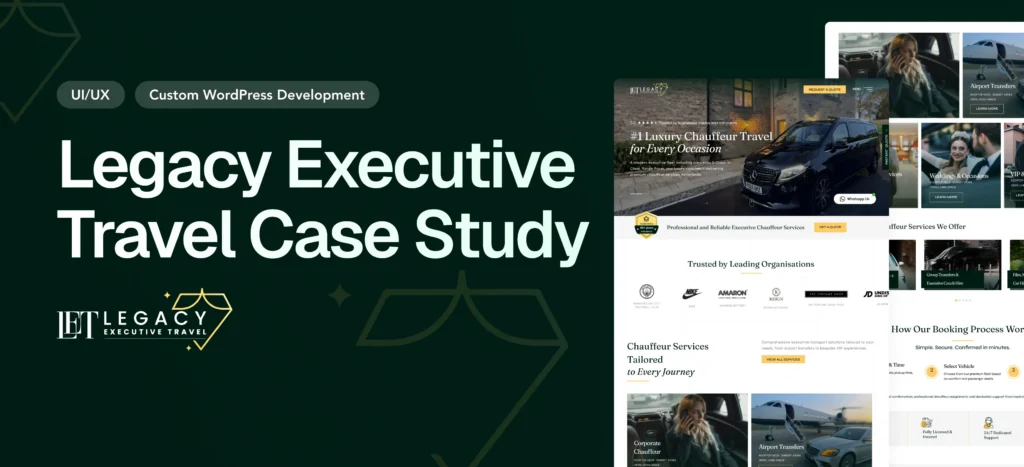
Legacy Executive Travel Website Redesign Case Study – Luxury Chauffeur Platform
Overview Legacy Executive Travel is a UK-based luxury chauffeur company…
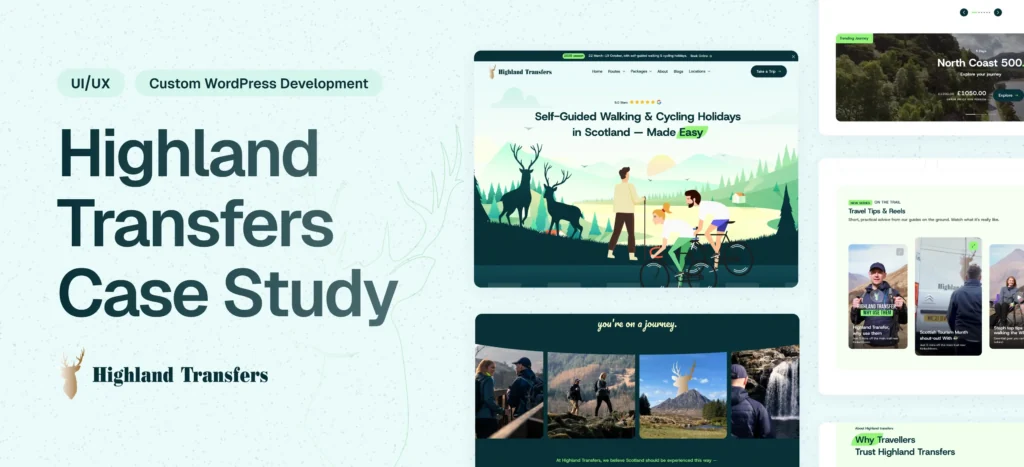
Highland Transfers Website Redesign & Development & SEO Optimization
Overview Highland Transfers is a professional transportation service offering reliable…
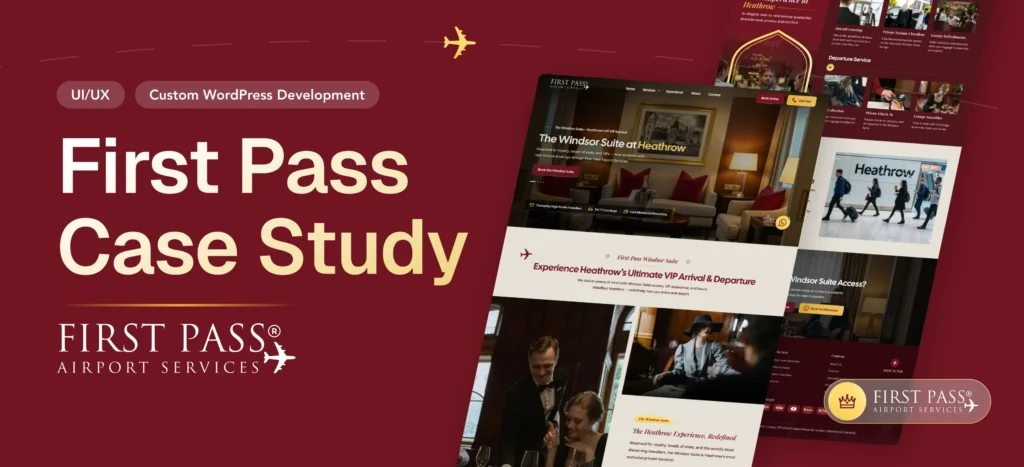
First Pass Airport Website Development & Smart Booking System
Overview First Pass Airport is a premium airport concierge service…
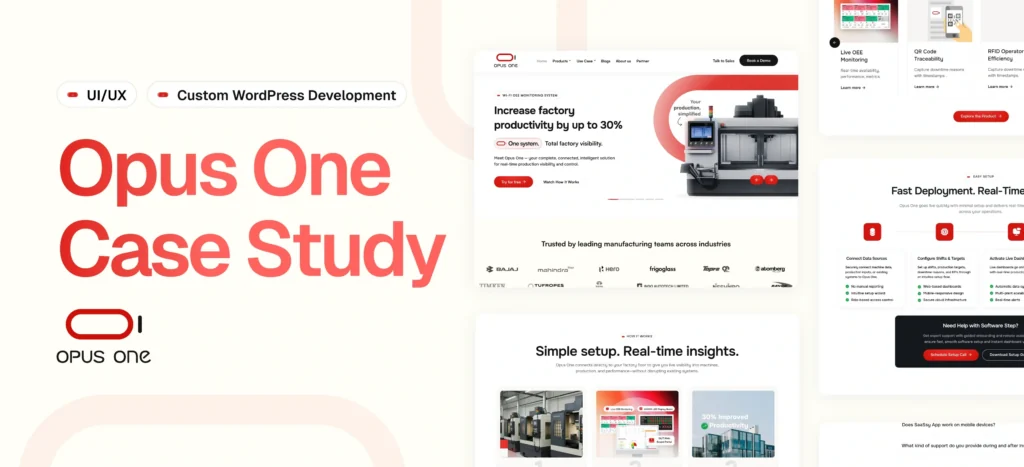
OpusOne – Scalable Product & Technology Platform
Delivered a flexible, scalable platform for managing products, sectors, and…
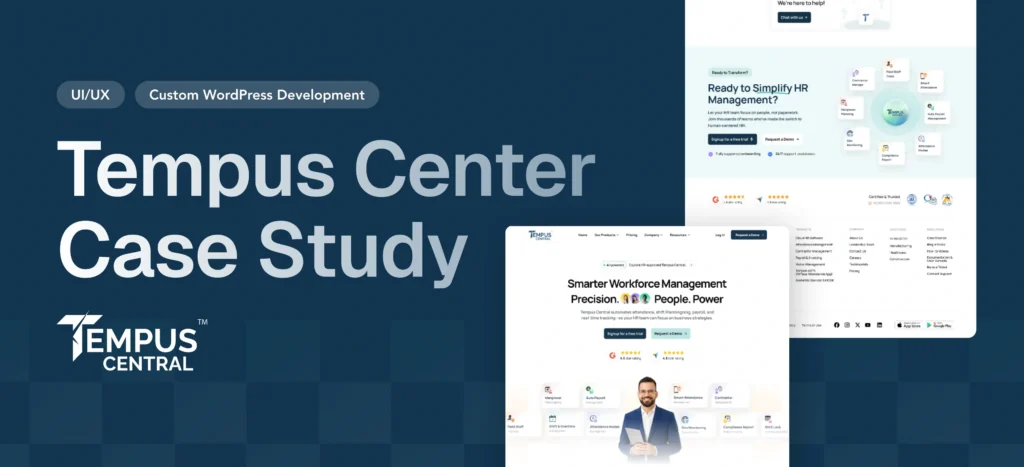
Tempus Central – HR & Workforce Management Website
Delivered a modular, scalable website with dynamic styling and seamless…
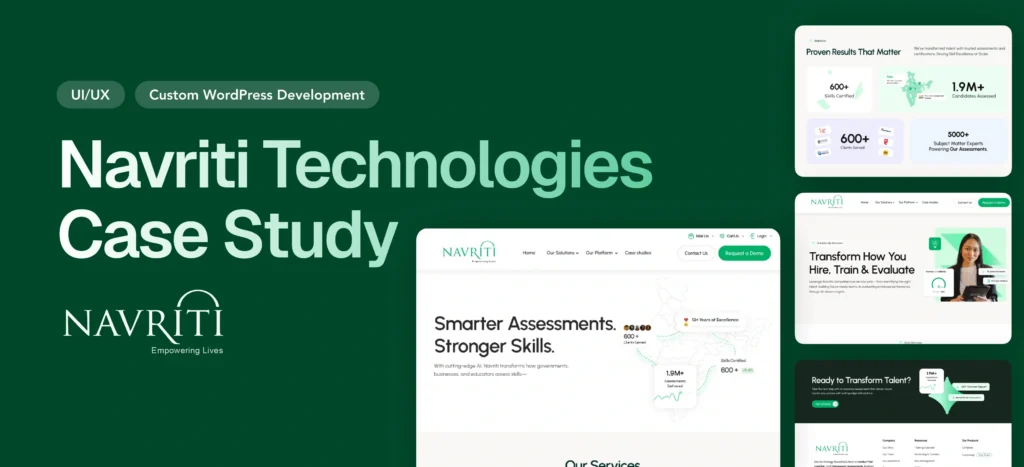
Empowering India’s Skilling Movement — Navriti Website Redesign
Navriti Technologies is leading India’s skilling and employability movement. But…
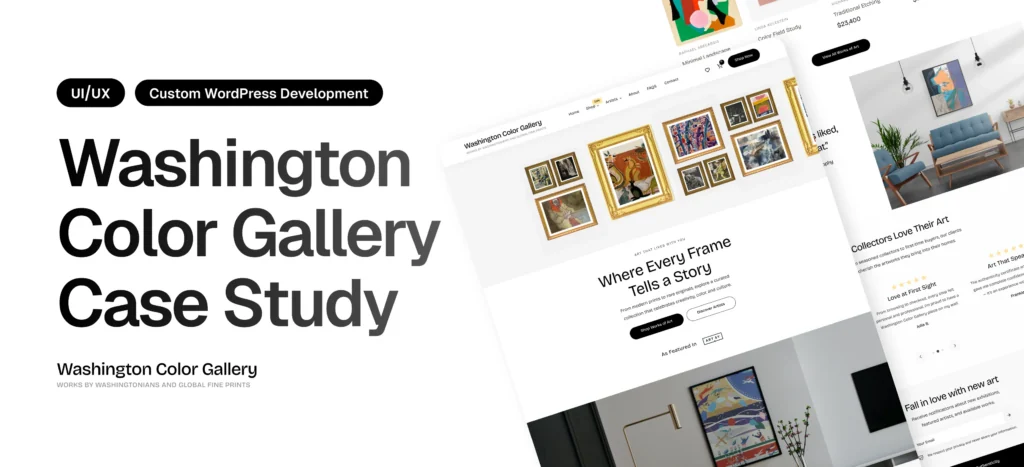
Washington Color Gallery Case Study – WordPress Redesign & Performance Optimization
Overview Washington Color Gallery is a contemporary art platform showcasing…
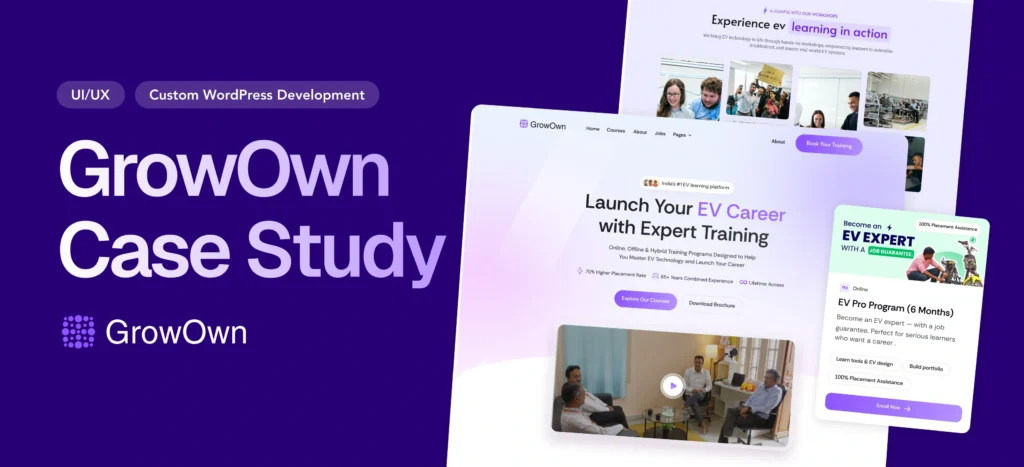
Building India’s Leading EV Learning Platform from Scratch: The Growown Success Story
Overview GrowOwn is an innovative EV (Electric Vehicle) learning platform…
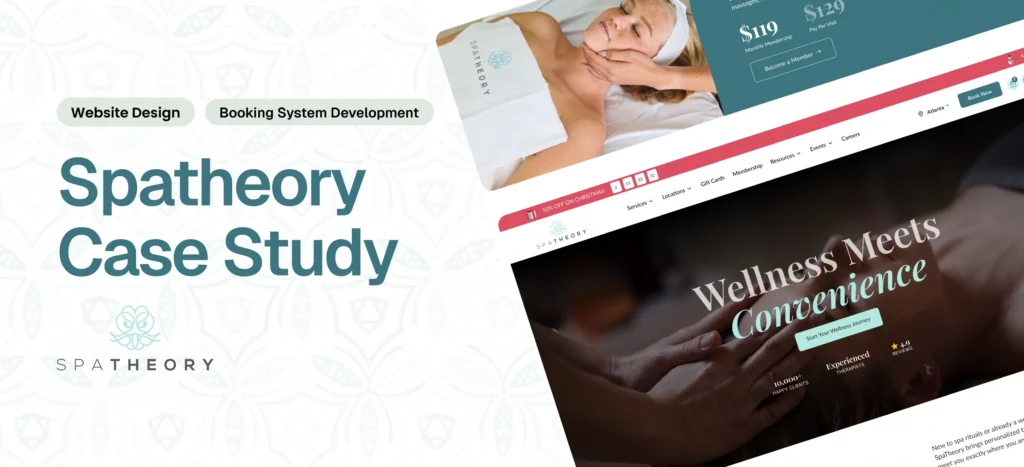
Spatheory – Luxury Spa Booking Platform Transformation
Delivered a fast, scalable platform with a seamless booking experience…
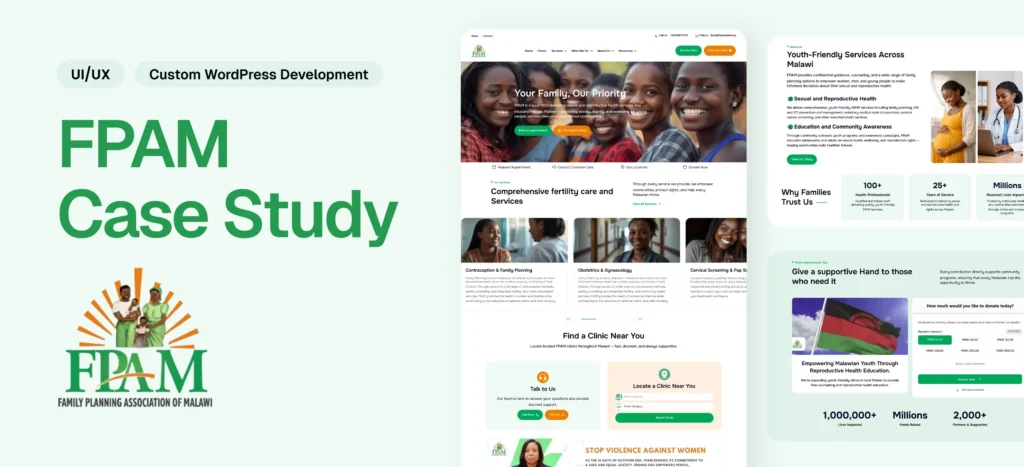
Family Planning Association of Malawi (FPAMalawi) Website Modernization
Delivered a modern healthcare platform with structured content, booking, donation,…
Why Choose Qrolic
Get Control Over Your VR Business Website
A website project should give your business visibility, flexibility, and control. Qrolic’s documented workflow emphasizes transparent communication, custom development, training, and ownership.
0+
Years of WordPress
Delivering top-tier digital services across design, development, and performance.
0+
Happy Clients
Serving global brands with a 95%+ satisfaction rate across industries.
0%
Client satisfaction
We’re committed to delivering solutions that truly make an impact.
0+
Team members
A strong team of experts in WordPress, web technologies, and UI/UX.
Your Next Step
Let’s Discuss Your VR Website Project
Tell us about your business, audience, and website goals. Start a conversation about a custom design and development approach that fits your requirements.
Curious About the Cost? Free
Just drop your requirements on WhatsApp, and we’ll send you an instant estimate—no forms, no waiting.


Curious About the Cost? Free
Just drop your requirements on WhatsApp, and we’ll send you an instant estimate—no forms, no waiting.
Frequently Asked Questions
Common Questions About VR Website Design
Choosing a website service starts with understanding its scope and process. These answers explain how virtual reality website design can support different VR businesses and their website goals.
What Is Virtual Reality Website Design?
Virtual reality website design is the process of creating websites for businesses in the VR industry. It focuses on presenting services clearly, guiding visitors through information, and supporting actions such as bookings or business inquiries. It is different from developing VR applications or headset-based experiences.
What Should a VR Arcade Website Include?
A VR arcade website should explain available experiences, pricing, session duration, age suitability, location, and booking options. Frequently asked questions can address first-time visitor concerns. Clear navigation, mobile-friendly layouts, and dedicated group booking information can also help visitors decide whether to book.
Does Qrolic Develop VR Applications?
The service described here focuses on website design and development for VR businesses. It does not establish that Qrolic provides Unity or Unreal Engine development, WebXR experiences, 3D asset creation, or headset-based application development. Those requirements should be distinguished from the website project scope.
Can VR Website Design Support Online Bookings?
A website can be planned around a booking journey, with clear calls to action and relevant third-party integrations. Actual booking functionality depends on project requirements and the systems selected. Discuss your existing booking platform and desired workflow when defining the project scope.
Can Our Team Manage the Website After Launch?
Qrolic’s documented workflow includes content management implementation, a website management guide, and live training. These help your team manage supported content and page types without relying on a developer for every routine update.
Who Should Consider VR Web Design Services?
VR arcades, experience centers, immersive technology startups, and virtual reality development companies may benefit from a website built around their business goals. For vr development companies serving enterprise customers, the website can organize service information and project presentations to support professional inquiries.