Booking Platform Development for Your Business
Manual scheduling, booking conflicts, and limited plugins can make reservations harder to manage. Booking platform development helps plan a system around your business requirements.
Trusted by large companies worldwide















Introduction
Make Booking Work for Your Business
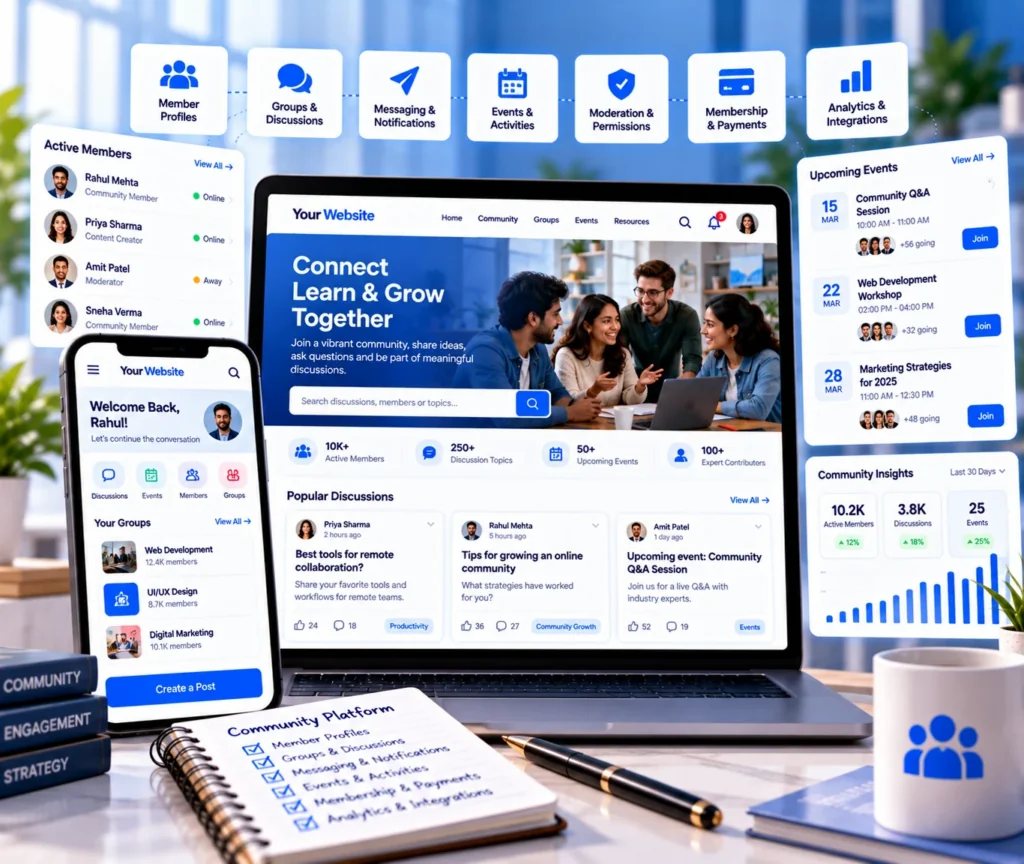
Booking platform development means building software that lets customers reserve appointments, services, resources, or time slots online. The right approach starts with your booking rules.
Flexibility
Convenience
Control
Our Capabilities
- Customer Booking Flow Planning
- Availability Rules Definition
- Reservation Requirements Mapping
- Pricing Rules Identification
- Payment Integration Requirements
- Booking Administration Needs
- Third-Party Integration Planning

Booking Platform Solutions
Understand What Your Booking Platform Needs
Booking platform development helps businesses plan software for online reservations, availability, and booking operations. The right scope depends on your model, customers, and operating rules.
01
What Does Booking Platform Development Include?
A booking platform connects the steps customers take to make a reservation with the information businesses need to manage it. Depending on requirements, this may involve booking forms, time-slot selection, availability rules, pricing, payments, confirmations, and administrative tools. The specific scope must be agreed upon before development begins.
02
Why Does Your Business Need a Booking Platform?
Managing reservations through calls, emails, spreadsheets, or disconnected tools can create unnecessary work. Manual updates may also lead to scheduling conflicts, delayed confirmations, and missed opportunities. A suitable online booking system can give customers a more direct reservation path while helping businesses organize their booking information.
03
How Can a Custom Booking Platform Help?
Custom booking platform development is worth considering when standard software cannot accommodate important business rules. These might include different service durations, deposits, cancellation policies, location-specific availability, or specialized pricing. Defining these requirements early helps establish whether a custom system is appropriate or an existing solution may be sufficient.
04
Who Should Consider Booking Platform Development?
Businesses that manage appointments, reservations, rentals, events, or bookable services may benefit from evaluating a dedicated platform. Startups planning a booking marketplace may also need to consider customer journeys, vendor requirements, and administrative responsibilities. The best solution depends on booking volume, operating complexity, budget, and future plans.
Our Approach
A practical starting point is to identify how customers book today, which rules the business must enforce, and where existing tools fall short. These requirements help define the proposed scope and the questions to resolve before selecting a technical approach. Project-specific stages and deliverables should be agreed upon before work begins.
Benefits
Build a Booking Experience Around Your Needs
The right booking solution can reduce avoidable administrative work and make reservations easier to manage. Benefits depend on the final scope and how the platform fits your operations.

Easier Online Reservations
Customers can submit booking requests through a digital flow. This may reduce reliance on phone calls and manual messages.

Clearer Availability
Defined availability rules can help customers understand which slots or resources can be reserved. Accurate scheduling logic can also help prevent conflicts.

Business-Specific Booking Rules
Custom booking platform development can account for requirements that standard tools may not support. This helps align the proposed system with your operating model.

More Organized Operations
A suitable booking system can bring reservation information into a more consistent process. The resulting administrative benefits depend on the system’s actual features.

Flexible Payment Options
Where payment processing is included, the platform may support requirements such as deposits or full payments. Available methods depend on the chosen integration and project scope.

Better Informed Decisions
A clearly defined booking process makes operational requirements easier to review. Reporting and analytics can be considered when they are relevant to business goals.
Planning a Booking Platform for Your Business?
Free UX Audit
Start by identifying your booking challenges, essential rules, and integration needs. These details help define a suitable project scope.

Our Process
Define the Project Steps
A booking platform project needs a clearly agreed scope. The specific workflow, stages, responsibilities, and deliverables should be established for the individual engagement.
01
Identify Booking Needs
02
Define Booking Rules
03
Map the Customer Journey
04
Administration
05
Review Integrations
06
Agree on Technical Scope
Step 01
Identify Booking Needs
Describe your services, resources, reservation types, and current booking process. This establishes the business problem the proposed platform should address.
Step 02
Define Booking Rules
Identify availability, scheduling conflicts, pricing conditions, deposits, and cancellation requirements where relevant. Clear rules help determine what the system must handle.
Step 03
Map the Customer Journey
Consider how customers find an available option, provide their details, and submit a reservation. A clear journey helps identify unnecessary steps and missing requirements.
Step 04
Administration
Determine how the business needs to view and manage reservations. Staff access, booking updates, and administrative responsibilities should be considered where applicable.
Step 05
Review Integrations
Identify whether the project needs payment gateways, calendars, customer relationship management systems, or other external services. Integration requirements can affect scope and technical decisions.
Step 06
Agree on Technical Scope
Review the required features, platform type, budget, ownership terms, and support expectations. These decisions should be settled before commitments about delivery are made.
Comparison
Choose Booking Platform Development That Fits
Generic booking tools may suit straightforward reservation needs. A custom approach may be worth exploring when booking rules, integrations, or operations do not fit standard software.
Without Qrolic:
Without Qrolic :
- Standard booking options
- Limited control over booking rules
- Existing workflows may need changes
- Features depend on the product
- Integrations depend on support
- Subscription or transaction fees
- Customization may have limits
With Qrolic:
With Qrolic :
- Requirements built on your business
- Custom booking rules evaluated
- Workflows inform project scope
- Features can be prioritized by need
- Integration needs can be assessed
- Ownership, costs discussed
- Custom build fit evaluated
Case Studies
Evaluate Booking Projects With Evidence
Project examples help businesses judge whether a provider understands their needs. No verified Qrolic booking platform case studies, client outcomes, or metrics were supplied for this page.
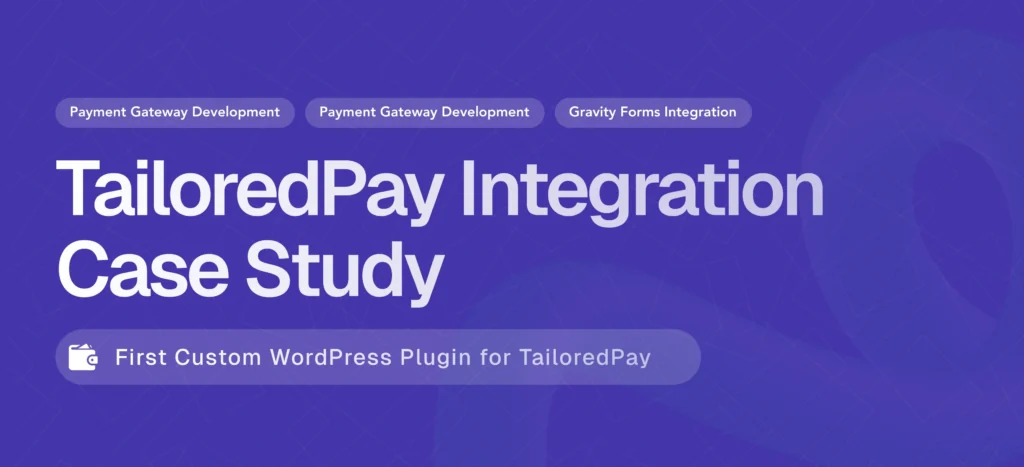
Building the First TailoredPay Payment Gateway Plugin for WordPress & Gravity Forms
Overview TailoredPay had no existing WordPress integration available — not…

Uketa Support – Multi-Language Immigration Platform with Secure Cross-Site Payments
Overview Uketa Support is a multi-language immigration assistance platform built…

My Passport Center – Immigration Platform with Secure Payment Infrastructure
Overview My Passport Center is a high-volume immigration services platform…

Martens – Employment Hero API Integration for WordPress
Overview Martens required a custom careers platform capable of pulling…

First Pass Airport Services – Google Maps Distance Pricing Integration
Overview First Pass Airport Services operates a luxury chauffeur service…

Drip Hydration UK Case Study – HIPAA-Aligned LatePoint Data Encryption
Overview Drip Hydration UK operates a healthcare-focused appointment booking platform…

Custom Brevo API Integration for WordPress — Transactional Emails & Workflow Automation
Overview The client’s immigration platforms relied on WordPress wp_mail for…

Automated WordPress File Migration to S3-Compatible Cloud Storage
Overview The client’s immigration platform was generating hundreds of PDFs…

Azure OCR Integration for WordPress – Custom Document Scanning & Auto-Fill Plugin
Overview The client’s immigration platforms required users to manually enter…

Building a Frontend Application Management Dashboard for WordPress
Overview Managing hundreds of applications directly from the WordPress admin…
Why Choose Qrolic
Find the Right Fit for Your Booking Project
Choosing an online booking platform development company requires clarity on your requirements and the provider’s capabilities. Evaluate Qrolic’s scope, workflow, and deliverables against your needs.
0+
Years of WordPress
Delivering top-tier digital services across design, development, and performance.
0+
Happy Clients
Serving global brands with a 95%+ satisfaction rate across industries.

0%
Client satisfaction
We’re committed to delivering solutions that truly make an impact.
0+
Team members
A strong team of experts in WordPress, web technologies, and UI/UX.
Start Your Project
Let’s Discuss Your Booking Platform
Share your booking requirements and current challenges. A clear starting point helps establish the project scope and the questions that need to be addressed.
Curious About the Cost? Free
Our website cost calculator is built using real
project data – no guesswork, just honest pricing.
 Message on WhatsApp

Curious About the Cost? Free
Just drop your requirements on WhatsApp, and we’ll send you an instant estimate—no forms, no waiting.
Frequently Asked Questions
Booking Platform Development FAQs
Choosing a booking solution involves questions about features, costs, integrations, and long-term needs. These answers explain the main considerations before you define your project.
What Is Booking Platform Development?
Booking platform development involves creating software that allows customers to reserve appointments, services, resources, or time slots. Depending on the requirements, it may include availability management, booking rules, payment processing, and administrative functions. The final feature set depends on the project scope.
How Much Does Booking Platform Development Cost?
The cost depends on the booking flow, scheduling complexity, required features, integrations, and administration needs. A simple reservation system may require less work than a multi-vendor marketplace with complex pricing rules. Define the requirements before comparing project estimates.
How Long Does It Take to Build a Booking Platform?
The timeline depends on the number of features, complexity of booking rules, integrations, and testing requirements. A basic booking system and a multi-vendor platform have different delivery needs. A reliable estimate requires an agreed scope and development plan.
Should I Choose Custom Booking Platform Development?
Custom booking platform development may suit businesses whose scheduling rules, pricing, or workflows do not fit standard booking tools. Existing software may be more appropriate when requirements are simple. Compare customization needs, ongoing costs, integration options, and ownership terms before deciding.
Can a Booking Platform Integrate With Existing Tools?
A booking platform may integrate with payment gateways, calendars, customer relationship management systems, and other services when suitable integrations are available. Compatibility depends on the selected tools, their interfaces, and the project’s technical requirements. Confirm each required integration before finalizing the scope.
How Do I Choose an Online Booking Platform Development Company?
Evaluate an online booking platform development company by reviewing its relevant experience, technical approach, project scope, and communication practices. Ask about deliverables, code ownership, integration capabilities, testing, and post-launch support. Confirm that the proposed services match your requirements before committing.