eLearning SEO Services That Support Business Growth
Help prospective learners and buyers find your platform through search. Qrolic builds an SEO strategy around your business goals and audience.
Trusted by large companies worldwide.















Introduction
Help Your eLearning Business Get Found
Your platform needs to reach people searching for relevant learning opportunities. Our eLearning website SEO approach connects business goals, search intent, structure, and ongoing measurement.
Visibility
Clarity
Measurement
Our Capabilities
- Business Goal Discovery
- Analytics and Conversion Tracking
- Keyword and Intent Research
- Website Structure Planning
- SEO Audits and Prioritization
- Content and On-Page SEO
- Technical SEO and Authority Building

SEO Strategy
SEO That Supports Your Learning Business
An effective SEO strategy helps prospective learners and buyers discover your platform and take the next step. Qrolic connects research, optimization, measurement, and ongoing improvement.
01
What Do eLearning SEO Services Include?
Qrolic’s eLearning SEO services cover discovery, measurement, keyword research, structure, audits, content, and optimization, plus technical health, conversion, authority, and migration protection.
02
Why Does SEO Matter for eLearning Platforms?
People often search before choosing a learning provider. If relevant pages are hard to find, potential customers may find competing platforms instead. SEO makes your website easier to find.
03
How Does SEO for eLearning Platforms Work?
SEO starts with your goals and current performance. Qrolic then researches search intent, reviews website issues, improves relevant pages, and works on technical health and authority.
04
Who Needs eLearning Website SEO?
Course providers, academies, training businesses, educational platforms, and organizations offering online learning that want to improve their organic search presence.
Our Approach
Qrolic starts with business goals and measurement before optimization, then moves through research, content, technical improvements, and authority building, with migration protection when relevant.
Benefits
Build a Stronger Search Presence
A structured SEO approach helps the right audience discover your website. It also gives your business a clearer way to measure and improve search performance.

More Relevant Traffic
Keyword research connects your pages with searches that match your audience’s needs. This helps attract more relevant organic visitors.

Clearer Performance Data
Analytics, Search Console, and conversion tracking establish a measurement foundation. You can better understand which sources contribute to business goals.

Better Website Structure
Organized pages, URLs, topics, and internal linking help visitors and search engines understand your website more easily.

More Useful Content
SEO-led content marketing addresses customer questions and search intent. It can help your website cover relevant topics across the buying journey.

Healthier Technical Foundation
Technical SEO reviews crawlability, indexing, mobile experience, speed, and Core Web Vitals. These checks help identify issues that may affect search visibility.

Ongoing SEO Improvement
Search behavior and business priorities can change over time. Continued monitoring helps your SEO strategy adapt instead of relying on a one-time effort.
Give Your eLearning Website a Clear SEO Direction
Free UX Audit
Build your search strategy around business goals, audience needs, and measurable priorities.

Our Process
How Our SEO Process Works
Our workflow connects strategy, measurement, optimization, and ongoing improvement. Each stage supports clearer decisions about your search presence.
01
Start With Goals
02
Measure Every Result
03
Find Relevant Searches
04
Structure and Audit
05
Create and Improve Content
06
Strengthen Technical SEO
07
Review Local and Conversion Needs
08
Build Authority and Improve
09
Protect Website Migrations
Step 01
Start With Goals
We learn about your business, audience, market, and objectives. This gives your SEO strategy a relevant direction.
Step 02
Measure Every Result
Analytics, Search Console, and conversion tracking are set up before optimization begins. This establishes a baseline for measuring progress.
Step 03
Find Relevant Searches
We research competitors, search demand, and user intent. This helps identify searches that matter to your business.
Step 04
Structure and Audit
We review pages, URLs, topics, internal links, and website issues. Prioritized findings help identify where attention is needed first.
Step 05
Create and Improve Content
We plan content around customer questions and search intent. Existing pages receive on-page improvements to make their purpose clearer.
Step 06
Strengthen Technical SEO
We review crawlability, indexing, speed, mobile experience, redirects, canonicals, and sitemaps. These checks help maintain a sound technical foundation.
Step 07
Review Local and Conversion Needs
Local SEO is considered when your business serves specific locations. We also review user experience, calls to action, trust signals, and layouts.
Step 08
Build Authority and Improve
We work on backlinks, digital PR, brand mentions, and citations. Ongoing monitoring helps the strategy respond to changes over time.
Step 09
Protect Website Migrations
When a redesign or platform migration is planned, SEO protection becomes important. Redirects, URL preservation, and post-launch checks help reduce visibility risks.
Comparison
Choose a Measured eLearning SEO Approach
A basic SEO approach may overlook business goals, measurement, and the needs of online learning audiences. Qrolic follows a structured process that connects these areas.
Without Qrolic:
Without Qrolic :
- Generic SEO checklists
- Optimization without a baseline
- Broad keyword targeting
- Unplanned website structure
- Unprioritized SEO issues
- One-time content improvements
- Limited ongoing review
With Qrolic:
With Qrolic :
- Business-focused SEO planning
- Measurement before optimization
- Search intent research
- Structured pages and topics
- Issues prioritized by impact
- Content built around user needs
- Ongoing monitoring and improvement
Case Studies
SEO Strategies Need the Right Context
Every eLearning business has different audiences, offerings, and search priorities. The right SEO approach starts with those differences, not a one-size-fits-all strategy.
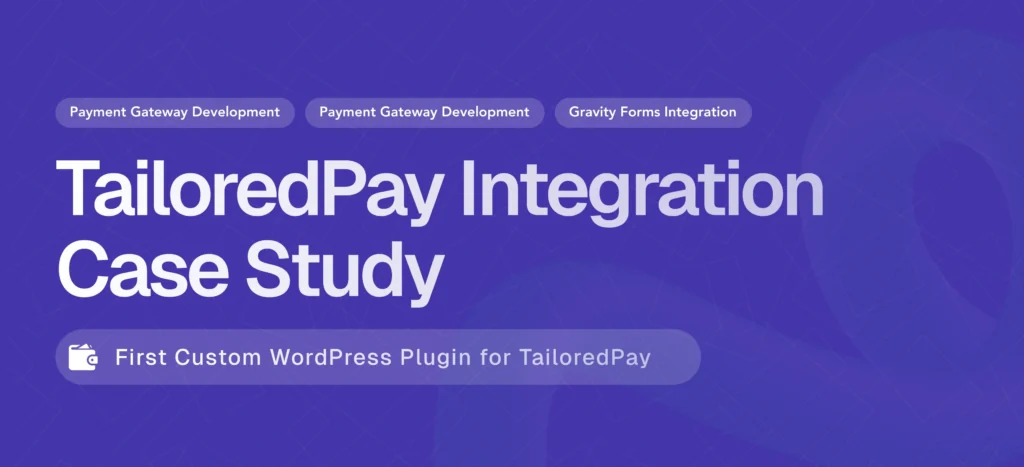
Building the First TailoredPay Payment Gateway Plugin for WordPress & Gravity Forms
Overview TailoredPay had no existing WordPress integration available — not…

Uketa Support – Multi-Language Immigration Platform with Secure Cross-Site Payments
Overview Uketa Support is a multi-language immigration assistance platform built…

My Passport Center – Immigration Platform with Secure Payment Infrastructure
Overview My Passport Center is a high-volume immigration services platform…

Martens – Employment Hero API Integration for WordPress
Overview Martens required a custom careers platform capable of pulling…

First Pass Airport Services – Google Maps Distance Pricing Integration
Overview First Pass Airport Services operates a luxury chauffeur service…

Drip Hydration UK Case Study – HIPAA-Aligned LatePoint Data Encryption
Overview Drip Hydration UK operates a healthcare-focused appointment booking platform…

Custom Brevo API Integration for WordPress — Transactional Emails & Workflow Automation
Overview The client’s immigration platforms relied on WordPress wp_mail for…

Automated WordPress File Migration to S3-Compatible Cloud Storage
Overview The client’s immigration platform was generating hundreds of PDFs…

Azure OCR Integration for WordPress – Custom Document Scanning & Auto-Fill Plugin
Overview The client’s immigration platforms required users to manually enter…

Building a Frontend Application Management Dashboard for WordPress
Overview Managing hundreds of applications directly from the WordPress admin…
Why Choose Qrolic
A Structured SEO Process for eLearning
Qrolic connects business goals with measurement, research, and practical optimization. You get a clearly sequenced approach that considers ongoing growth and website changes.
0+
Years of WordPress
Delivering top-tier digital services across design, development, and performance.
0+
Happy Clients
Serving global brands with a 95%+ satisfaction rate across industries.

0%
Client satisfaction
We’re committed to delivering solutions that truly make an impact.
0+
Team members
A strong team of experts in WordPress, web technologies, and UI/UX.
Start a Conversation
Let’s Discuss Your eLearning SEO Goals
Tell us about your learning business, website, and search priorities. We can discuss how Qrolic’s SEO process may fit your objectives.
Curious About the Cost? Free
Our website cost calculator is built using real
project data – no guesswork, just honest pricing.
 Message on WhatsApp

Curious About the Cost? Free
Just drop your requirements on WhatsApp, and we’ll send you an instant estimate—no forms, no waiting.
Frequently Asked Questions
Common eLearning SEO Questions Answered
Understand what SEO involves for learning platforms, how the process works, and what to consider before improving your website’s search presence.
What Is SEO for eLearning Websites?
eLearning website SEO is the process of improving an online learning website’s visibility in search engines. It involves keyword research, website structure, content, technical improvements, and authority-building activities that help relevant audiences discover the platform.
Why Do eLearning Platforms Need SEO?
SEO helps prospective learners and buyers discover online learning businesses when they search for relevant courses, training, or educational services. Without a clear search strategy, useful website pages may be harder to find, and businesses may miss relevant organic traffic opportunities.
What Do eLearning SEO Services Include?
Qrolic’s eLearning SEO services follow a structured workflow covering business goals, measurement, keyword research, website structure, audits, content, on-page optimization, technical SEO, and authority building. The process also considers local visibility, conversion opportunities, ongoing improvement, and migration protection where relevant.
Does eLearning Content Marketing Include SEO?
eLearning content marketing can cover several activities beyond SEO, including content distribution and social media. Qrolic’s workflow covers SEO-led content planning around customer questions, needs, and search intent. It should not be confused with a complete content distribution or social media service.
How Do You Measure eLearning SEO Progress?
Measurement begins before optimization through analytics, Google Search Console, and conversion tracking. These tools help establish a baseline and understand website performance. Ongoing monitoring then helps evaluate changes and identify where the SEO strategy may need adjustment.
Can SEO Protect Rankings During a Platform Migration?
A redesign or platform migration can affect existing search visibility if URLs, redirects, and indexing are not handled carefully. Qrolic’s migration protection stage considers URL preservation, redirects, before-and-after comparisons, and post-launch audits to help reduce those risks.
What Is eLearning Website Optimization?
eLearning website optimization covers on-page improvements to existing pages and technical reviews of crawlability, indexing, speed, mobile experience, redirects, canonicals, and sitemaps. It works alongside keyword research, content planning, and measurement.