
Record Label Website Design for Growing Labels
Your label needs more than a static online brochure. Build a record label website that brings artists, releases, and label information together.
Trusted by large companies worldwide.















Introduction
A Website Built Around Your Label
A music label website brings your artists, releases, and brand together. It gives fans, media, and industry contacts one place to discover your work.
Visibility
Consistency
Ownership
Our Capabilities
- Artist Roster Pages
- Discography and Releases
- Tour Date Calendars
- Electronic Press Kits
- Merchandise Store Integration
- Streaming Platform Embeds
- WordPress Content Management

Label Website Solutions
What Your Record Label Website Needs
A record label website should reflect your identity while making it easier to present artists, promote releases, and connect with fans.
01
What Does the Service Include?
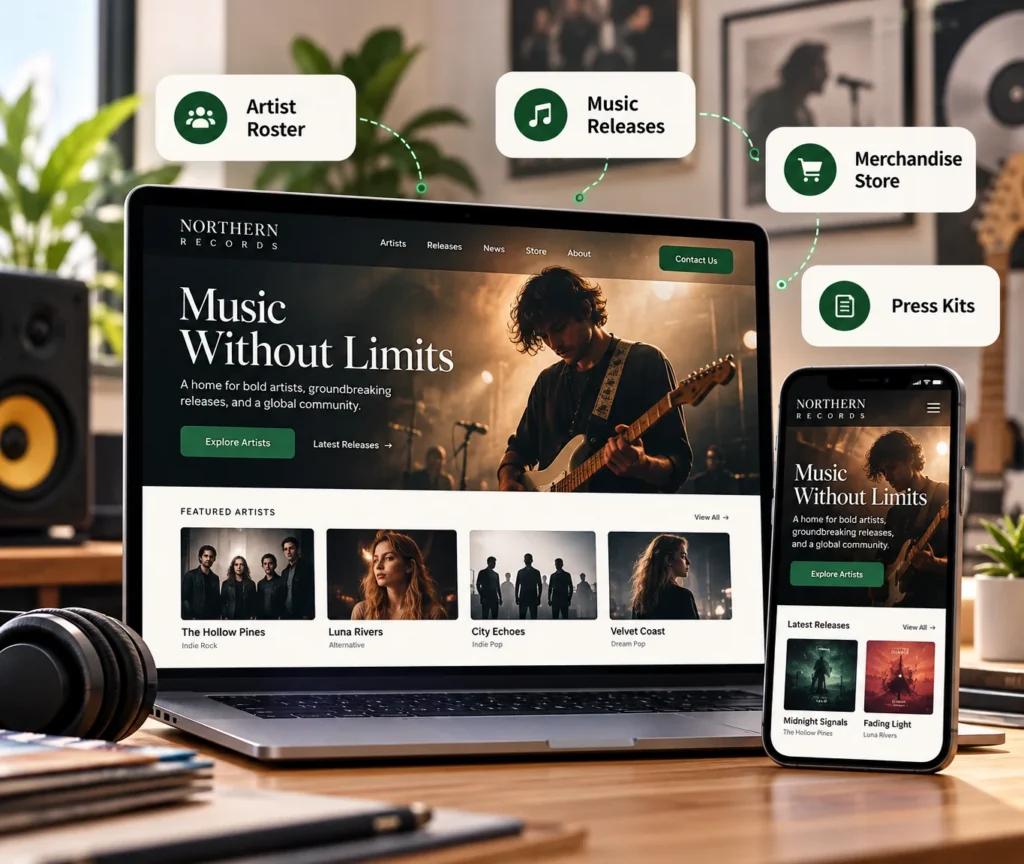
A record label website can bring artist profiles, release catalogs, tour information, electronic press kits, and merchandise together. Streaming embeds and label-focused branding give visitors a clear view of your roster and music.
02
Why Does Your Label Need a Dedicated Website?
Social media and streaming profiles help people discover music, but they do not replace a website your label controls. A dedicated music company website gives your roster, releases, and label information a central home.
03
How Does the Website Support Your Label?
The website organizes artists and releases into clear sections. Artist pages can present biographies, photos, music, and videos, while discography pages organize albums, singles, and EPs. Streaming links, merchandise, and EPK pages help visitors.
04
Who Can Benefit From This Service?
This service suits independent labels, established record labels, and artist collectives that manage multiple acts. An independent record label website can establish a professional digital presence, while a growing label can organize a larger roster.
Our Approach
Qrolic’s label website process covers audit where needed, design, development, and launch. These stages help establish the website’s requirements, shape its presentation, build the agreed experience, and make the finished site available to visitors.
Benefits
Give Your Label a Stronger Online Home
A dedicated website brings important label information into one place. It can make releases, artists, and merchandise easier for visitors to explore.

Clear Artist Profiles
Present each artist with dedicated profile information. Give visitors a consistent way to explore your roster.

Organized Releases
Group albums, singles, and EPs in one catalog. Help fans find music across your label.

Easier Press Access
Bring artist biographies, photos, and music together in EPK pages. Make essential press information easier to find.

Merchandise Options
Connect visitors with your label’s merchandise. Support a direct shopping experience through an appropriate store integration.

Music Discovery
Add streaming embeds and links to release pages. Let visitors listen through supported music platforms.

Content Management
Use the WordPress content management system to update site information. Keep artist and release details aligned with label activity.
Bring Your Artists and Releases Together
Free UX Audit
Give your label a dedicated website for its roster, music, and audience.

Our Workflow
From Initial Review to Website Launch
Qrolic’s label website process covers the key stages from initial review through website launch.
01
Understand Your Business
02
Plan the User Experience
03
Design a Distinctive Interface
04
Build the WordPress Website
05
Set Up Editable Content and CMS
06
Keep the Build Lean
07
Connect Tools and Add Functionality
08
Review Progress on Staging
09
Train and Hand Over Ownership
Step 01
Website Audit
For redesign projects, review the existing website and its needs. Identify areas that require attention before design begins.
Step 02
Website Design
Shape the website’s visual presentation around the label. Plan how artists, releases, and other key information appear.
Step 03
Website Development
Develop the website based on the agreed design and requirements. Build the pages and features included in the project scope.
Step 04
Website Launch
Prepare the completed website for launch. Make the label’s new digital home available to its audience.
Comparison
A Record Label Website Needs More Than Templates
Generic website layouts may overlook the needs of a multi-artist label. A label-focused approach considers roster presentation, releases, press materials, and merchandise.
Without Qrolic:
Without Qrolic :
- Generic layouts for any business
- Artist details spread across pages
- No consistent roster structure
- Releases difficult to browse
- Press materials scattered
- Merchandise handled separately
- Limited label content organization
With Qrolic:
With Qrolic :
- Website design for label identity
- Dedicated artist profile pages
- Cohesive roster presentation
- Organized discography and releases
- EPK pages for press information
- Merchandise store integration
- WordPress content management
Case Studies
Explore Relevant Website Project Work
Choosing a website partner means understanding the work involved. Review the project scope and experience relevant to your label before deciding what you need.
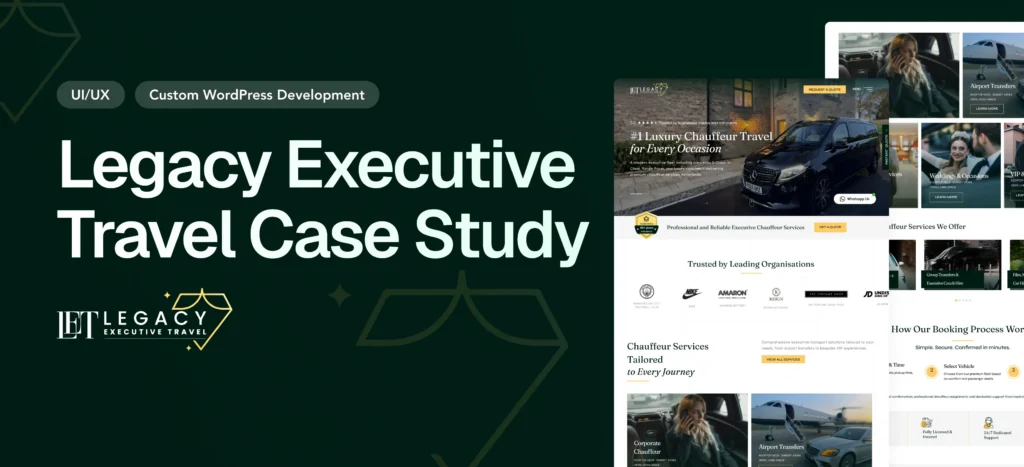
Legacy Executive Travel Website Redesign Case Study – Luxury Chauffeur Platform
Overview Legacy Executive Travel is a UK-based luxury chauffeur company…
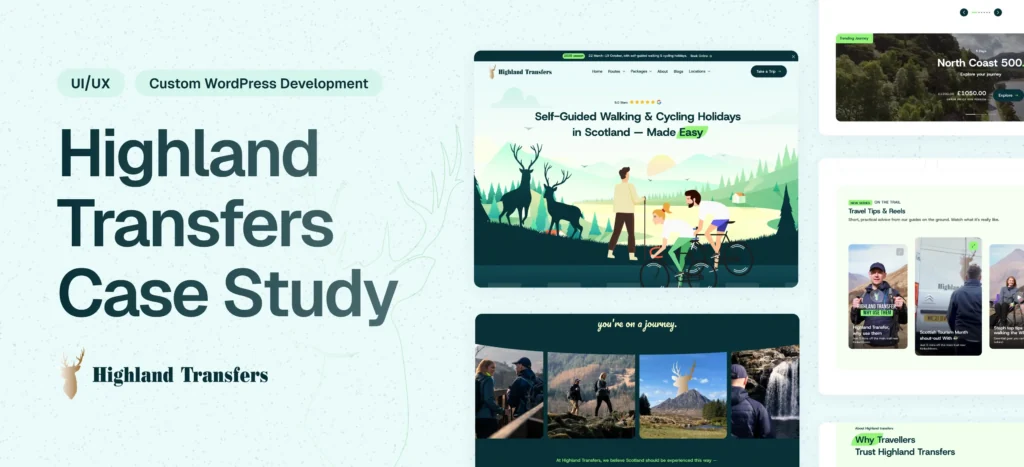
Highland Transfers Website Redesign & Development & SEO Optimization
Overview Highland Transfers is a professional transportation service offering reliable…
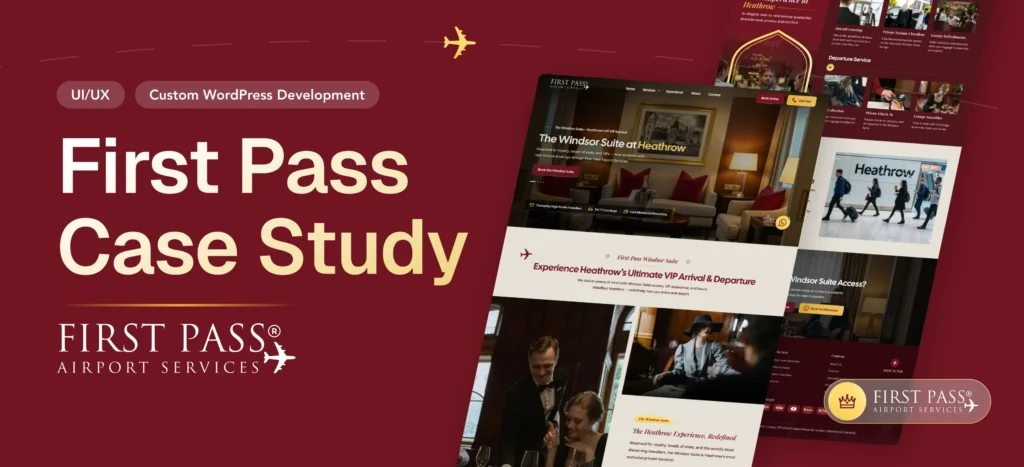
First Pass Airport Website Development & Smart Booking System
Overview First Pass Airport is a premium airport concierge service…
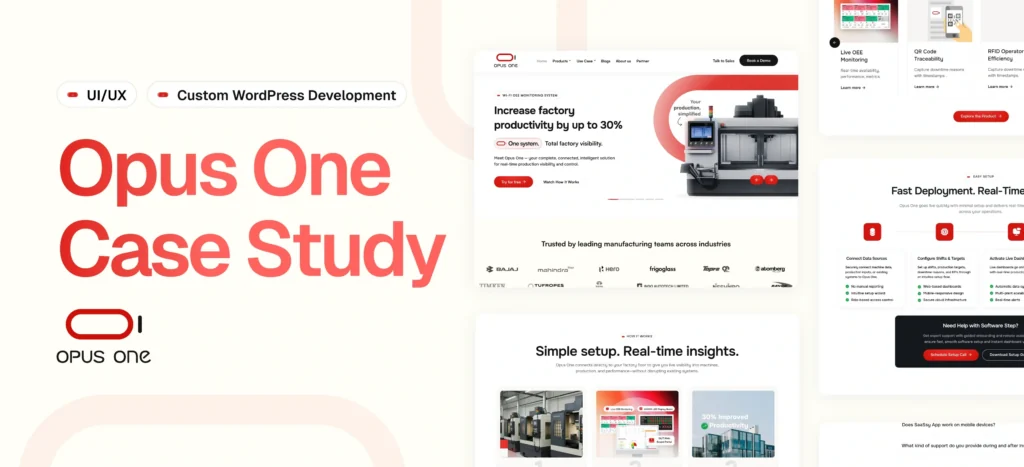
OpusOne – Scalable Product & Technology Platform
Delivered a flexible, scalable platform for managing products, sectors, and…
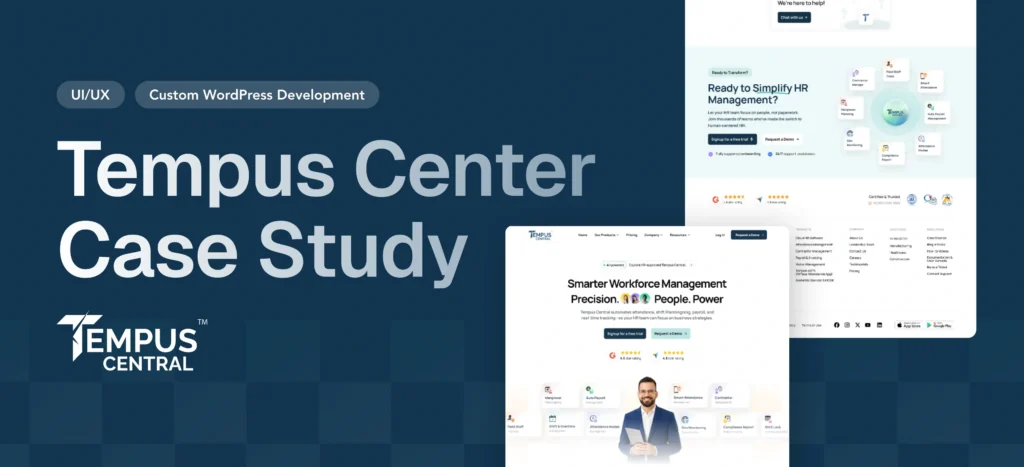
Tempus Central – HR & Workforce Management Website
Delivered a modular, scalable website with dynamic styling and seamless…
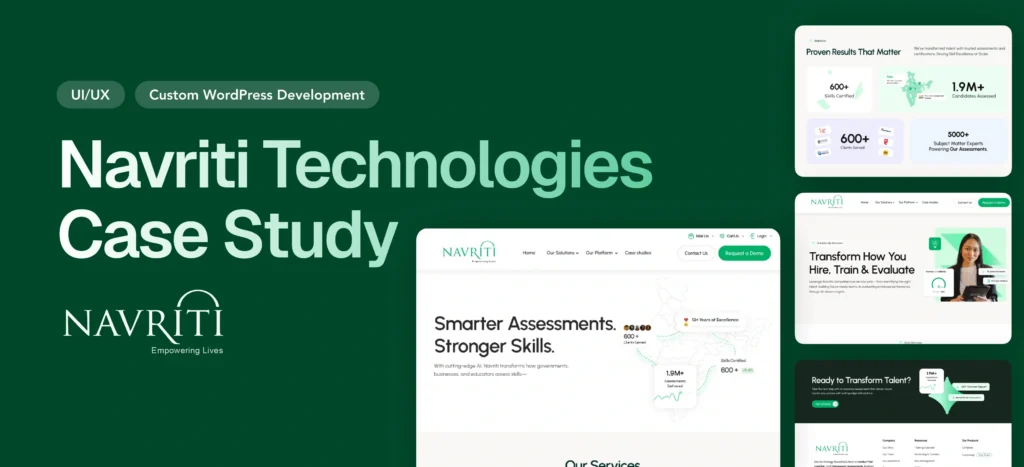
Empowering India’s Skilling Movement — Navriti Website Redesign
Navriti Technologies is leading India’s skilling and employability movement. But…
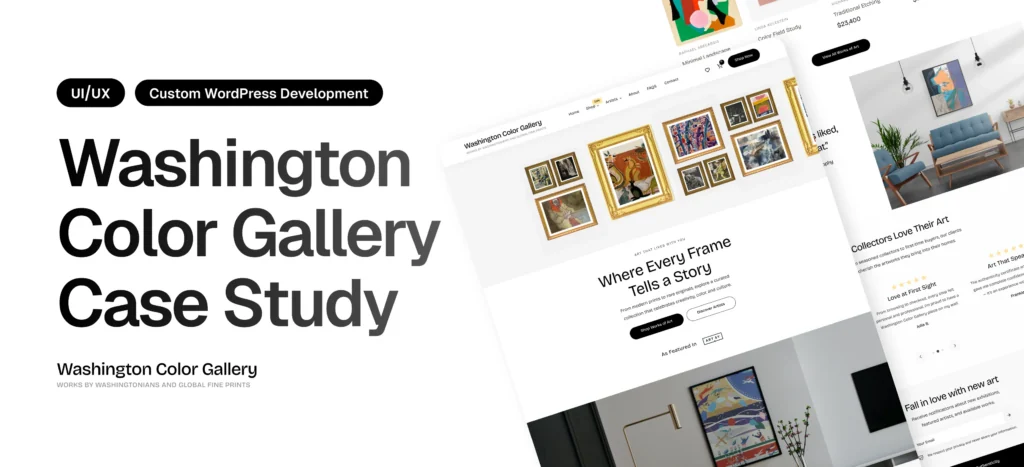
Washington Color Gallery Case Study – WordPress Redesign & Performance Optimization
Overview Washington Color Gallery is a contemporary art platform showcasing…

Building India’s Leading EV Learning Platform from Scratch: The Growown Success Story
Overview GrowOwn is an innovative EV (Electric Vehicle) learning platform…

Spatheory – Luxury Spa Booking Platform Transformation
Delivered a fast, scalable platform with a seamless booking experience…
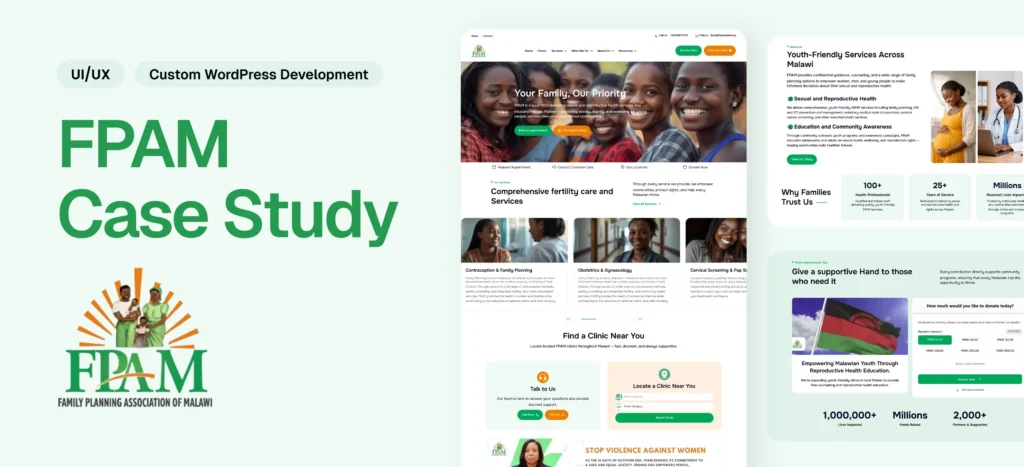
Family Planning Association of Malawi (FPAMalawi) Website Modernization
Delivered a modern healthcare platform with structured content, booking, donation,…
Why Choose Qrolic
A Label Website Focused on Your Roster
Qrolic offers a music label website service covering artist presentation, releases, EPKs, merchandise, and streaming integration. This gives labels a starting point for discussing their needs.
0+
Years of WordPress
Delivering top-tier digital services across design, development, and performance.
0+
Happy Clients
Serving global brands with a 95%+ satisfaction rate across industries.

0%
Client satisfaction
We’re committed to delivering solutions that truly make an impact.
0+
Team members
A strong team of experts in WordPress, web technologies, and UI/UX.
Start a Conversation
Discuss Your Record Label Website
Tell Qrolic about your label, roster, and website requirements. Start a conversation about a website that brings your music and artists together.
Curious About the Cost? Free
Our website cost calculator is built using real
project data – no guesswork, just honest pricing.
 Message on WhatsApp

Curious About the Cost? Free
Just drop your requirements on WhatsApp, and we’ll send you an instant estimate—no forms, no waiting.
Frequently Asked Questions
Common Questions About Record Label Websites
A record label website needs to support more than a single artist profile. These answers cover common questions about its features, platform, and purpose.
What Should a Record Label Website Include?
A record label website should bring artist roster pages, discography, tour information, and EPKs together. It can also include merchandise store integration and streaming embeds. The right combination depends on the label’s roster and requirements.
How Is a Music Label Website Different From an Artist Website?
An artist website usually focuses on one musician or band. A music label website needs to present multiple artists under one label identity, with individual profiles and organized release information.
Can an Independent Record Label Website Sell Merchandise?
Yes. A label website can include merchandise store integration for products such as vinyl, CDs, apparel, and artist merchandise. The required store setup depends on the label’s products and e-commerce needs.
Can Our Label Update Artist and Release Information?
Qrolic uses WordPress as the primary content management platform for label websites. It is intended to let label teams update artist profiles, releases, and tour information without relying on a developer for every change.
Which Platform Is Used for Record Label Website Design?
Qrolic’s music label website service uses WordPress as its primary platform. Shopify integration can also be considered for labels with substantial merchandise requirements. The appropriate setup depends on the website’s planned features.
How Long Does a Record Label Website Take?
Qrolic’s typical timeline for a music label website is 3 to 7 weeks. The actual duration depends on factors such as artist count, custom features, and discography complexity.