
Wildlife Photographer Website Design That Brings Your Work to Life
Your wildlife photographs deserve a website that helps the right audience find your work. Qrolic builds sites with cinematic layouts, curated galleries, print and licensing paths, and location pages.
Trusted by large companies worldwide.
















Wildlife Photography Websites
Why Wildlife Photographers Need a Purpose-Built Website
Collectors want prints, galleries want portfolios, publishers need licensing details, and expedition guests want experiences. A simple image grid may not serve these audiences effectively.
Storytelling
Collections
Pathways
Our Capabilities
- Cinematic Storytelling Design
- Curated Portfolio Galleries
- Print Sales Integration
- Licensing Enquiry Flow
- Gallery and Collector Presentation
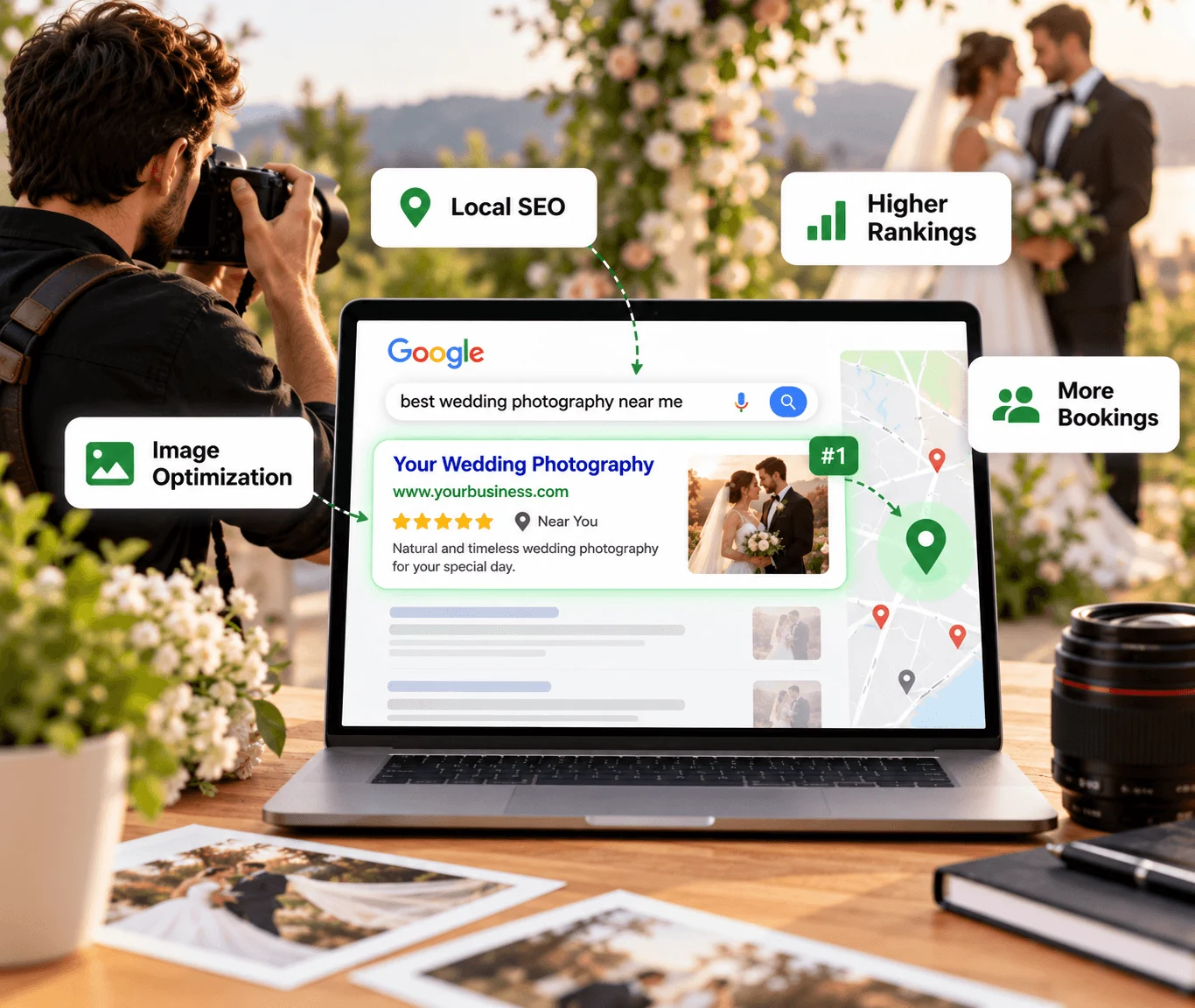
- Location and Species SEO
- Modular Content System
- Content Management

Wildlife Photographer Websites
Wildlife Photography Website Design for Artists and Professionals
A wildlife photography website should communicate your visual identity, organize work into meaningful collections, and make commercial opportunities easy to understand.
01
What Does a Wildlife Photography Website Include?
The structure may include immersive homepage sections, curated galleries, individual project pages, artist information, print collections, licensing details, and expedition content, planned around your portfolio, audience, and business model.
02
Why Choose Cinematic Design for Wildlife Photography?
Wildlife images communicate scale, movement, and emotion. Large hero imagery, carefully paced layouts, and editorial typography give those qualities room to stand out, while supporting content stays easy to navigate.
03
Why Use Curated Galleries Instead of Large Archives?
A large archive does not automatically create a stronger portfolio. Collections organized by species, destinations, conservation themes, or projects help visitors understand your style and find the work most relevant to them.
04
How Do Print Sales and Licensing Pathways Work?
Your website should reflect the commercial opportunities you actually offer. This can include a print shop, a dedicated licensing enquiry path, gallery enquiries, exhibition information, or expedition and workshop bookings.
Our Approach
We begin by understanding your photographic focus, portfolio, audience, and commercial priorities. We then plan the design, galleries, content structure, and functionality, considering image presentation, mobile performance, and navigation.
Benefits
Benefits of a Wildlife-Focused Photography Website
A wildlife-focused website can present your photography with impact, organize it into collections, and give collectors, galleries, and publishers clear next steps.

A Stronger Presentation of Your Wildlife Photography
Cinematic layouts and carefully selected imagery give your photographs room to make an impression, reflecting the atmosphere and visual identity of your work.

A More Focused Portfolio
Curated galleries make it easier to organize images by species, location, or project, so visitors can explore relevant collections without navigating an overwhelming archive.

Clearer Commercial Opportunities
Print shops, licensing enquiries, and gallery contact paths give visitors a better understanding of how they can work with you or acquire your photographs.

Professional Artist Positioning
A refined website with consistent branding and organized collections can present your work as a professional practice, which is useful when approaching galleries, publishers, and collectors.

Better Mobile Image Experiences
Responsive image delivery, compression, and suitable formats help visitors browse your work across devices, which matters when your portfolio relies on large, detailed photographs.

More Relevant Search Opportunities
Species pages, destination collections, and supporting articles can create useful entry points from search engines for people researching specific wildlife subjects and locations.
Give Your Wildlife Photography a Website Worth Exploring
Free Recruitment Site Review
Create a more immersive portfolio with clear pathways for print buyers, galleries, publishers, and photography enthusiasts.

Our Process
Our Wildlife Photographer Website Design Process
Our four-step process moves from discovery and portfolio design to development, testing, launch, and ongoing support.
01
Discovery & Strategy
02
Portfolio Design
03
Development & Quality Testing
04
Launch & Support
Step 01
Discovery & Strategy
We discuss your photography business, visual identity, target audience, and website objectives. Planning may include main species and destination collections, image curation, and whether you prioritize prints, licensing, galleries, or expeditions.
Step 02
Portfolio Design
We plan the visual presentation around your strongest work, including gallery organization, image-led layouts, page structure, and navigation, with cinematic hero sections and editorial storytelling that reflect your style.
Step 03
Development & Quality Testing
We develop the agreed structure and functionality, which may include galleries, print sales features, licensing enquiry forms, and location or species content. Testing covers user journeys, galleries, navigation, and image optimization.
Step 04
Launch & Support
We prepare the website for launch and provide support for agreed updates and maintenance. It can keep growing as you add photographs, destination stories, print collections, and licensing or expedition information.
Comparison
General Photography Website vs. Wildlife Photography Website
A general photography website and a wildlife photography website may share portfolio features, but their audiences and commercial requirements can be different.
Without Qrolic
Without Qrolic :
- Clients seeking photo services
- Categories and business identity
- Galleries by photo service
- General enquiries or booking
- Services and business content
- Photography service provider
- General portfolio searches
- Submit a project enquiry
With Qrolic’s Design & Development
With Qrolic :
- Collectors, galleries, publishers
- Cinematic, image-led presentation
- Collections by species or place
- Prints, licensing, gallery contact
- Species and destination content
- Wildlife artist or specialist
- Species and destination searches
- Explore collections, then act
Case studies
Wildlife Photography Website Case Studies
This page does not present a wildlife-specific Qrolic project or result, so no unrelated projects are shown and no print sales, licensing deals, or gallery placements are claimed.

Building the First TailoredPay Payment Gateway Plugin for WordPress & Gravity Forms
Overview TailoredPay had no existing WordPress integration available — not…

Uketa Support – Multi-Language Immigration Platform with Secure Cross-Site Payments
Overview Uketa Support is a multi-language immigration assistance platform built…

My Passport Center – Immigration Platform with Secure Payment Infrastructure
Overview My Passport Center is a high-volume immigration services platform…

Martens – Employment Hero API Integration for WordPress
Overview Martens required a custom careers platform capable of pulling…

First Pass Airport Services – Google Maps Distance Pricing Integration
Overview First Pass Airport Services operates a luxury chauffeur service…

Drip Hydration UK Case Study – HIPAA-Aligned LatePoint Data Encryption
Overview Drip Hydration UK operates a healthcare-focused appointment booking platform…

Custom Brevo API Integration for WordPress — Transactional Emails & Workflow Automation
Overview The client’s immigration platforms relied on WordPress wp_mail for…

Automated WordPress File Migration to S3-Compatible Cloud Storage
Overview The client’s immigration platform was generating hundreds of PDFs…

Azure OCR Integration for WordPress – Custom Document Scanning & Auto-Fill Plugin
Overview The client’s immigration platforms required users to manually enter…

Building a Frontend Application Management Dashboard for WordPress
Overview Managing hundreds of applications directly from the WordPress admin…
Why Choose Qrolic
A Website Strategy Focused on Wildlife Photography
Qrolic brings together cinematic presentation, curated galleries, commercial pathways, and species and destination content around the needs of wildlife artists and professionals.
0+
Years of WordPress
Delivering top-tier digital services across design, development, and performance.
0+
Happy Clients
Serving global brands with a 95%+ satisfaction rate across industries.

0%
Client satisfaction
We’re committed to delivering solutions that truly make an impact.
0+
Team members
A strong team of experts in WordPress, web technologies, and UI/UX.
Discuss Your Project
Build a Website Around Your Wildlife Photography
Tell us about your photography, the audiences you want to reach, and the commercial features you need. Qrolic can discuss the structure, design direction, and development scope.
Curious About the Cost? Free
Just drop your requirements on WhatsApp, and we’ll send you an instant estimate—no forms, no waiting.
 Message on WhatsApp

Curious About the Cost? Free
Just drop your requirements on WhatsApp, and we’ll send you an instant estimate—no forms, no waiting.
Frequently Asked Questions
Common Questions About Wildlife Photographer Websites
Learn what a wildlife photographer website includes, how galleries, prints, licensing, and image performance work, and what affects project scope.
What Should a Wildlife Photographer Website Include?
A wildlife photographer website should include a strong visual homepage, curated portfolio galleries, an about page, and clear contact information. Depending on the business, it may also include print sales, licensing enquiries, gallery information, expedition details, species collections, and destination pages. The structure should reflect the photographer’s audience and commercial goals.
How Is a Wildlife Photography Website Different From a General Photography Website?
A wildlife photography website often serves collectors, galleries, publishers, and nature enthusiasts rather than only clients booking photography services. It needs to present images through curated, immersive collections and provide suitable pathways for prints, licensing, or gallery enquiries. General photography websites usually focus on broader service portfolios and client enquiries.
Why Should Wildlife Photographers Invest in a Professional Website If They Already Use Instagram?
Instagram can help photographers share images and build an audience, but it offers less control over portfolio organization, commercial information, and website search structure. An independent website gives you a place to present curated collections, explain licensing terms, sell prints where applicable, and provide professional contact paths.
How Do You Make a Wildlife Photographer Website Load Large Images Efficiently?
Image optimization can help reduce loading time while preserving the visual quality needed for a photography portfolio. Techniques include responsive image sizing, compression, modern formats such as WebP, and lazy loading for images further down a page. The implementation should be tested across devices and typical connection conditions.
Should I Sell Prints Directly Through My Wildlife Photography Website?
An online shop can be useful if selling fine art prints is part of your business model. It can present available photographs and relevant product options while giving collectors a direct purchase path. If you do not sell prints, the website can instead prioritize licensing enquiries, gallery representation, or other professional opportunities.
Can My Wildlife Photography Website Support Image Licensing Enquiries?
Yes. A website can include a dedicated licensing page or enquiry form that helps publishers and prospective image buyers explain their requirements. The page can provide relevant information about your portfolio and the type of licensing enquiries you accept. Specific licensing terms and agreements remain part of your business process.
How Should I Organize Wildlife Photography Galleries?
You can organize galleries by species, destination, habitat, conservation subject, or photographic project. Curated collections help visitors focus on your strongest work and make the portfolio easier to navigate. A smaller selection of carefully chosen images can communicate your style more clearly than an unstructured archive.
Can a Wildlife Photography Website Help with Species and Location SEO?
Yes. Species-specific pages, destination collections, and relevant articles can help organize your content around subjects people search for. For example, a photographer may create pages about a particular species or a destination where they have documented wildlife. These pages support wildlife photography SEO when they provide useful, original content.
Can You Design a Website for Wildlife Photographers Who Do Not Sell Prints?
Yes. Print sales are not essential for every wildlife photographer. The website can focus on portfolio presentation, licensing, gallery enquiries, conservation storytelling, expedition information, or workshops. The structure should reflect the opportunities you want to develop.
Can I Update My Wildlife Photography Galleries Myself?
The website can be planned with a content management system that allows you to update galleries and other agreed content. The editing experience depends on the selected platform and implementation. Training and documentation can also be discussed to help you manage routine updates.
What Is Included in Wildlife Photographer Website Development?
Wildlife photographer website development can include the implementation of planned page layouts, portfolio galleries, responsive design, image optimization, contact forms, and agreed commercial functionality. Depending on your requirements, it may also include print shop features, licensing enquiry flows, and species or destination content structures.
How Much Does a Wildlife Photographer Website Cost?
The cost depends on the number of pages, design complexity, portfolio requirements, content management needs, and commercial functionality. A simple portfolio website will have a different scope from a custom website with curated galleries, print sales, licensing forms, and location-specific content. Contact Qrolic to discuss your requirements and request a project estimate.
How Long Does Wildlife Photography Website Development Take?
The timeline depends on the project scope, number of pages, design requirements, content readiness, and required integrations. Image selection, gallery organization, product information, and feedback can also affect delivery. A project timeline can be discussed after reviewing your requirements.
How Do I Build a Wildlife Photography Website That Appeals to Galleries and Collectors?
Start with a curated portfolio that demonstrates your visual identity and strongest work. Use clear collection categories, consistent presentation, professional artist information, and straightforward contact details. If you sell prints or license images, provide dedicated information and enquiry or purchase paths so galleries and collectors can evaluate your work more easily.